


Last century, global food production became hooked on fossil fuels, pesticides, and fertilisers, whose production is controlled by a handful of corporations and countries. In this century, with the triple climate, nature, and pollution crises already putting our food systems under enormous pressure, we cannot afford this unhealthy dependency. Business-as-usual puts us at the mercy of rogue states and profit-seeking corporates while damaging our health and environment. And yet, under pressure from Big Agri lobbies, the policy response to recent crises has been wildly inappropriate: deregulation, techno-fixes, and lots of ‘crisis cash’.
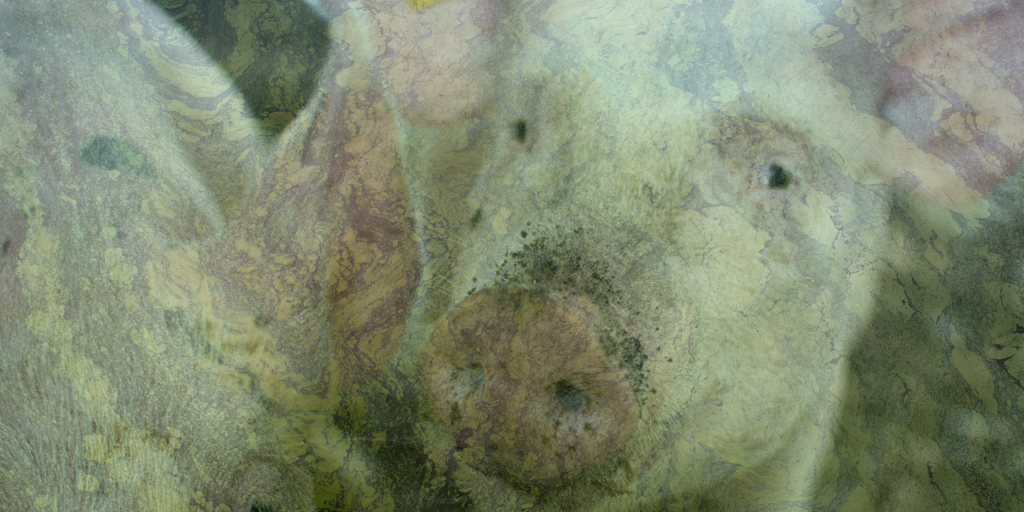
Europe is choking on nitrogen. Yet, we keep the tap open. Half of the nitrogen spread on EU fields comes from synthetic fertilisers, half is imported and the rest we produce with imported fossil gas. Europe has more animals than it can feed from its own land, so we import tonnes of animal feed (which contains nitrogen) to prop up an industrialised animal farming system. This system produces so much waste that many parts of Europe are – sometimes literally – swimming in animal manure.
All that excess nitrogen leaches into our environment, polluting our air and water while fueling the climate crisis and destroying nature. 40% of the nitrogen farmers apply to fields never reaches crops. Each year, nitrogen pollution costs us between €70 and €320bn – through our taxes, water, and healthcare bills. We are pumping so much reactive nitrogen into our environment that we’ve been beyond safe operating limits on the corresponding planetary boundary since the 1970s, which means a real risk of destabilising Earth’s life-support systems. We are in a major and growing nitrogen crisis.
Yet, true to the adage of “never waste a good crisis”, agrochemical and animal farming lobbies, and their political allies, loudly proclaimed a “fertiliser crisis” in the wake of the closure of the Strait of Hormuz, crying out for public cash while doubling their attacks on key EU laws designed to protect against their pollution.
Their primary target: the Nitrates Directive. This cornerstone of EU water protection legislation sets limits on nitrates in groundwater and on the amount of animal manure that can be spread in sensitive areas. It has been a longstanding grievance for industrial farming businesses in the most polluted regions of Europe, so it is no surprise that the same actors are using the surge in fertiliser prices to argue for weakening manure limits. What they’re not saying, is that these limits safeguard our drinking water resources and limit toxic air pollution, and only apply in nitrogen pollution hotspots – the very parts of Europe where the European Commission itself acknowledges the need to reduce animal numbers.
Another target is the Industrial Emissions Directive (IED) which aims to reduce pollution by requiring pig and poultry factory farms to obtain a permit and to apply technical measures to reduce their pollution. The IED does not address cattle and only applies to the largest 30%, hence most polluting, pig and poultry producers (where thousands of animals are crammed into buildings). Yet, agri lobbies have been shamelessly arguing that it burdens “small family farms”. Unfortunately, some politicians seem to be buying into this narrative and are championing major rollbacks.
These are just two examples, but similar arguments and tactics are being used to undermine swathes of EU laws, including its flagship Water Framework, Birds, and Habitats Directives. The common denominator? These laws inconvenience a minority of big, intensive, mostly animal farming businesses. Their playbook copies the worst corporate lobbying tactics: delay, deny, derail.
The reality, however, is that people don’t want their health, our precious natural heritage, and animal welfare to be sacrificed on the altar of corporate profits. So rather than destroying decades of evidence-based policymaking, it is time to address the structural threats to our food system: reduce our dependence on imported feed, fertilisers, and fossil gas; make farms more resilient to droughts, floods, and trade shocks; shield farmers and consumers from volatile energy and food prices; and make this fossil fuel crisis our last.
That means rebuilding healthy soils to boost natural productivity, integrating crop and extensive animal rearing for circular nutrient management, diversifying farms for greater resilience, restoring nature to provide a buffer against climate extremes, and supporting diets that rely less heavily on resource-intensive animal products. In short, it means accelerating the transition towards agroecological food systems that are more circular, resilient, and self-reliant.
Food is too important to get it wrong. Business-as-usual means leaving our food system at the mercy of fossil fuel markets, corporate greed, geopolitical instability, and climate breakdown. When crises hit and worsen every single year, the conclusion is clear: the industrial agriculture model of the last century has reached its limit. The sooner we accept and act on that, the better prepared we will be for the turbulent times ahead.
If you enjoyed this article, please consider buying the author a coffee.


Cover photo: Edited version of image captured by Mali Maeder on Pexels