



Dear Reader,
It’s Roi on the keyboard.
In this week’s edition, we look at COP31 and what’s at stake, explore what mining projects across Europe reveal about the state of our democracy, and ask why billions of euros in farming subsidies continue to benefit the biggest landowners – and what policymakers can do about it.
Enjoy the read, and if you do, consider buying us a coffee ☕ If you’d like to get in touch, we’d love to hear from you at newleaf@eeb.org.
⛏️ WHAT’S MINE IS (NOT) YOURS
Fire in the hole! Adding to a growing list of EU watchdog findings, the EU Ombudswoman has found maladministration in the Commission’s refusal to release key documents concerning the Jadar lithium mining project in Serbia. Despite being outside the EU, the project was granted Strategic Project status under the Critical Raw Materials Act in 2025, giving it priority treatment as a source of minerals for Europe.
Top secret (not really). The Commission argued that releasing the documents could harm the mining company’s commercial interests. The Ombudswoman disagreed, finding that the Commission had not adequately justified withholding them. Given the potentially significant environmental impacts of mining, the Commission should also be able to explain publicly how it intends to ensure those impacts are addressed.
All eyes on Finland. Just weeks after revelations that Google illegally felled around 250,000 trees for a data centre, Finland is back in the spotlight. This time, a proposed mining project threatens one of the country’s pristine wetlands – a biodiversity-rich habitat protected under the EU’s Habitats Directive.
While Romanians vote no. In a near-unanimous referendum, more than 98% of voters in Rășinari, Transylvania, rejected plans for a magnesium mine near their village. The vote follows a legal challenge by Mining Watch Romania, Greenpeace and Bankwatch, which argue that the project was wrongly classified as a quarry rather than a chemical plant – potentially avoiding a more rigorous environmental assessment. The result is a victory for the people of Rășinari and sends a powerful message about the importance of listening to local communities when decisions concern their land and resources.

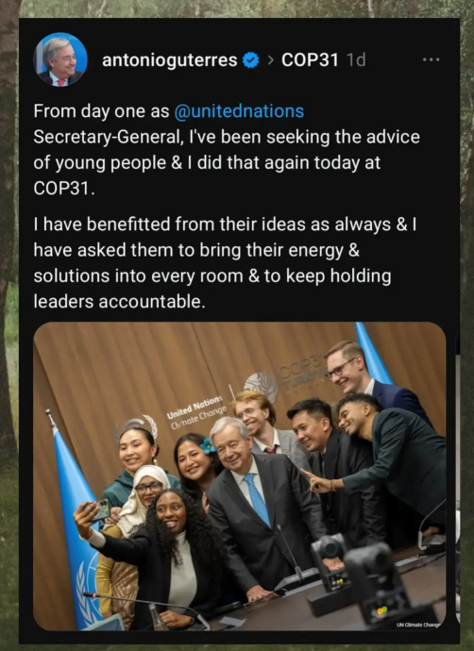
🌍 COP31: TIME TO KICK THE HABIT
COP(ing). Another year, another UN climate conference. As representatives from around the world gather in Antalya, Türkiye, the UN has (yet again) warned that the world is on course to exceed 1.5°C of warming in the coming years. Meanwhile, the World Meteorological Organisation reports that the past 12 years have been the warmest on record, with ocean heat and sea levels reaching new highs.
Calendar clash? After what Commission President Ursula von der Leyen dubbed the “summer of truth”, several major European leaders are notably absent from Antalya. Some have instead been attending an AI summit in Dublin. Priorities, anyone?
For the lobbyists in the room. UN chief António Guterres had some choice words for the fossil fuel industry: “Fossil fuels must go the way of the dinosaurs.” Unlike the dinosaurs, however, fossil fuels have a powerful lobby working to delay action. Guterres called out its familiar playbook: distorting science, delaying policies and avoiding accountability.
We’ve heard the speeches. From deadly floods in Nepal to scorching heatwaves and wildfires in Europe, the consequences of the climate crisis are increasingly difficult for most people to ignore. Meanwhile, wars in Ukraine and Iran have once again exposed, amogst others, the risks of dependence on volatile fossil fuel markets. Countries already agreed to transition away from fossil fuels back in 2023. But three years later, the question is no longer what needs to happen, but when governments will deliver.
Less talk, more action. Success in Antalya would mean building on the work begun in Brazil last year: making progress on climate finance for developing countries, advancing a just transition, and turning fossil fuel commitments into concrete plans. Accelerating electrification and renewable energy would also help countries reduce their exposure to geopolitical instability and energy insecurity.
Europe’s responsibility. “COP31 in Antalya has to be about delivery, not another round of promises. Europe has a particular responsibility to lead, but that leadership starts at home: you cannot call for global climate ambition while weakening climate policy domestically,” said EEB Deputy Secretary General Patrizia Heidegger, pointing to the Commission’s ongoing deregulation initiatives.
P.S. World leaders need a nudge! That’s why we’re supporting WeMove’s petition calling on governments to make polluters pay for climate disasters. Add your name to ours!
🚜 THE AGRI CORNER
Corporate CAPture. As negotiations on the next Common Agricultural Policy (CAP) get underway, EU taxpayers have every right to ask: why are billions of euros in public money still going to those who own the most land? CAP payments remain largely tied to acreage, meaning the biggest landowners receive the biggest cheques – sometimes even landowners outside Europe. But does owning more land necessarily mean delivering more public benefit?
We see you. Powerful agribusiness lobby groups claim to speak for Europe’s farmers. Yet too often, their priorities tell a different story. Investigations reveal how many of these groups defend a subsidy system that disproportionately benefits large landowners and industrial farming operations. Others have documented their efforts to undermine EU environmental and health protections that often aim to protect the farmers themselves. Meanwhile, many smaller farmers continue to struggle with rising costs, unstable incomes and an uncertain future. Whose interests are really being represented?
Real security means investing in resilience. If food security is the goal, public money should support what makes our food system resilient: healthy soils and ecosystems, fair incomes, decent working conditions and less dependence on fossil-fuel fertilisers and volatile commodity markets. As MEPs negotiate the next CAP, the choice is whether to keep rewarding land ownership or invest in farmers, rural communities and a food system that delivers for society. Here’s our vision.

📡 ON OUR RADAR
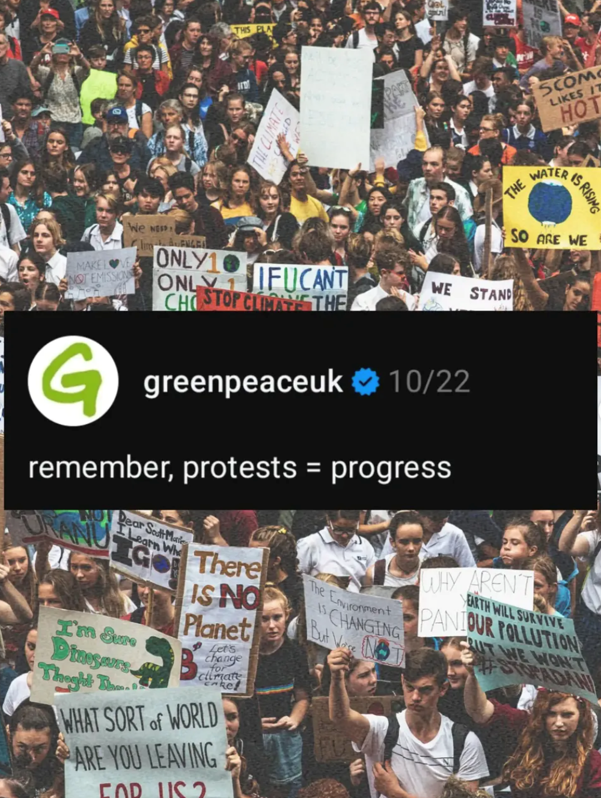
Spain stops. Thousands took to the streets on Wednesday as Spain saw its first general strike in 14 years, driven by soaring living costs and a deepening housing crisis. The protests follow the eviction of 89-year-old Maricarmen, whose rent had reportedly been doubled by an investment fund. She was hospitalised shortly afterwards and later died, sparking widespread outrage and renewed demands for affordable housing.In the polls. Europeans overwhelmingly oppose weakening pesticide protections, according to a new YouGov poll. Support for phasing out pesticides and opposition to unlimited approvals extend across the political spectrum, including among right-wing and far-right voters. The findings come as the Commission advances its Pesticides Omnibus, which could remove regular safety reassessments and allow potentially harmful substances to remain on the market for longer.
Mercury in the beauty aisle. A major new peer-reviewed study, co-authored by our EEB Mercury team and partners, reveals that mercury remains a serious threat in skin-lightening products despite international bans. Of 2,090 targeted samples collected across 31 countries, 66% contained mercury, and nearly half exceeded 1 part per million. The findings highlight the urgent need for stronger enforcement to keep these toxic products off the market. A huge congratulations to our colleagues and partners for bringing years of research together!
Another loophole for nitrate pollution? The Commission is consulting on plans to exempt certain forms of processed manure from key limits under the Nitrates Directive, potentially allowing more nitrogen to be spread in already polluted regions. Our EEB water team warns this could worsen water pollution and reinforce intensive livestock production instead of tackling pollution at source. The consultation closes on 13 November; make your voice heard!
Still ongoing. As the genocide against Palestinians in Gaza continues, its devastating consequences are being compounded by winter storms. With water and sewage infrastructure destroyed, heavy rains have flooded tens of thousands of tents, leaving displaced families even more vulnerable. Meanwhile, the EU’s trade relationship with Israel continues. This week, the grassroots initiative Justice for Palestine submitted a European Citizens’ Initiative to the Commission, calling for the suspension of the EU Israel Association Agreement. The EEB has called for the agreement to be suspended, with accountability for crimes and respect for international law. 🍉
By: Roi Gomez, with Christian Skrivervik and Ben Snelson. Editor: Christian Skrivervik
🧠✨ DOPAMINE HIT
As ever, here are a few happy updates to get your weekend off to a perky start:
- Why the Blue Wave Brings New Hope for Clean Energy Read more here
- People Around the World Help Buy Royal Estate for Wildlife Conservation. Read more here
- Brazil Expands Protected Area for ‘One of the Richest and Most Sensitive Biomes on the Planet. Read more here
- Venomous Primate Believed Extinct was Hiding in Plain Sight All Along.Read more here
🧚 THE JOB FAIRY
- Center for AI Security (CeSIA) is looking for an EU Policy Officer
- International Committee of the Red Cross is looking for an EU Policy Associate
- International Organization for Migration is looking for a Senior Partnerships Officer
- International Association of Public Transport is looking for a Head of the Mobility Governance Unit and Manager of the Authorities Division, Authorities Committee and Paratransit Forum
☕ BUY US A COFFEE
From dirty lobbies to smear campaigns, billionaire bullies to climate collapse, we face a lot. Support our work, one coffee at a time.
📢 ORGANISE
If you are not involved, get involved. Find a member organisation near you.
🚀 FOLLOW US
Don’t stay delulu, deal with the pollulu 🍃✨ Stay connected with us on LinkedIn, Bluesky, TikTok, Instagram, and YouTube. Don’t miss out!
Are you a journalist? Subscribe here to stay up to date on our latest European environmental policy updates made specifically for you!
We have opened a new mailbox for your tips and tales from the ground. Got something you think we should feature? Reach out to us at newleaf@eeb.org.
✨ SIGN UP
Stay informed. Subscribe to our Newsletter by email for the latest EU green insider updates every Friday morning and to support our work. By subscribing, you also get early access to our in-depth analysis of key EU environmental policy.