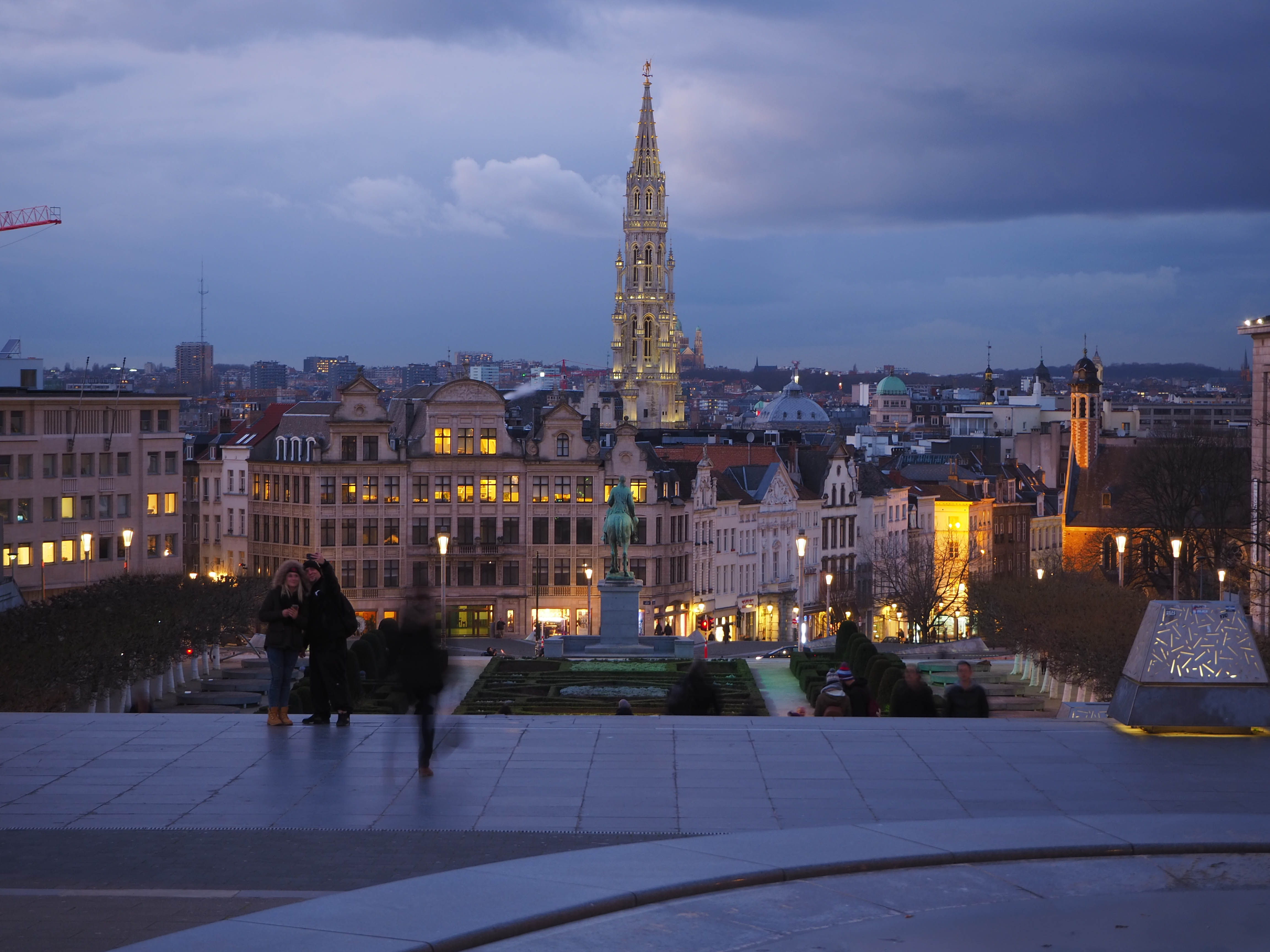
🌞 This week in Belgium, we’ve been treated to some truly glorious spring weather.
For me, those long-awaited rays of sunshine always restore a bit of perspective – and rekindle a sense of hope that can sometimes feel in short supply. I hope you’ve also had the chance to enjoy a touch of springtime warmth wherever you’re reading from.
Tuesday marked four years since Russia’s illegal invasion of Ukraine. On this solemn anniversary, we renew our message of solidarity with our Ukrainian members, and with all Ukrainians enduring the profound human, social, and environmental consequences of this war. Their courage renews our determination to fight for a better future for all.
In this edition, we also explore why climate action is the worlds best and cheapest insurance policy, why meat producers get 580 times more subsidies than legumes, the growing evidence of dirty lobbying in Brussels, and why Europe needs to start thinking circular.
🎈 Oh, and we also marked another loop around the Sun for our very own Alberto Vela – happy birthday! (Never mind his age!)
☕ Enjoy the read – and if you do, consider buying us a coffee. As ever, if there’s anything you’d like to comment on, get in touch – we’d love to hear from you!
📬 Join us on our new Substack for longer, deeper New Leaf reflections, where institutional memory meets present-day reality.
🌍 THE CLIMATE PREMIUM: PAY A LITTLE NOW OR A LOT LATER
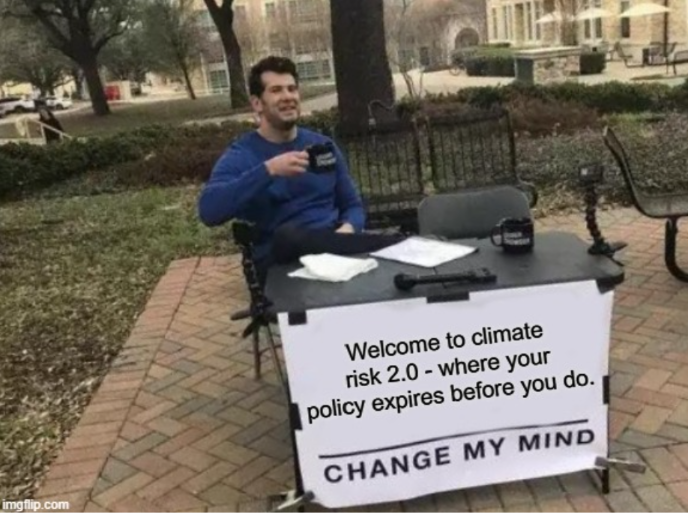
The risk report – Climate action is not a luxury line in the budget. It is collective insurance. A new study from the Vienna University of Economics and Business argues that as climate disasters multiply, public climate spending functions like a risk-pooling system that protects economies and societies.
The numbers are stark – Between 1980 and 2021, extreme weather caused more than €560 billion in EU losses, with only 25-33% insured. By 2050, production losses could exceed €5 trillion, and at 3°C of warming, EU GDP could shrink by around 10%. Climate damage is no longer a distant environmental cost. It is showing up in hospital admissions, lost work hours, damaged infrastructure and overstretched public budgets.
The study warns of a growing “climate protection gap”, where governments increasingly act as insurers of last resort as private insurers retreat from high-risk regions. Unchecked warming could destabilise insurance markets and hardwire climate damage into public finances.
The economic case for action is clear – Investing just 1-2% of global GDP in mitigation and adaptation could avert losses of 11-27%, with early adaptation reducing total losses by up to 70%. Delay would drive annual costs into the hundreds of billions and put millions of EU jobs at risk.
Some countries are beginning to respond – Portugal, recently hit by several deadly storms and severe flooding, is strengthening its electricity grid to withstand wildfires and extreme weather. Meanwhile, the EU’s climate advisory board has warned that Member States are far from prepared for worsening climate impacts, which already claim up to 80,000 lives and cost €400 billion annually.
The message is blunt – climate policy is not discretionary spending but a safeguard for Europe’s prosperity, stability and security.
♻️ 🚗 EUROPE’S CIRCULAR ECONOMY: MORE THAN JUST RECYCLING
Precious resources driving away – While Europe worries about securing critical raw materials, essential metals quietly leave its shores. Just kilometres from the EU Parliament and Commission, used cars are bought and shipped overseas. These aren’t just old vehicles but stockpiles of steel, aluminium, copper, and metals vital for the green energy transition. Instead of circulating in Europe’s economy, these materials disappear abroad.
Circular design rules – Europe has a major chance to reduce virgin material demand, boost resource efficiency, and cut greenhouse gas emissions, as highlighted by the latest European Environment Agency report. The construction sector holds huge climate-mitigation potential due to its large material footprint.
But it’s more than recycling or waste management. The real gains come from designing products to last, making them repairable, and prioritising reuse – key strategies often overlooked but essential to cutting material demand and emissions at the source.
New rules, same challenges – This week, the EU Parliament’s IMCO and ENVI committees backed a new regulation on vehicle design and end-of-life management. Its progress toward a more circular automotive sector falls short. The December deal doesn’t do enough to reduce vehicle numbers or size, lacks full focus on durability and reuse, and leaves loopholes in producer accountability for cars exported outside the EU.
Europe can lead the circular economy, but only with rules that keep materials in the loop – not shipping them away.
🥩🔥 AGRICULTURE: HAMMING UP EUROPE’S FARM SPENDING
An industry skewered towards meat – In 2020, beef and lamb received 580 times more EU farm money than legumes like lentils and beans. Dairy got 554 times more than nuts and seeds, and meat and dairy together pulled in over 10 times more than fruit and vegetables. Overall, 77% of CAP funding (€39 billion) went to high-emitting animal foods, consuming nearly a quarter of the EU’s total budget. Meanwhile, plant-based foods – key for health, animal welfare, and ecosystems – are barely getting a slice of the pie.
It doesn’t have to be this way – Shifting subsidies to support plant-rich diets could slash agricultural emissions by 61%, cut EU fertiliser use by a quarter, reduce food imports, boost farm incomes, prevent tens of thousands of pollution-related deaths, and even lower cancer rates by up to 39%. Beyond health, it would relieve pressure on animals, restore habitats, and support biodiversity.
Reward farmers who grow plants for human consumption – EU policymakers could turn this around by rewarding farmers who grow plant-based foods for direct human consumption, and by promoting plant-based wholefoods and alternative proteins. Livestock subsidies could be tied to sustainable stocking densities (not cramming animals into cages), while public money could stop going to marketing meat and dairy.
Supporting a just transition for farmers, investing in nature restoration like peatlands and wild grasslands, and launching a dedicated EU Action Plan for Plant-Based Foods – including sustainable school meals, production support, and updated dietary guidelines – could finally align the EU’s farm funding with what people, animals, and the planet actually need.
The message is clear – EU farm money can support our health, safeguard animals, and restore nature – all while ensuring nutritious diets and a sustainable, plant-rich food system.
🐖 🤗 ANIMAL WELFARE: SPEAKING OF CONFINING CAGES TO HISTORY
A new dawn for animal welfare breaking? Beyond health and the environment, there’s a huge animal welfare story here too. In just one week, the Court of Justice of the European Union will hold the long-awaited oral hearing in the landmark ‘End the Cage Age’ case.
This is about holding the EU Commission accountable for its promise to phase out cages for millions of farmed animals – and to ensure that the voices of 1.4 million Europeans who signed that European Citizens’ Initiative are heard. The stakes couldn’t be higher: for animals, for citizens, for the future of Europe’s food system and the stability of EU democracy.
🗞️ IN OTHER NEWS
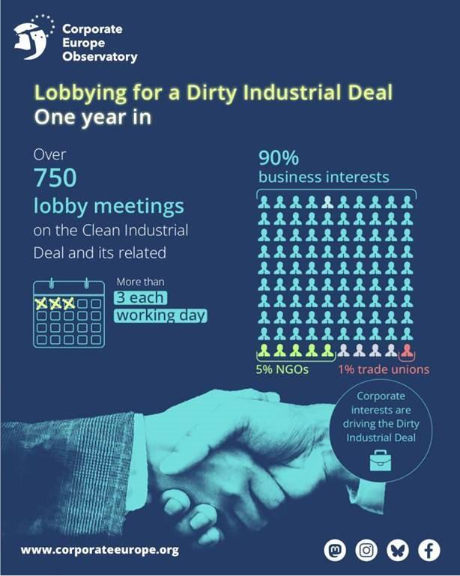
DIRTY LOBBYING – The first year of the EU’s Clean Industrial Deal has faced criticism for being heavily shaped by corporate lobbying. Analysis by EEB member Corporate Europe Observatory shows that EU officials held hundreds of meetings with industry representatives – over 90% from business groups – while civil society voices were largely sidelined. This influence has watered down key environmental and worker protections, favoured polluting sectors, and risks undermining both climate ambition and democratic decision-making, raising questions about whether the Deal serves the public interest or corporate profit.
COMMUNITY LAND TRUSTS COULD BE THE LIFELINE WE NEED! Europe’s energy‑inefficient buildings leave millions in cold, costly homes, hitting low‑income households hardest. Renovation is vital, but many current schemes risk displacement and “green gentrification.” Community Land Trusts (CLTs) offer a solution by keeping land in community hands, making homes affordable while enabling deep energy retro-fits. Pilot projects in cities like Brussels, Ghent, and Cork show how CLTs can upgrade housing without speculation or eviction. Directing public renovation funds through CLTs ensures lasting social and environmental benefits, combining climate action with truly affordable housing.
EUROPE’S PFAS CRISIS: TIME FOR ACTION! Join us Thursday 5 March for a high-level EU policy event with testimonies and participation from MEPs, Mark Ruffalo, Robert Bilott, and frontline communities, featuring excerpts from How to Poison a Planet and PFAS: Our Forever Poisons. Hear from scientists, lawyers, and NGOs on justice, accountability, and urgent action. Register now.
🧠✨ DOPAMINE HIT
As ever, here are a few happy updates to get your weekend off to a perky start:
- EU Court upholds the polluter pays principle and dismisses industry challenges to the Extended Producer Responsibility rules. Read more here
- In an open letter, famous actors stand against silence on Gaza. Read more here
- The “My Voice, My Choice” campaign achieved a historic win for women’s rights this week. Read more here
- The EU just banned brands from destroying unsold clothes. Read more here
- UK high court delivers human rights win. Read more here
- Indigenous communities have won a decisive victory for the Amazon. Read more here
☕ BUY US A COFFEE
From dirty lobbies to smear campaigns, billionaire bullies to climate collapse, we face a lot. Support our work, one coffee at a time.
📢 ORGANISE
If you are not involved, get involved. Find a member organisation near you.
🚀 FOLLOW US
Don’t stay delulu, deal with the pollulu 🍃✨ Stay connected with us on LinkedIn, Bluesky, TikTok, Instagram, and YouTube. Don’t miss out!
Are you a journalist? Subscribe here to stay up to date on our latest European environmental policy updates made specifically for you!
We have opened a new mailbox for your tips and tales from the ground. Got something you think we should feature? Reach out to us at newleaf@eeb.org.
✨ SIGN UP
Stay informed. Subscribe to our Newsletter by email for the latest EU green insider updates every Friday morning and to support our work. By subscribing, you also get early access to our in-depth analysis of key EU environmental policy.
By: Ben Snelson. Special thanks to the EEB’s editorial team: Roi Gomez, Alberto Vela and Ruby Silk. Editor: Christian Skrivervik.