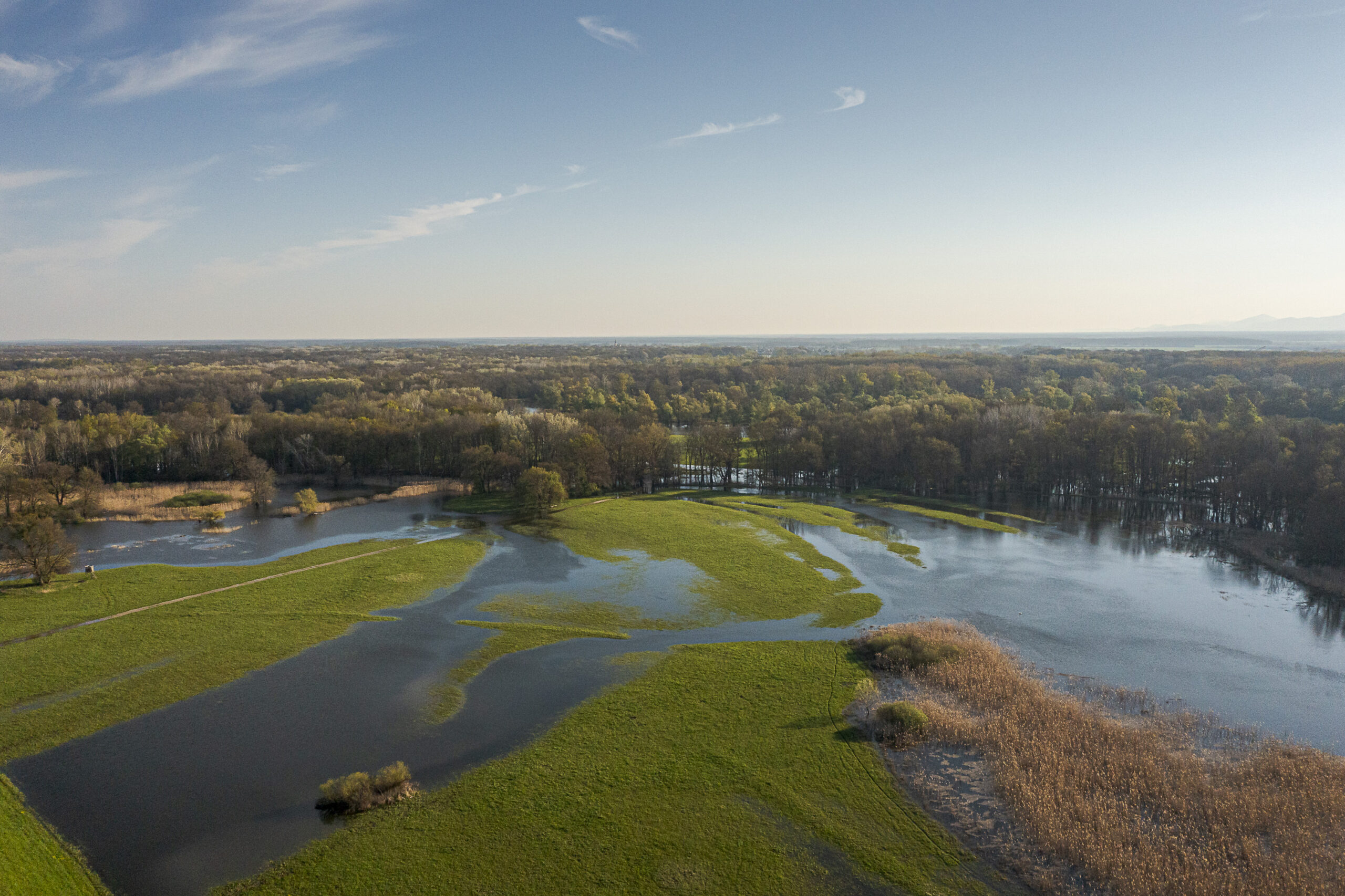
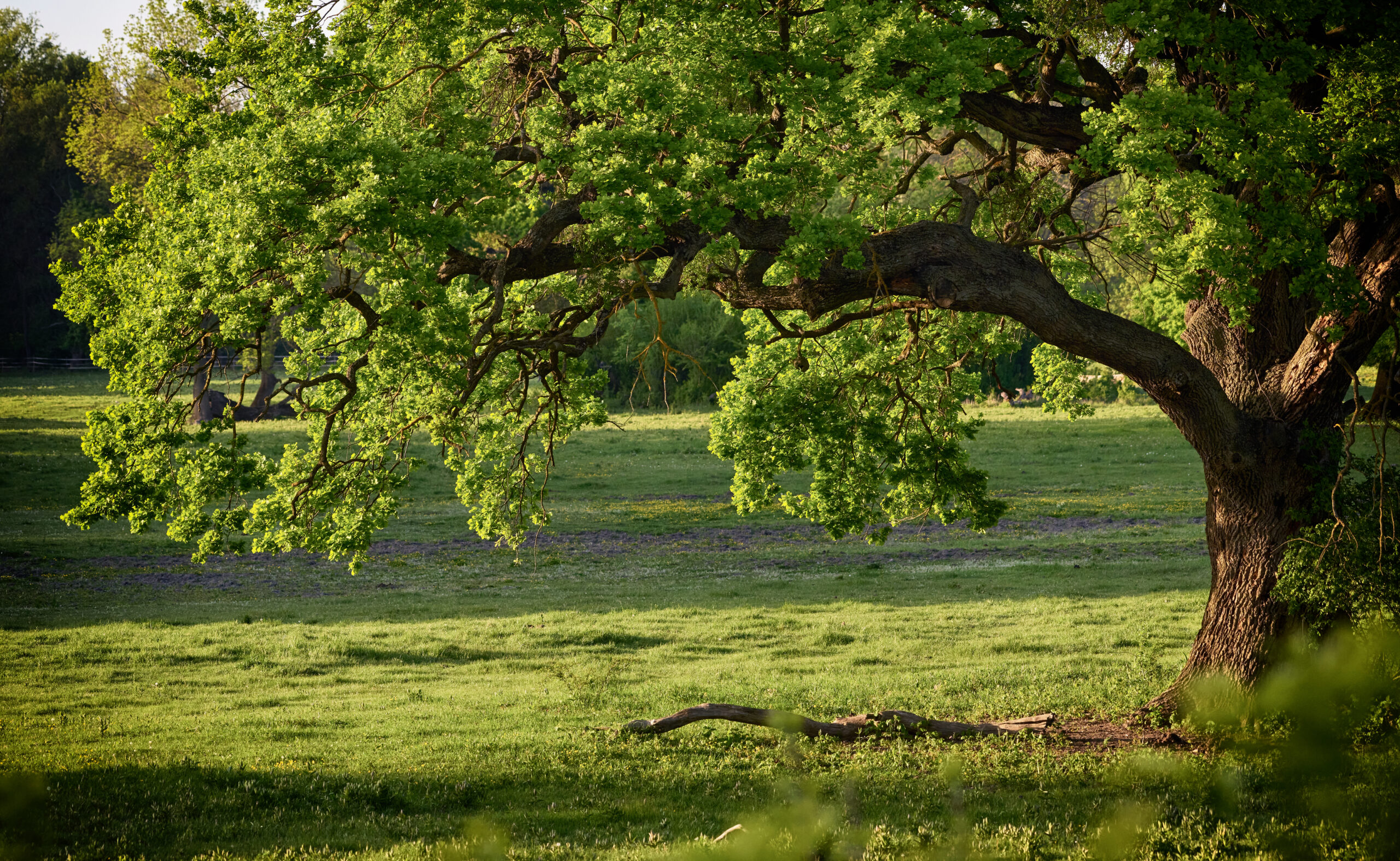
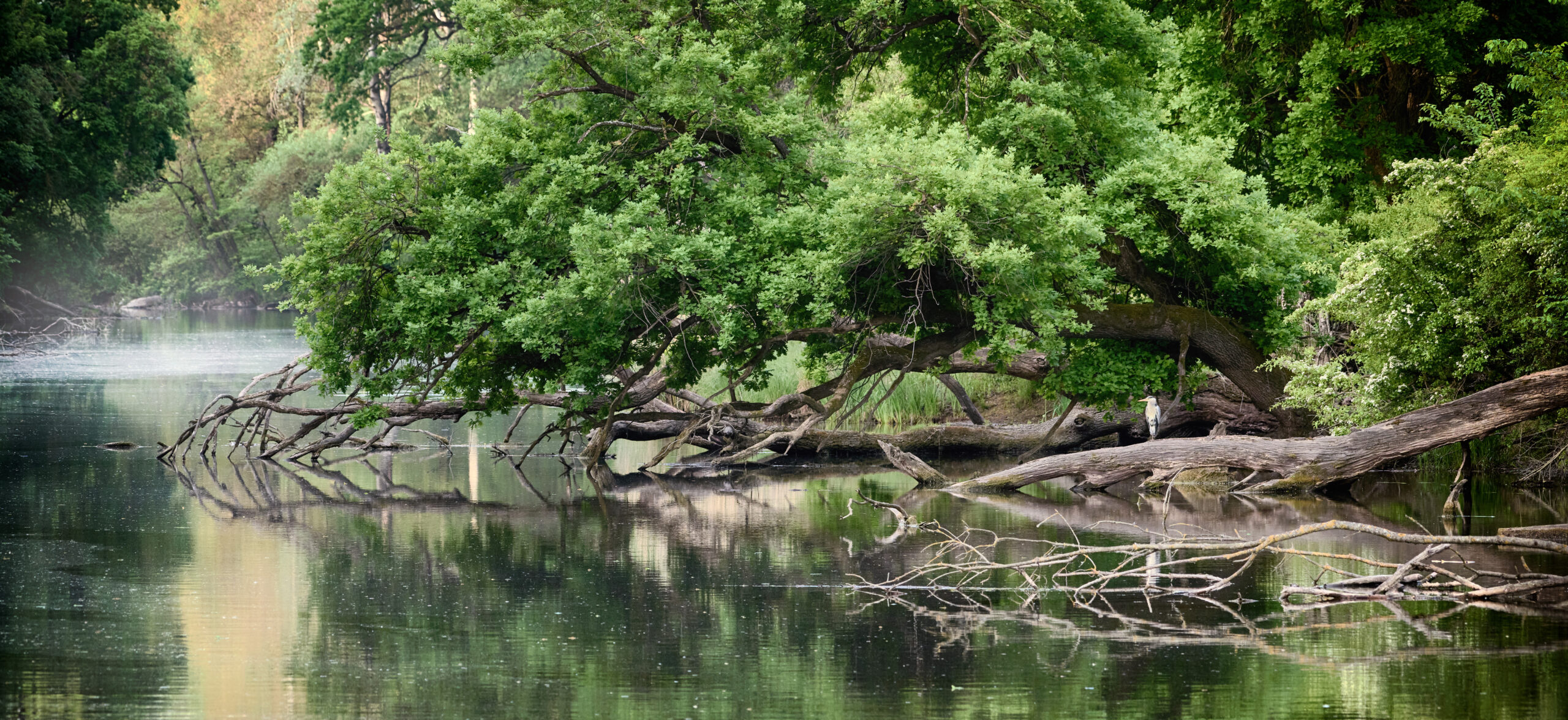
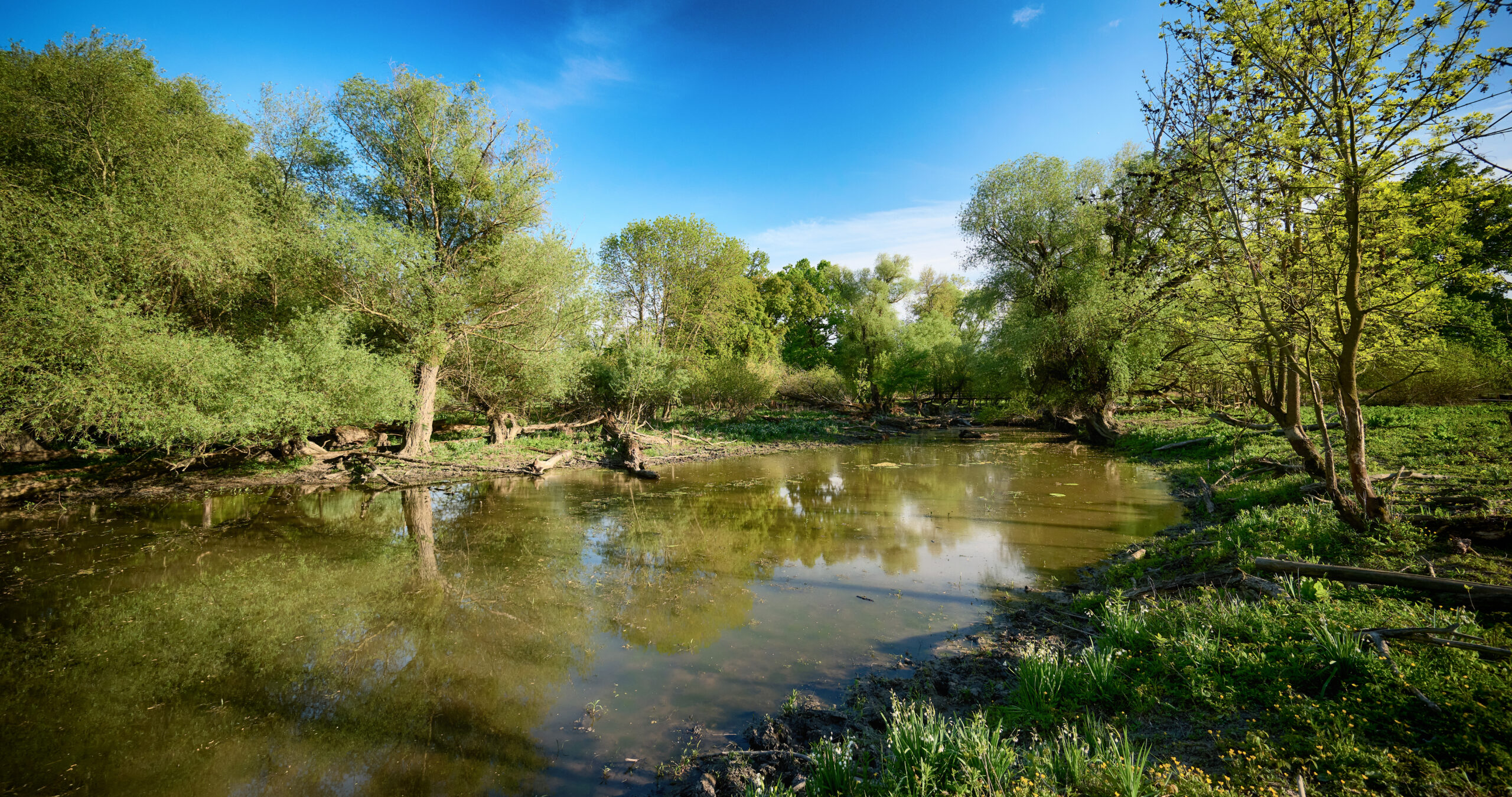
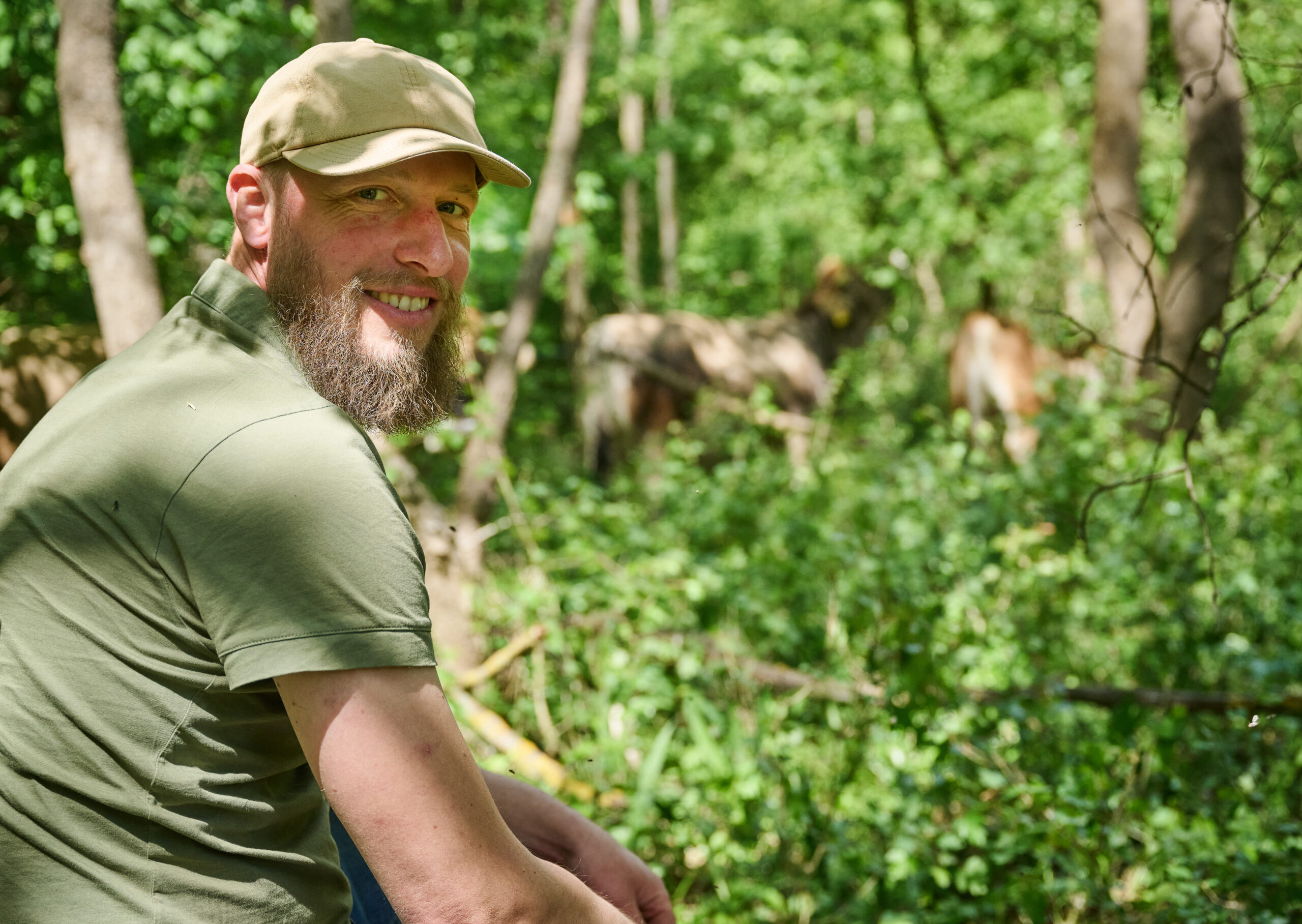
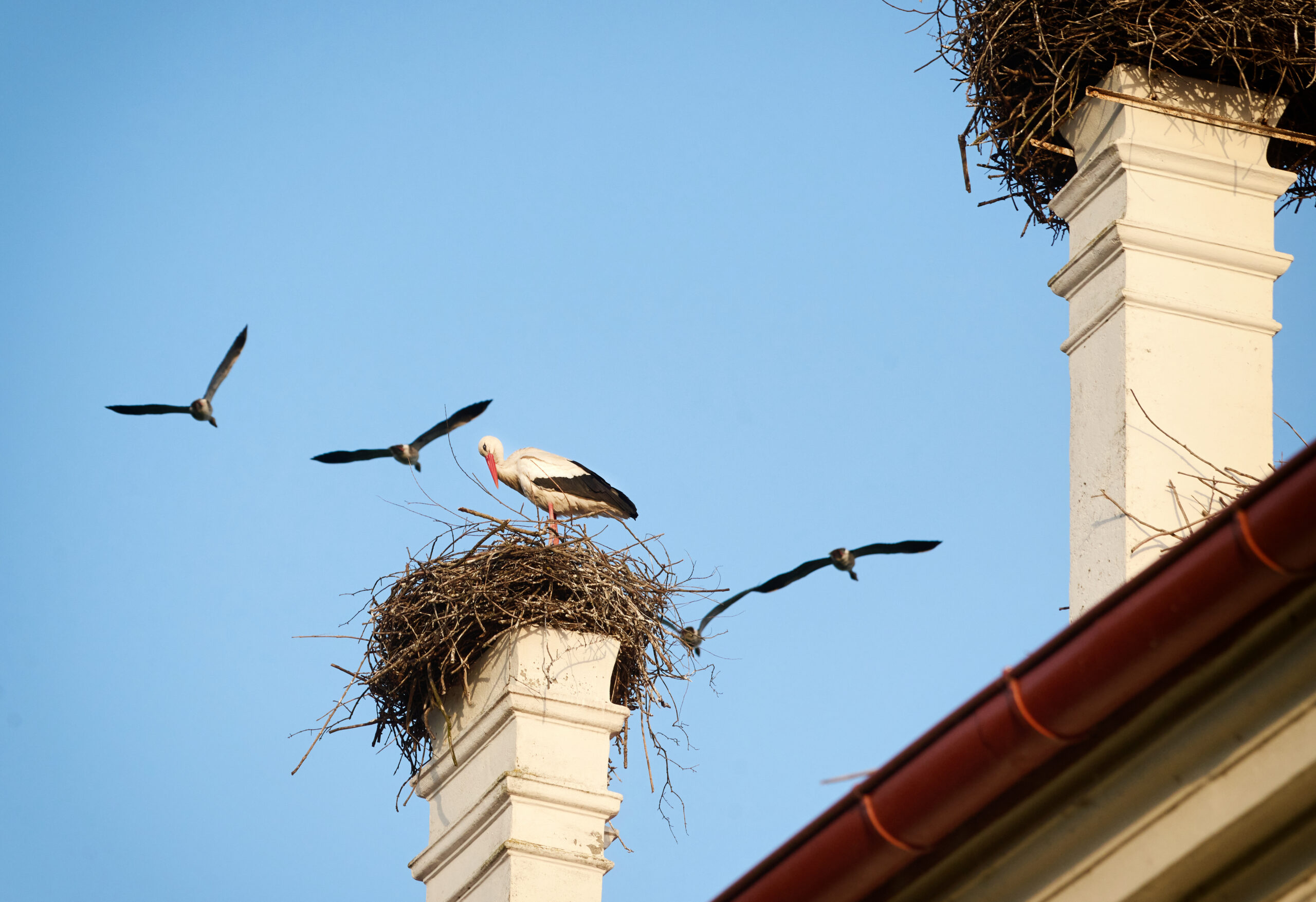
Covering more than 1,100 hectares, the reserve is one of Austria’s most valuable conservation areas. Ancient floodplain forests of willow, poplar, oak, elm, and ash cover two-thirds of the site, while a third is made up of wetlands, swamps, and species-rich meadows. Subtle variations in elevation, soils, and flooding patterns create a rich mosaic of habitats that support exceptional biodiversity.
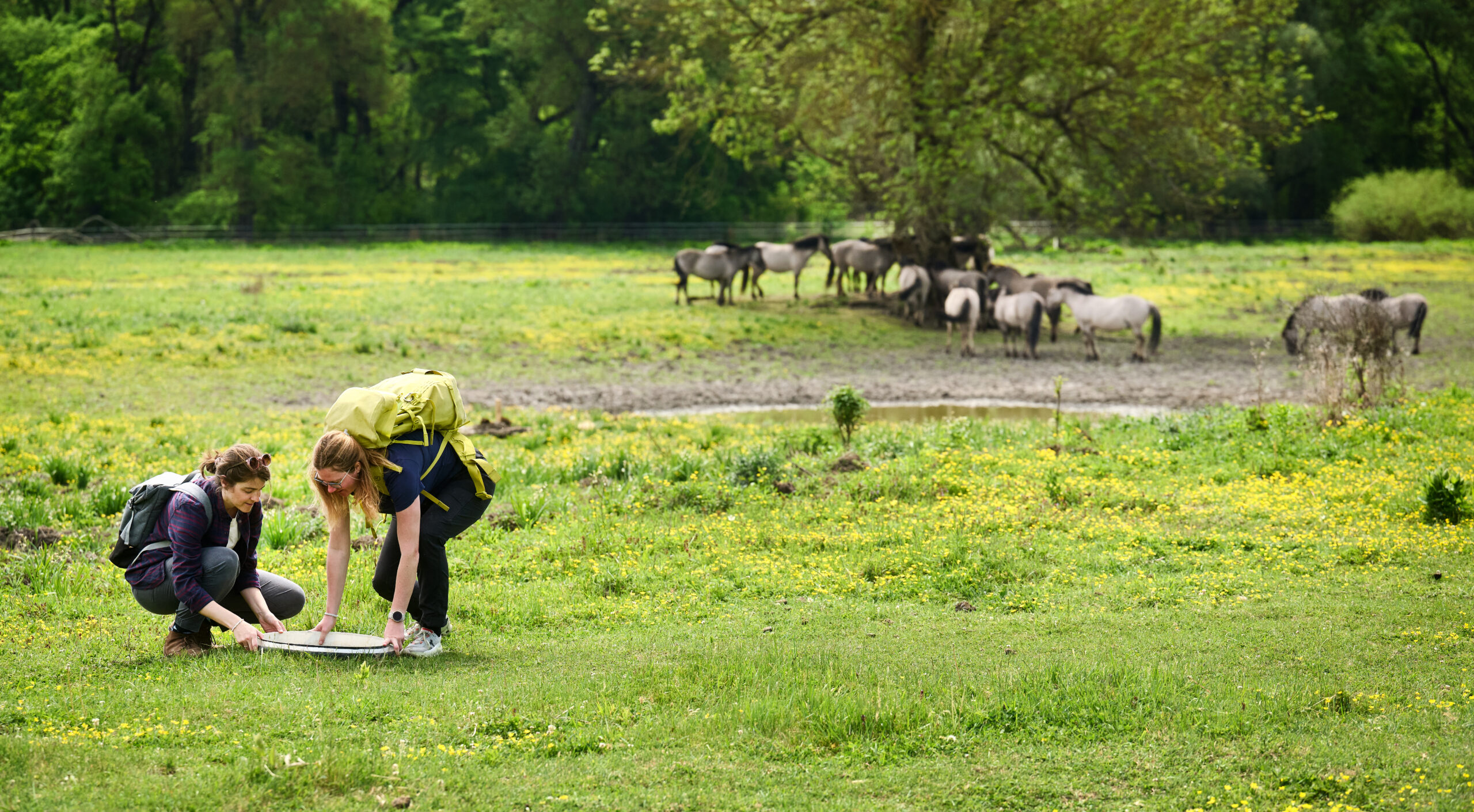
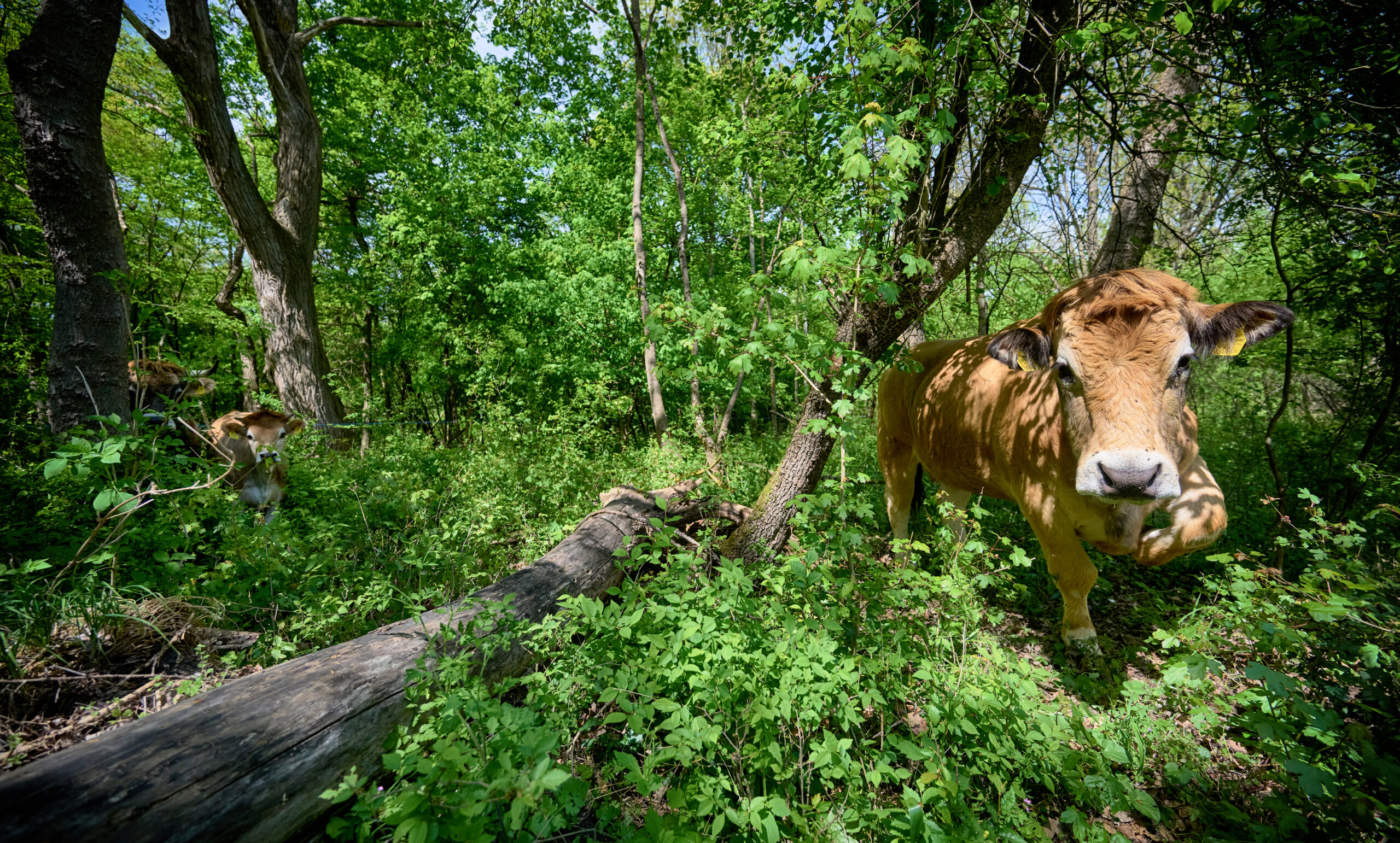
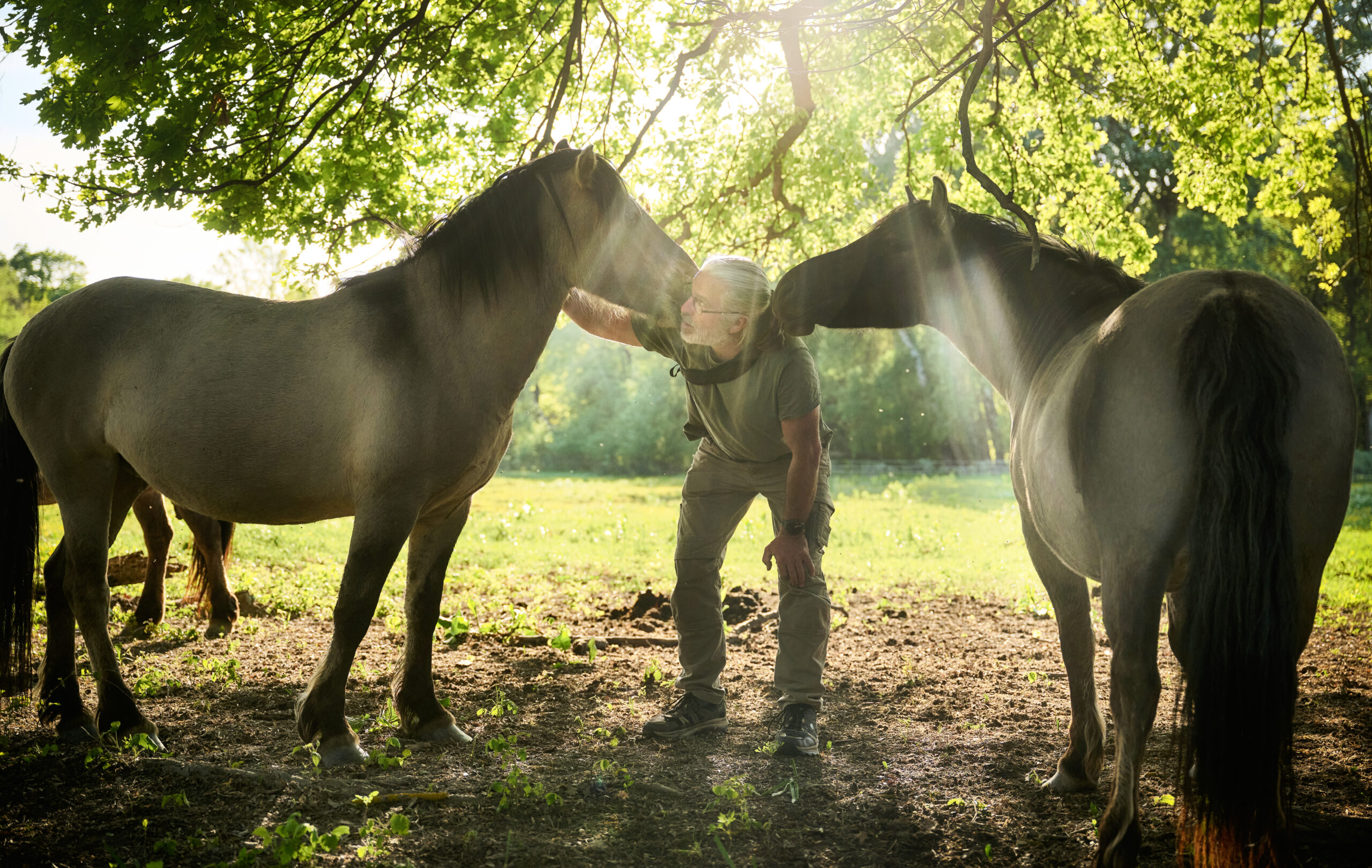
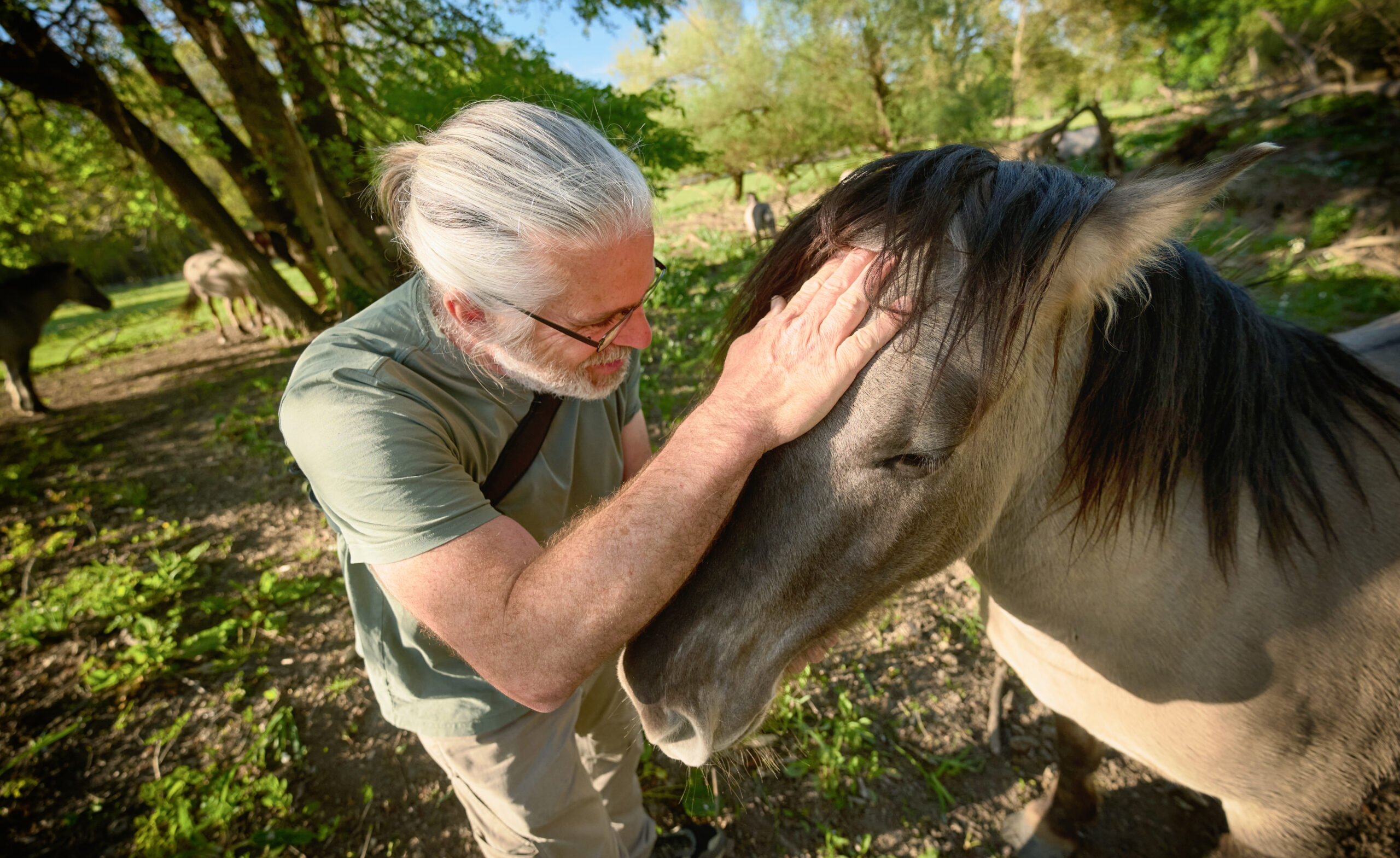
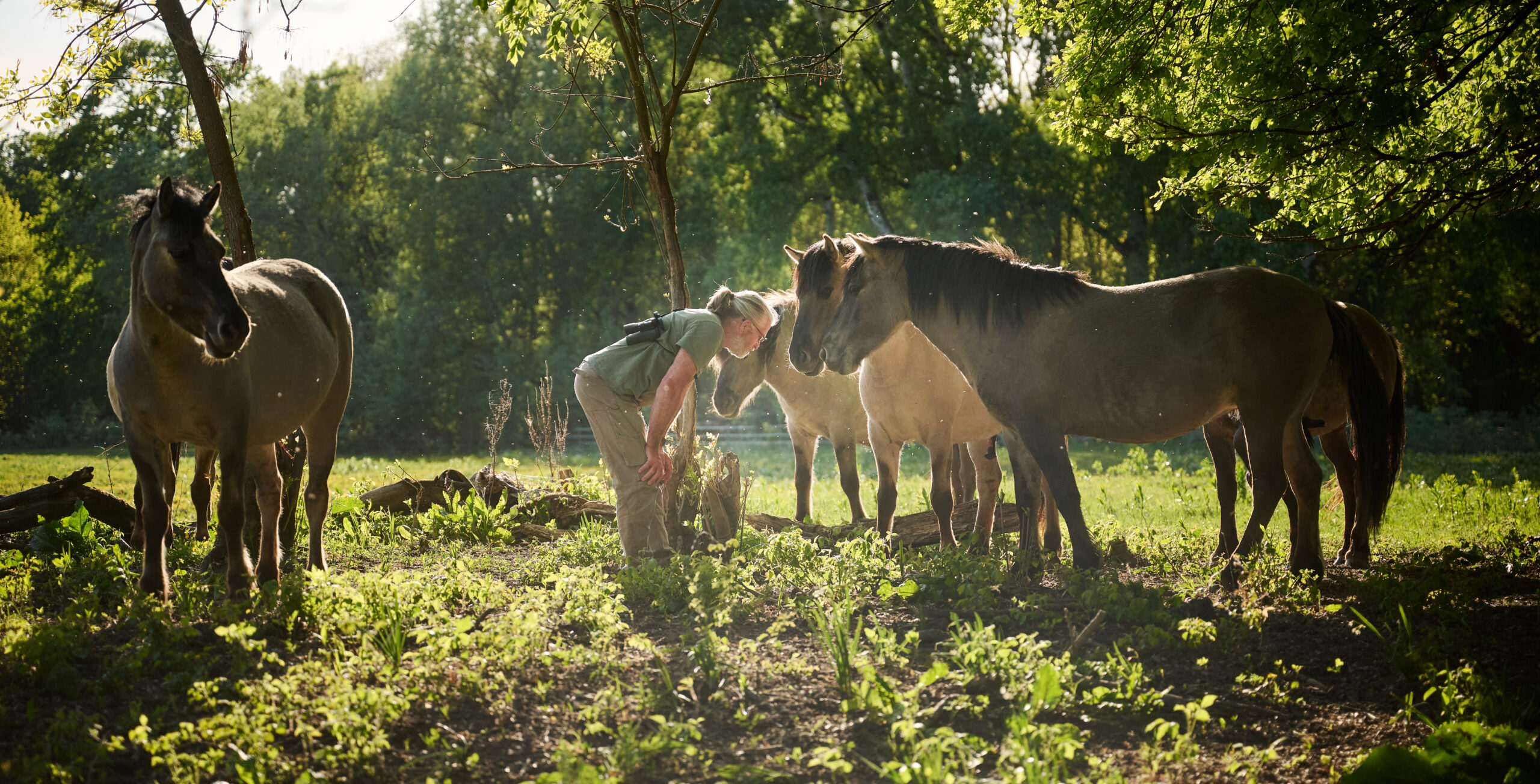
More than a decade ago, WWF Austria reintroduced semi-wild horses and grazing cattle to restore the natural processes that once shaped this landscape. As ecosystem engineers, these animals graze, trample, and fertilise the land, creating a diverse patchwork of habitats for plants, fungi, insects, birds, and other wildlife. Unlike conventional livestock, the horses remain in the reserve year-round and forage naturally throughout the winter, feeding not only on grasses but also on shrubs, branches, and tree bark.
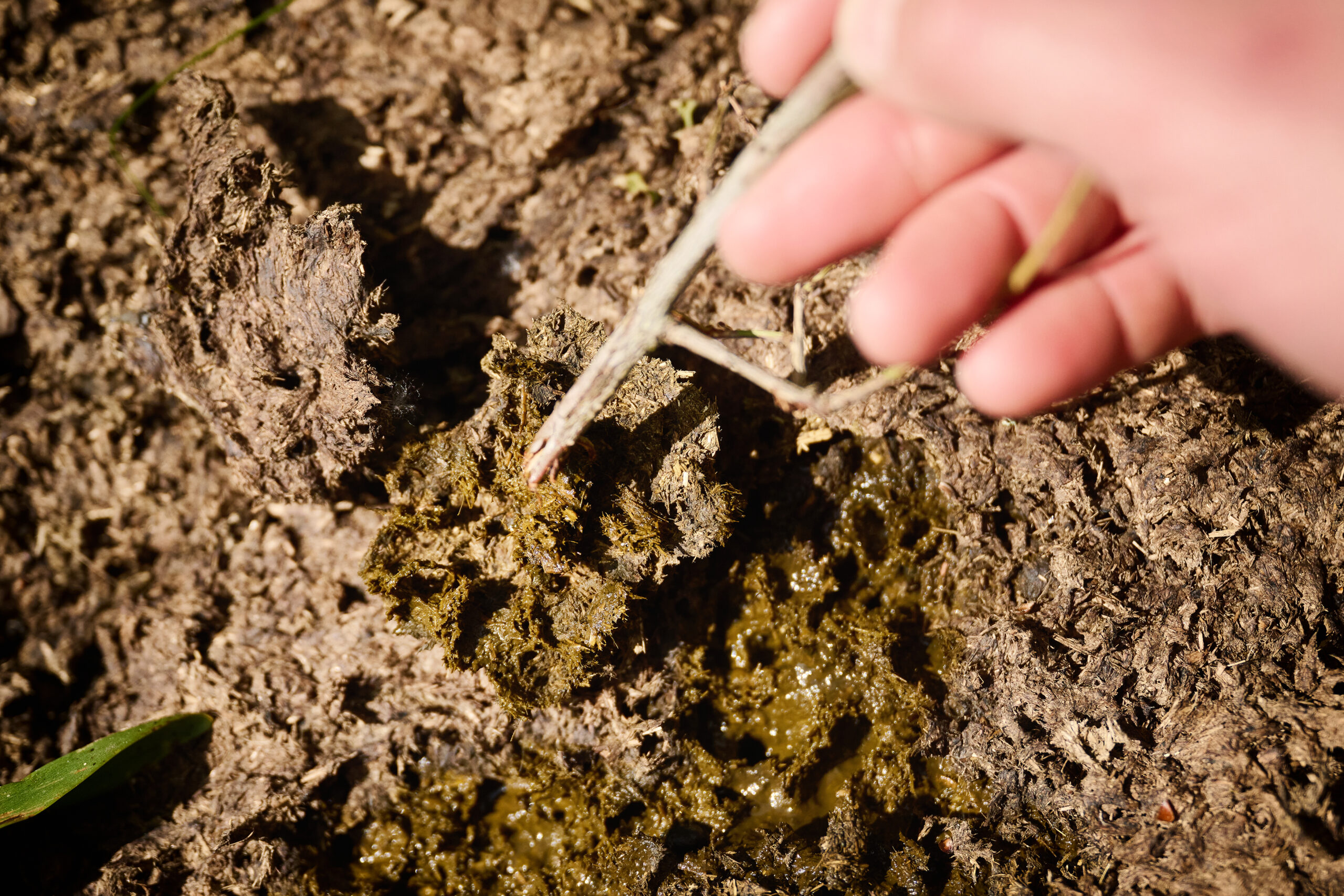
Their presence has triggered a cascade of natural changes across the landscape. The results have been remarkable. After an absence of nearly a century from the area, large grazers have helped restore ecological dynamics that were once lost. Monitoring shows a significant increase in biodiversity in the reserve. That includes the return and recovery of rare and specialised species such as dung beetles, which have become increasingly scarce elsewhere in Austria.
Today, the horses and cattle are an integral part of WWF’s restoration strategy, helping to maintain a landscape driven by natural processes. The Untere Marchauen Nature Reserve stands as a powerful example of how people can work with nature to bring back biodiversity and safeguard Europe’s natural heritage for future generations.

Marchauen Nature Reserve, Austria
-
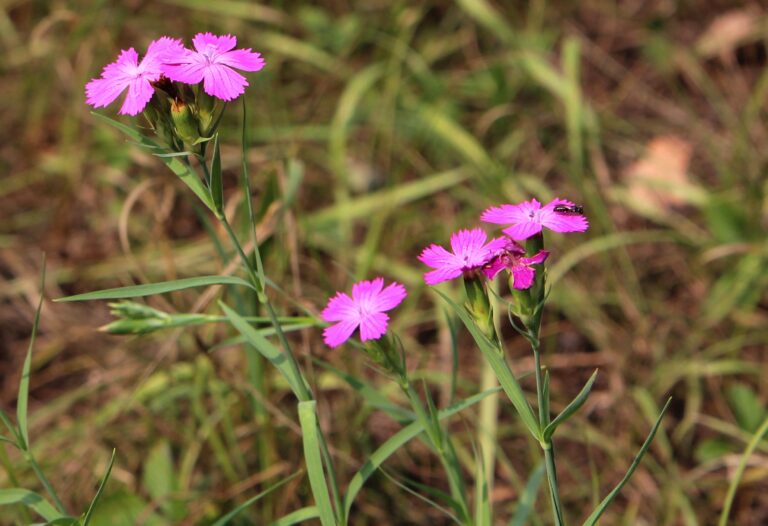
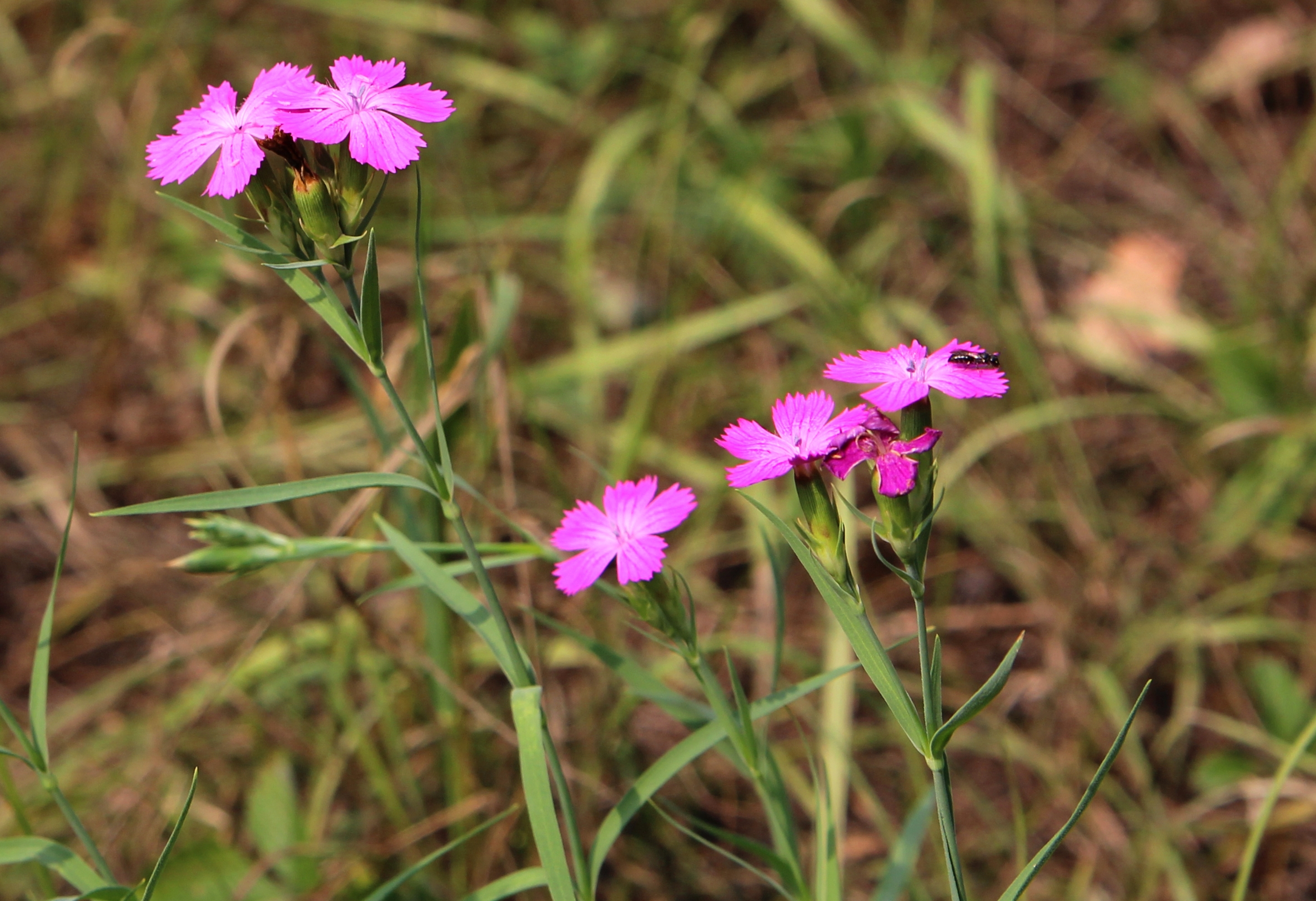
Dianthus collinus Hügelnelke (c) WWF Stelzhammer -
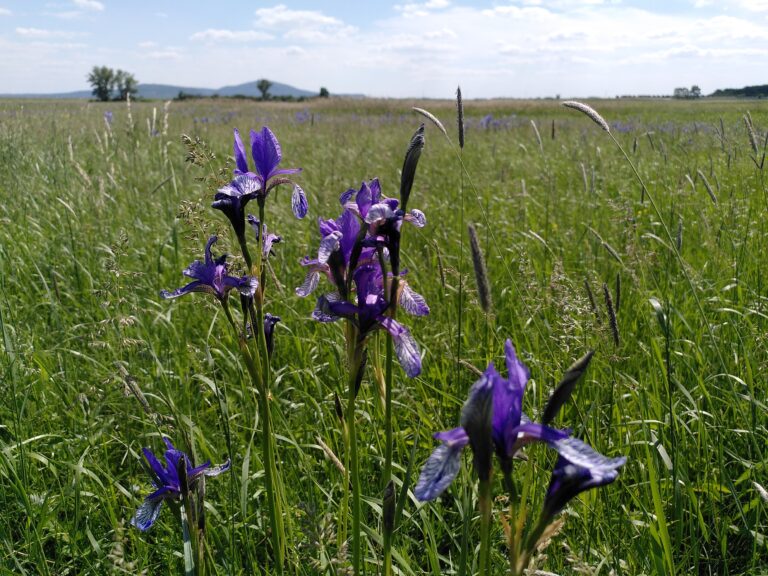
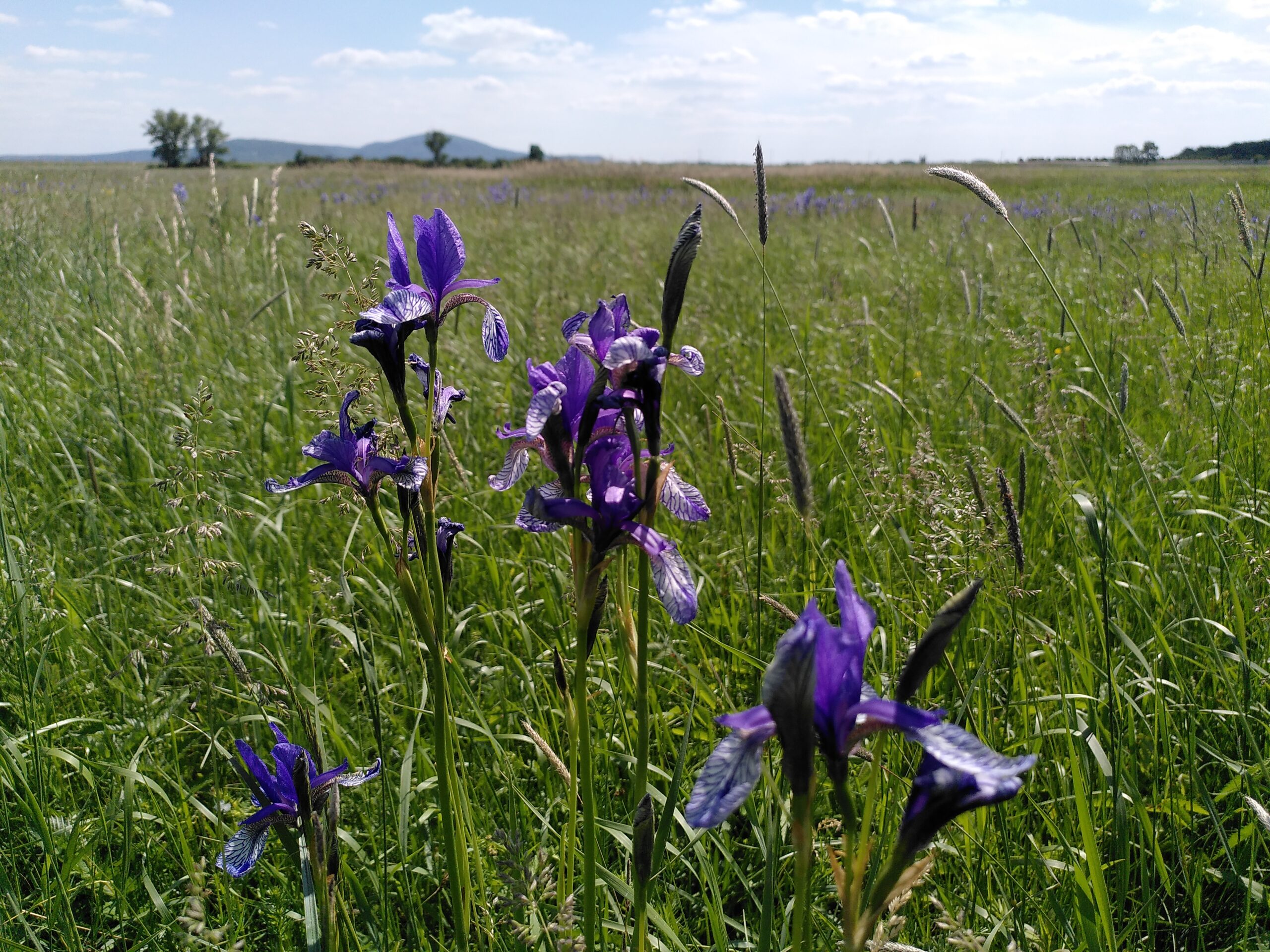
Iris sibirica (c) Michael Stelzhammer -
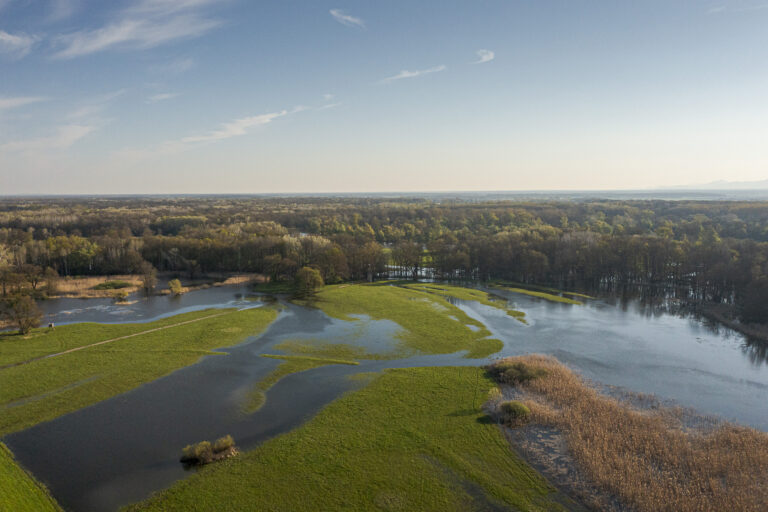
The landscape (c) Gerhard-Egger -
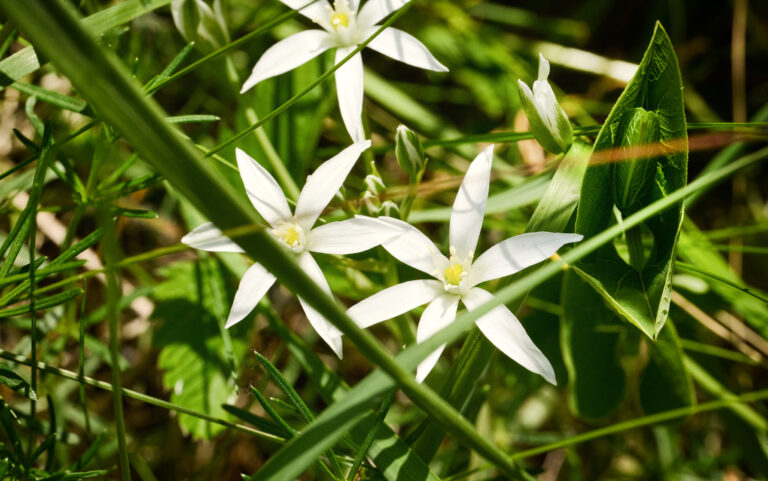
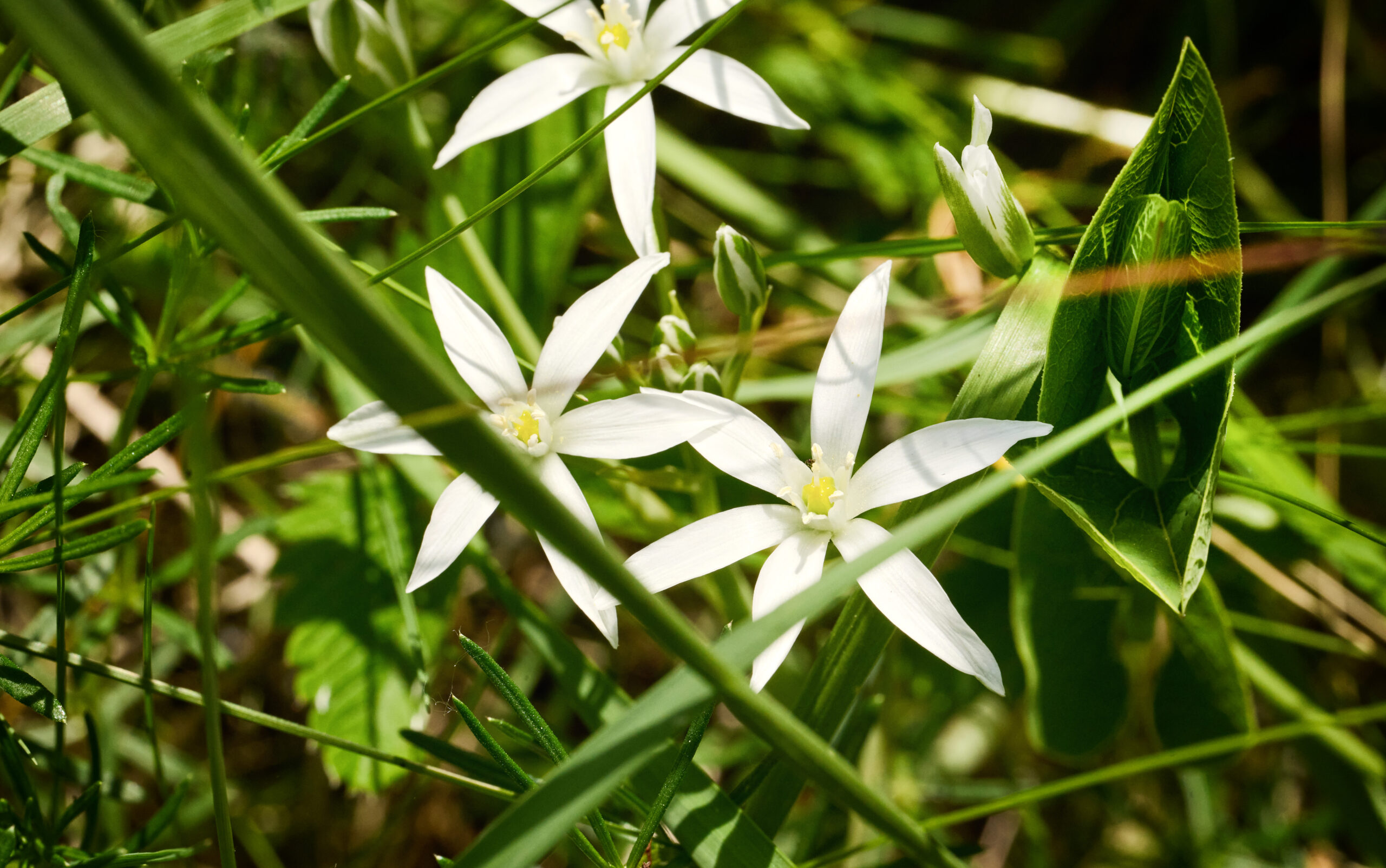
Ornithogalum umbellatum -
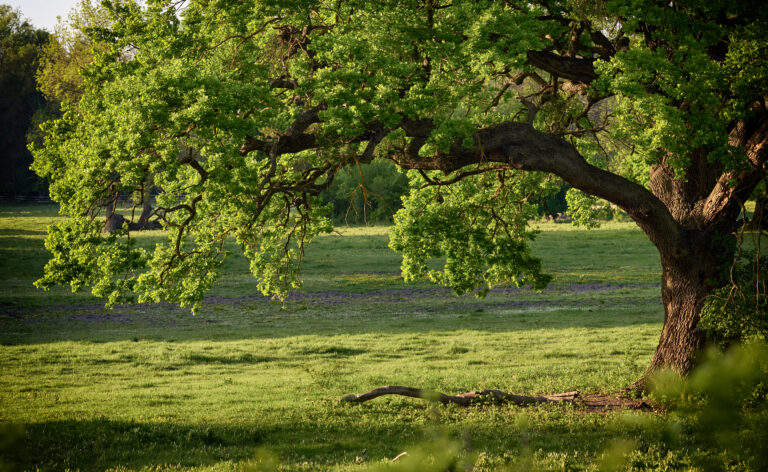
The landscape -
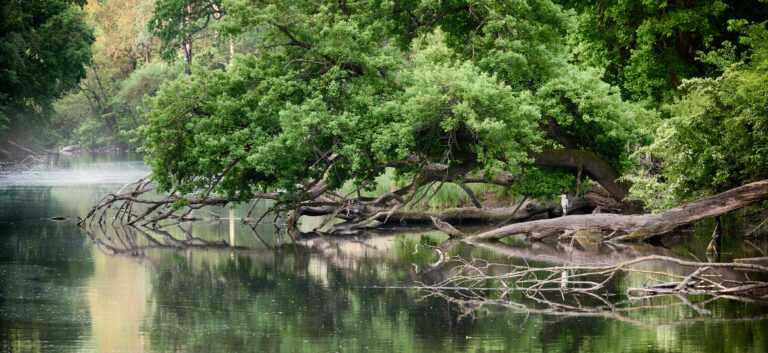
Heron -
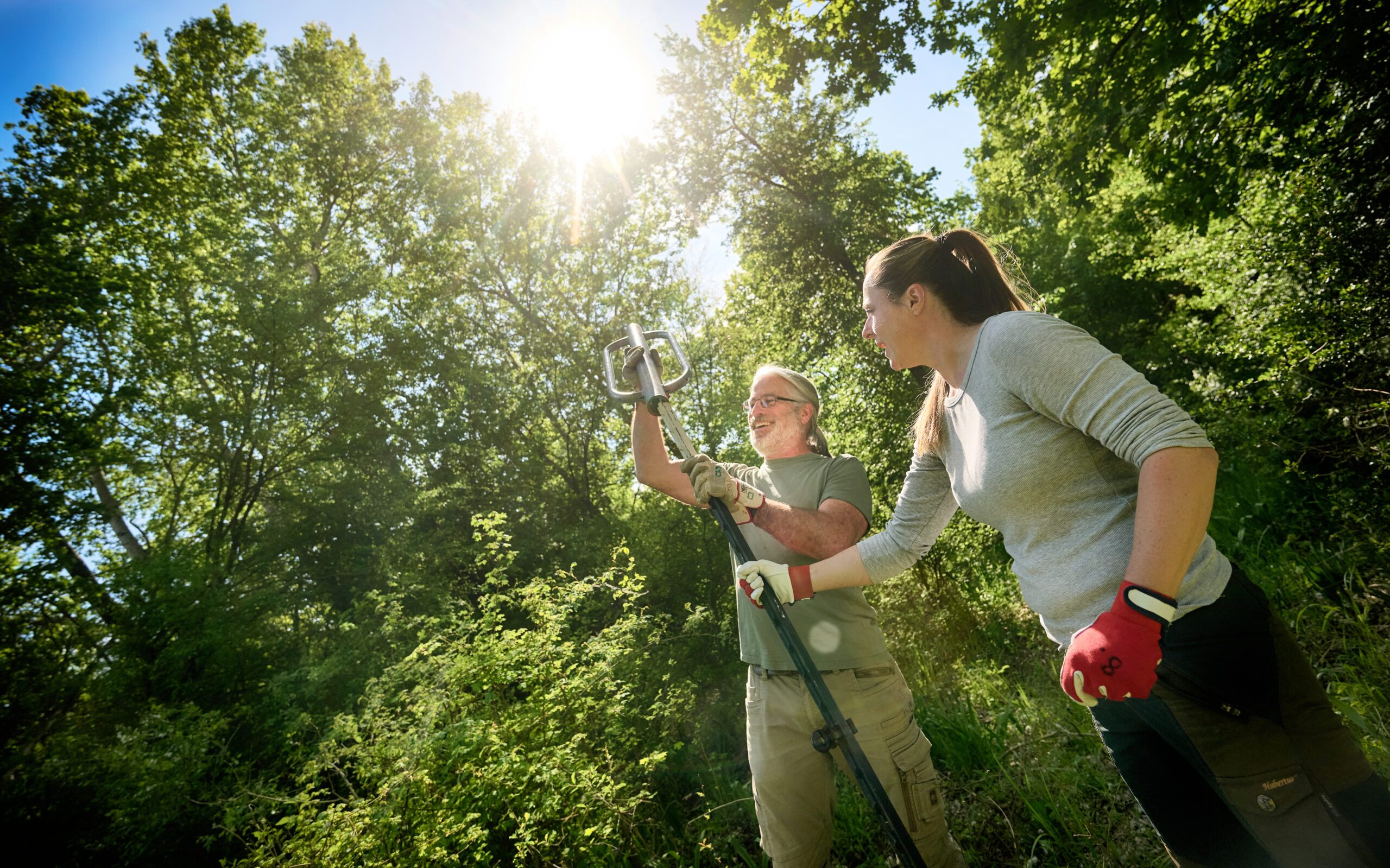
Temporary fencing -
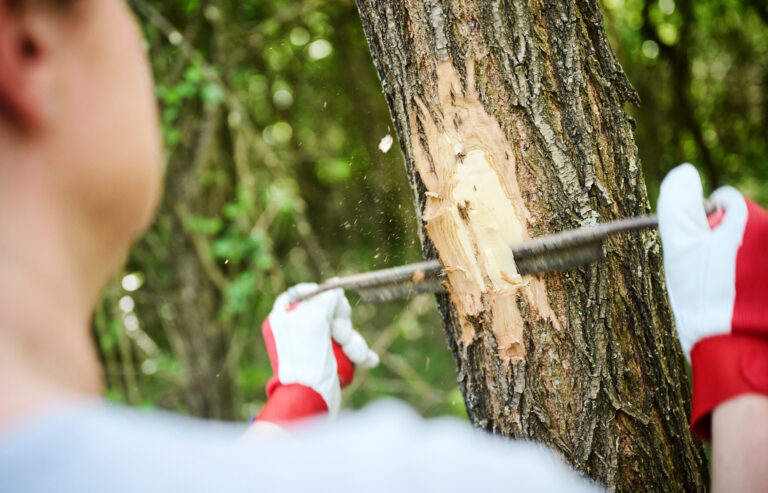
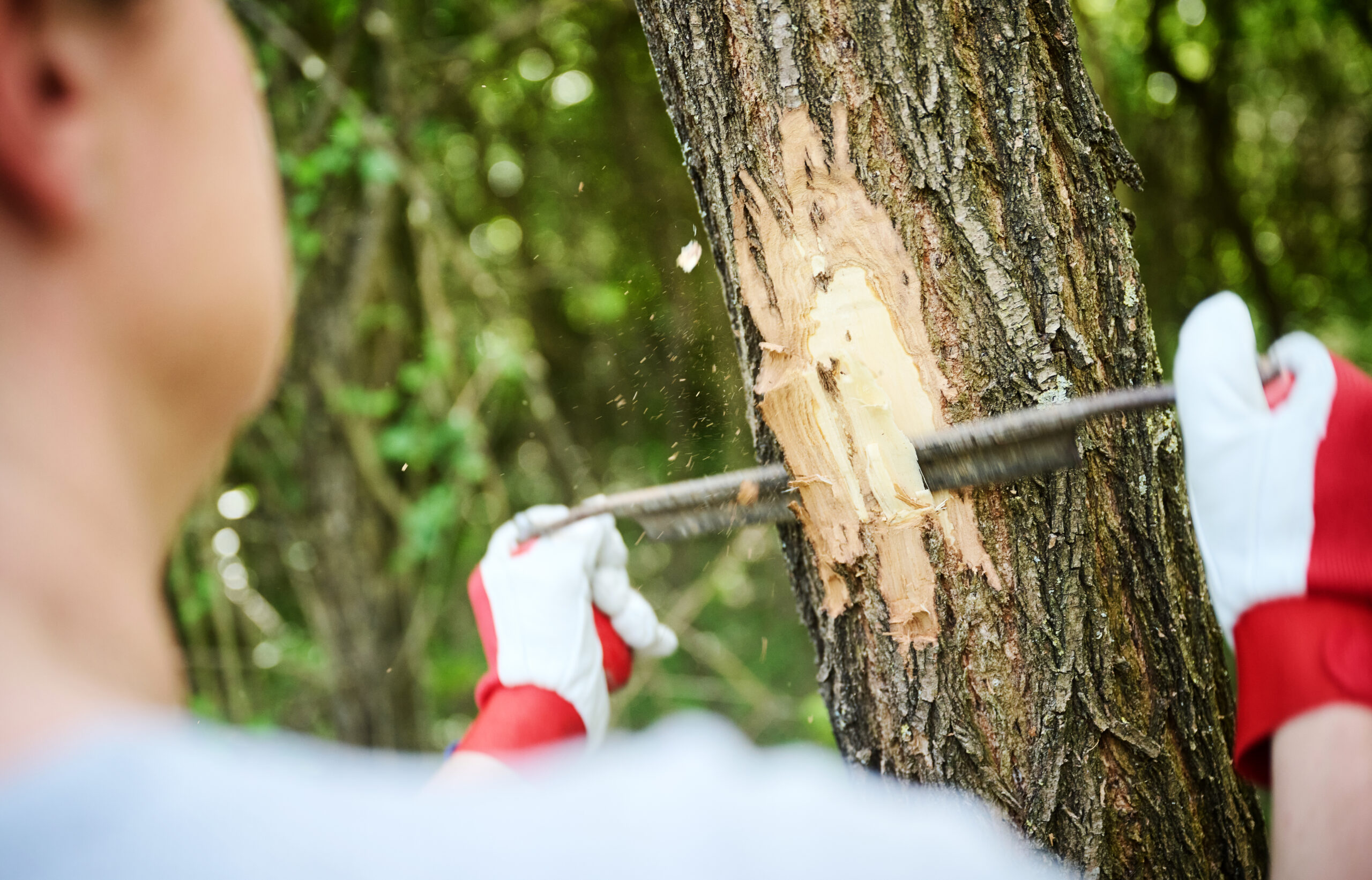
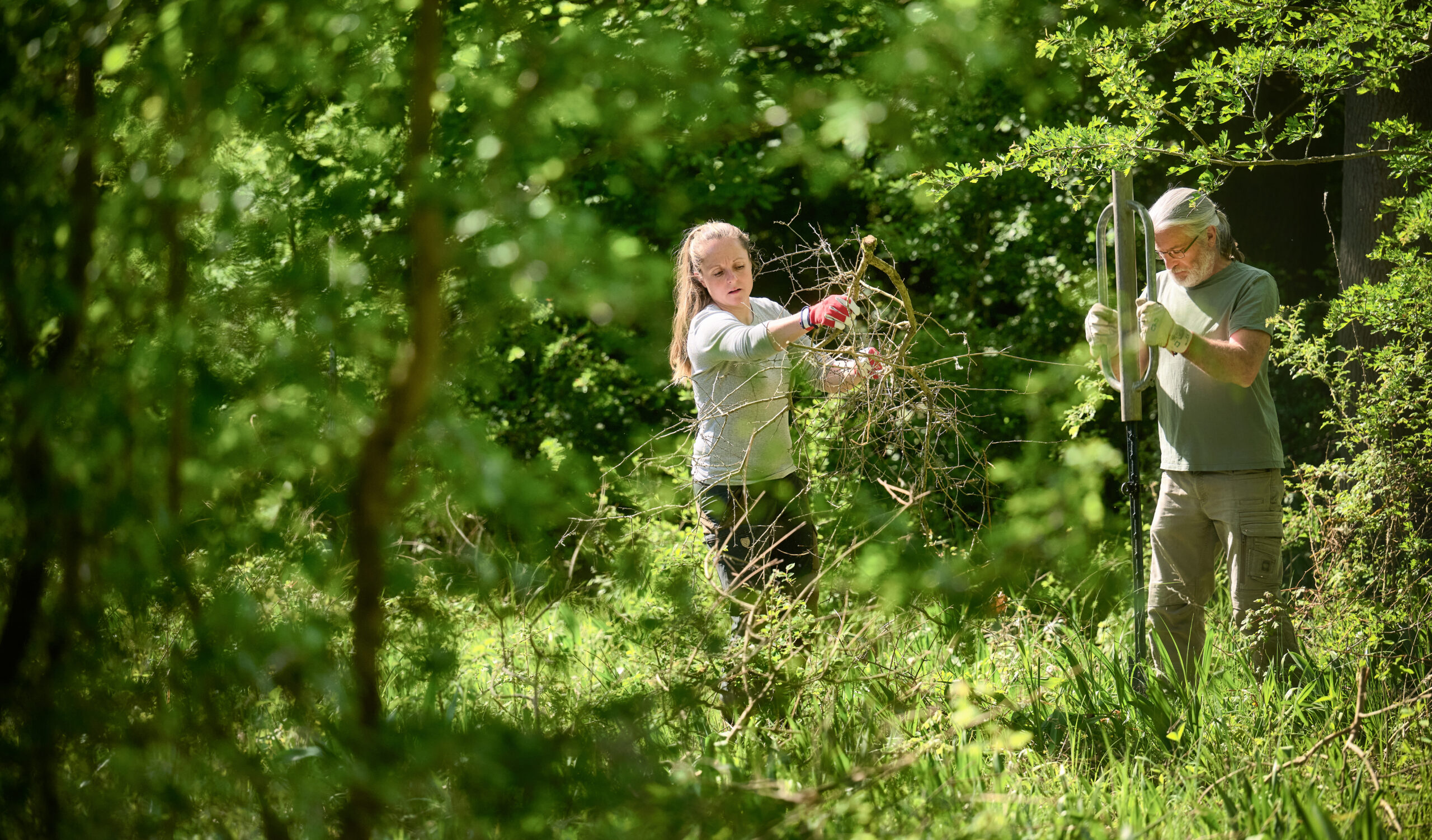
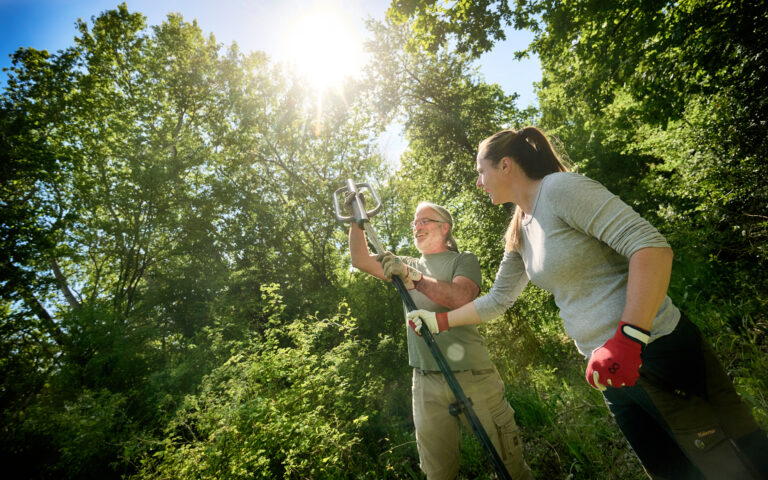
Treatment of invasive tree species -
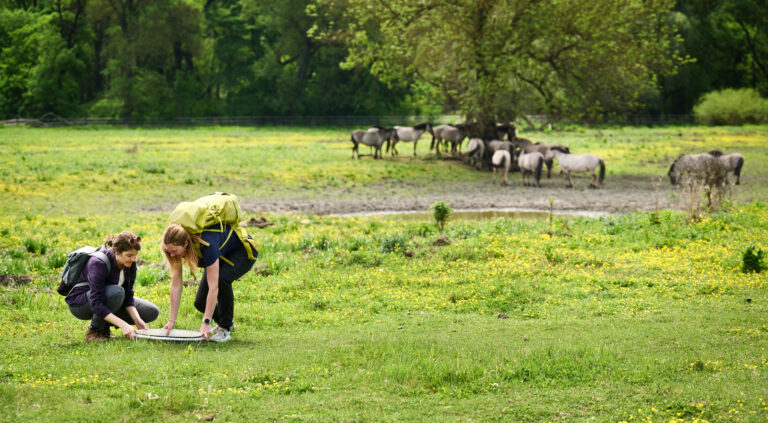
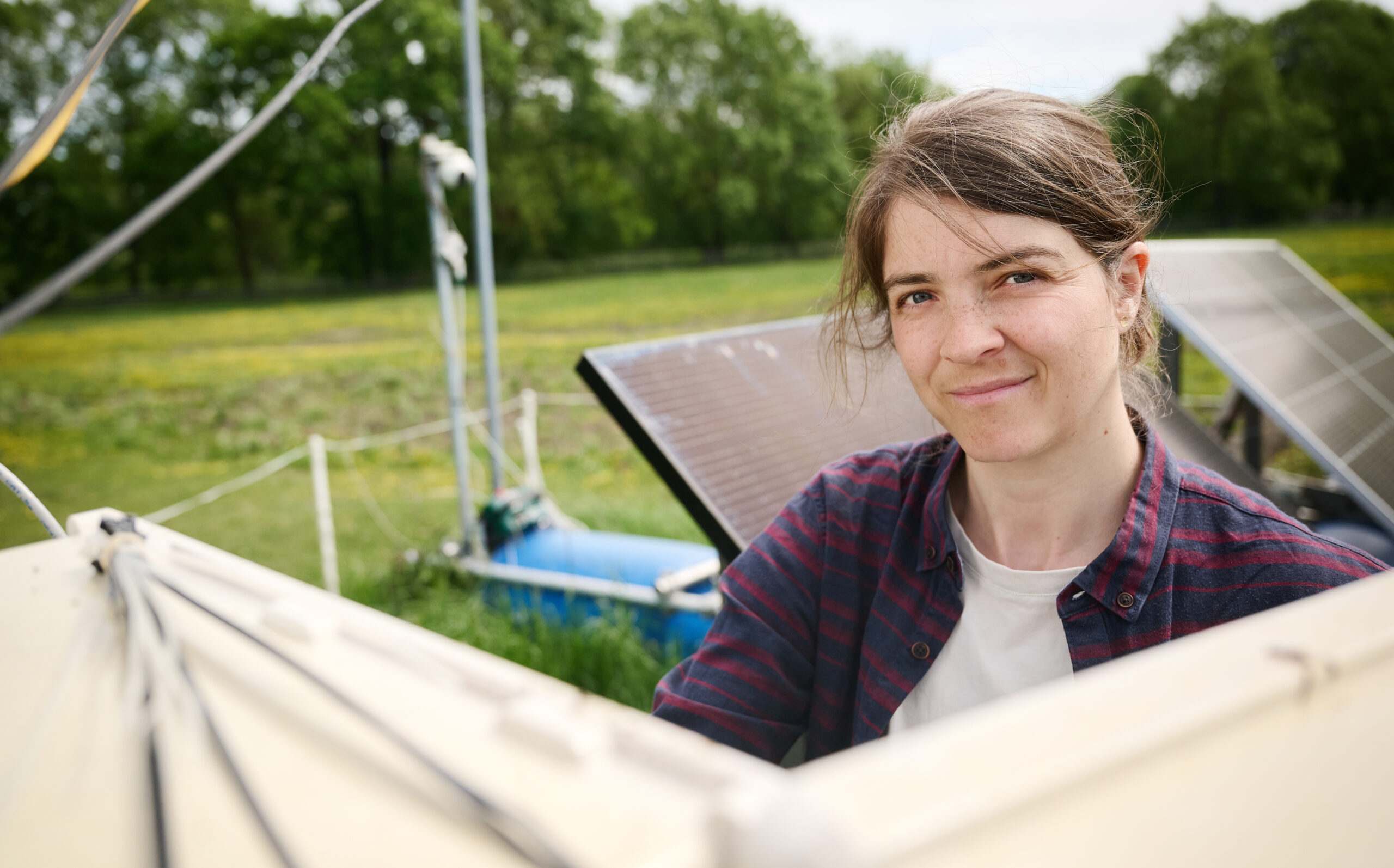
Magdalena von der Thannen and Anna Lindenberger -
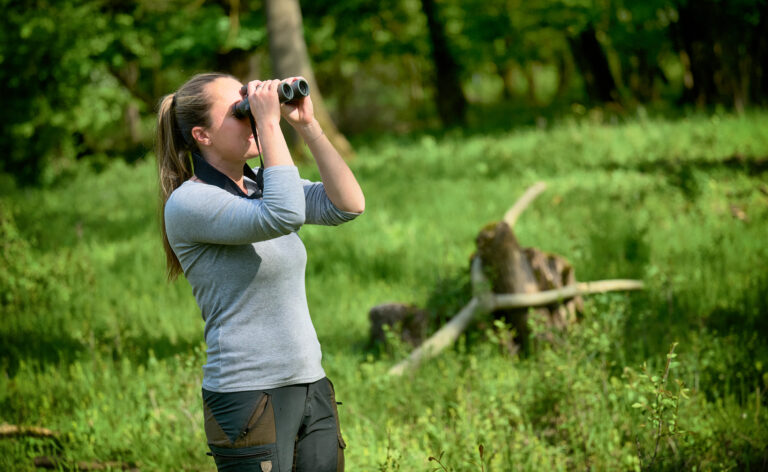
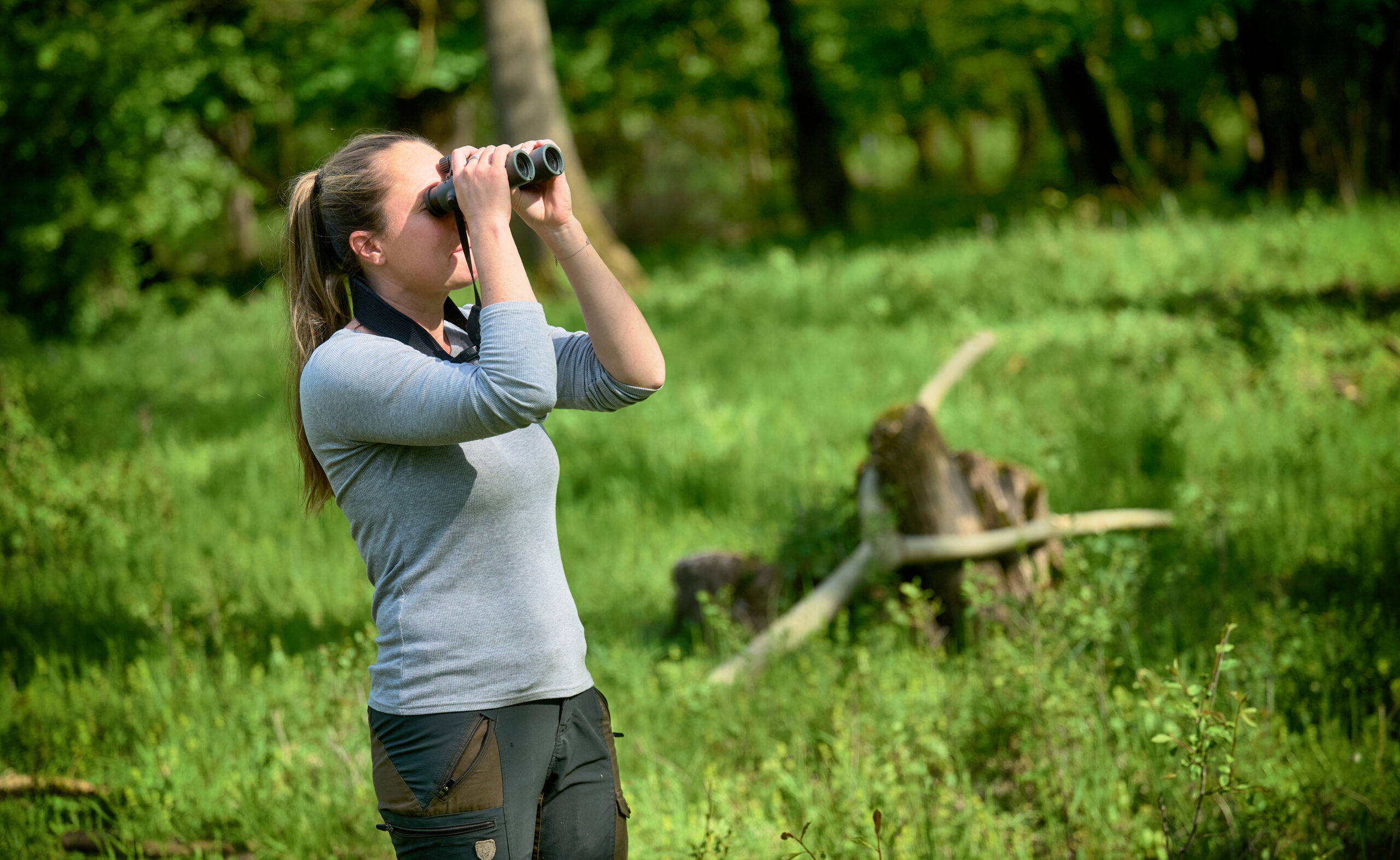
Biologist and ornithologist Marion Schindlauer -
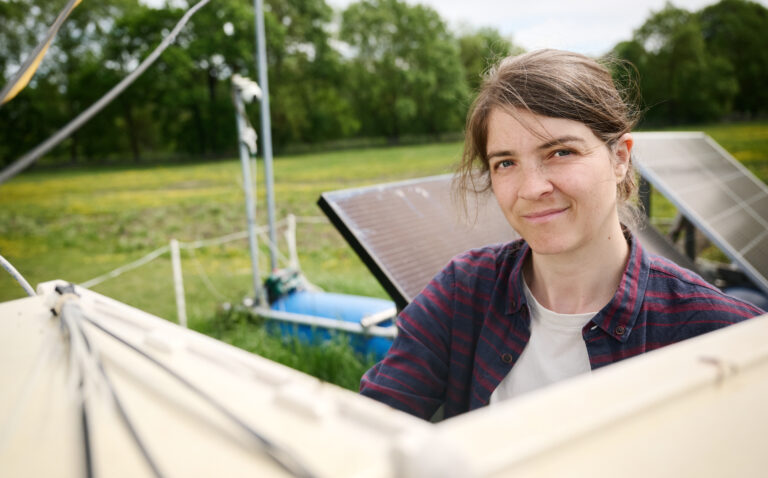
Magdalena von der Thannen -
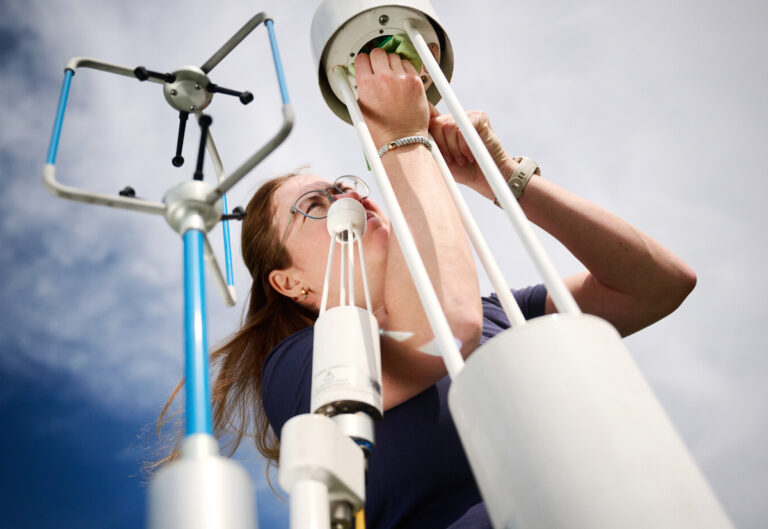
Anna Lindenberger -
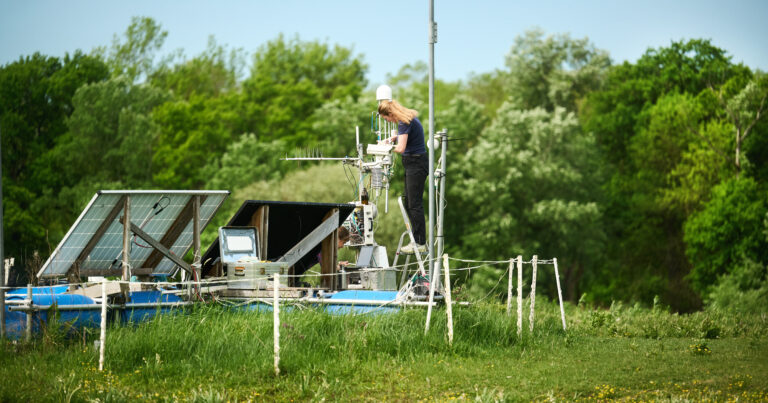
Nature as disaster relief -
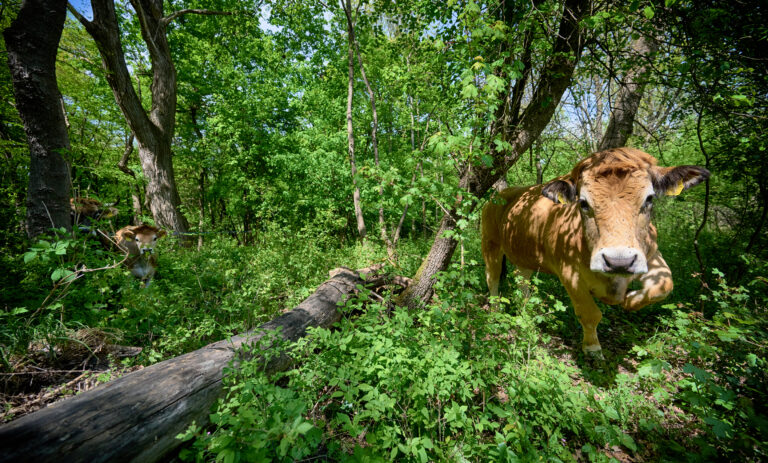
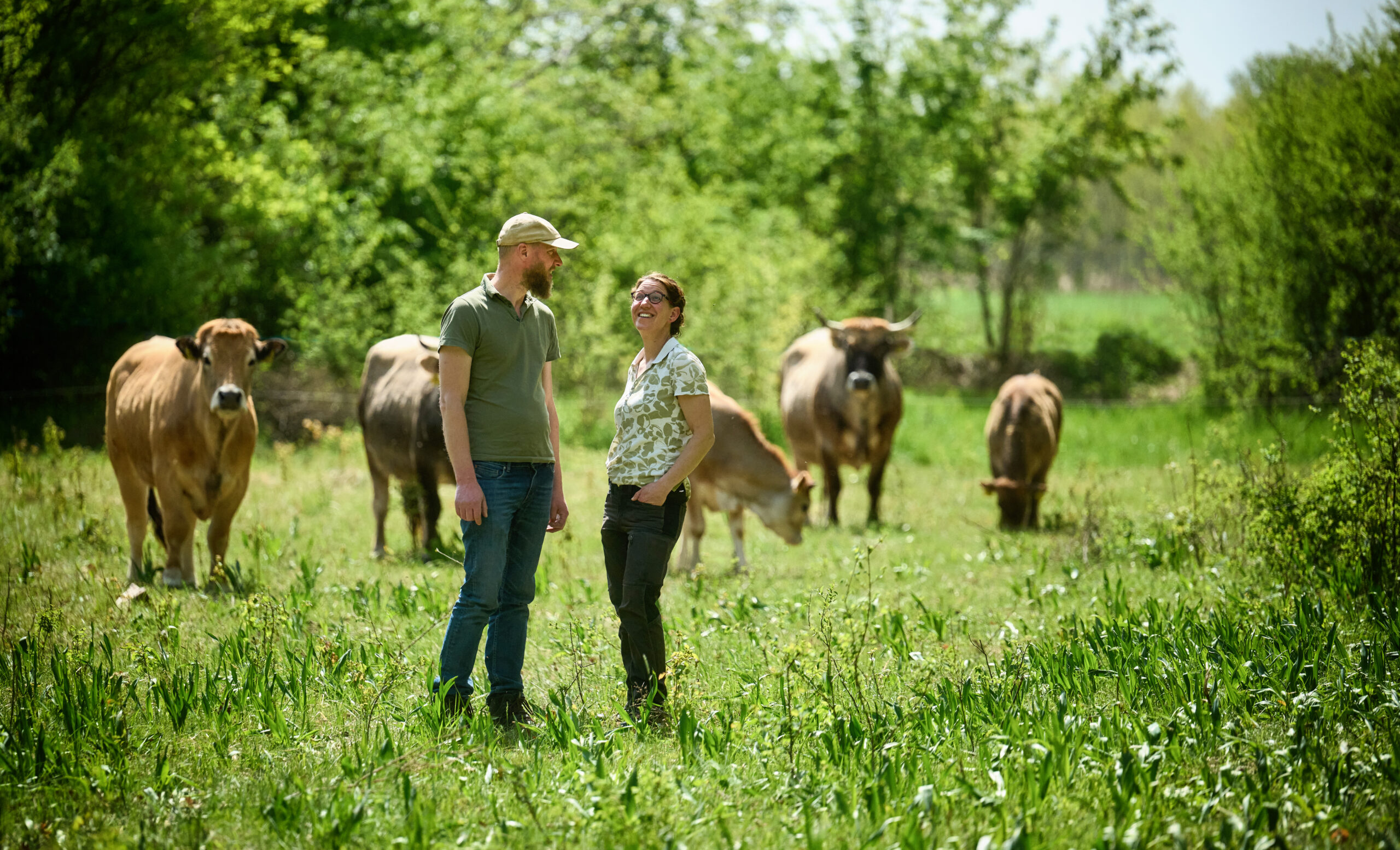
Julia’s and Vinzenz’s cows -
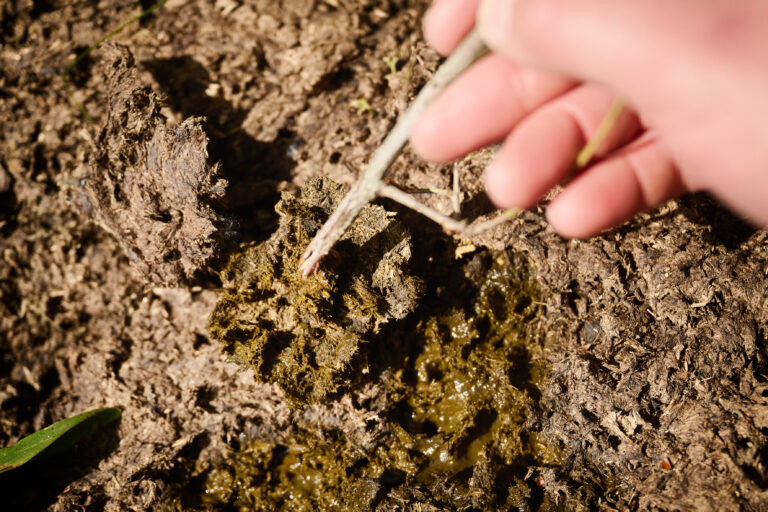
Dung as part of the restoration effort -
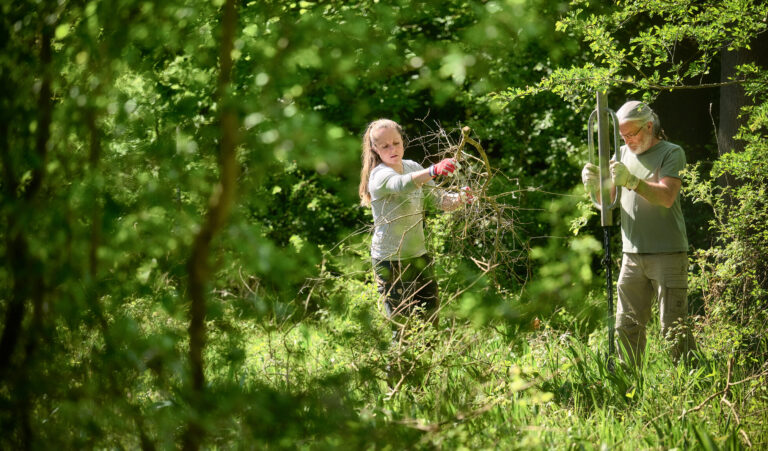
Temporary fencing -
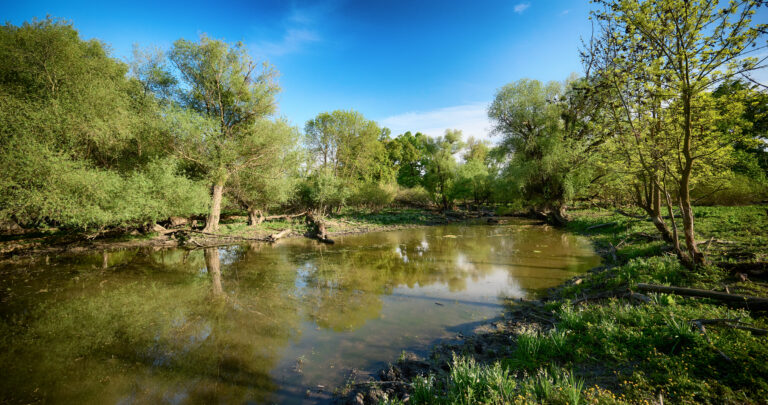
The landscape -
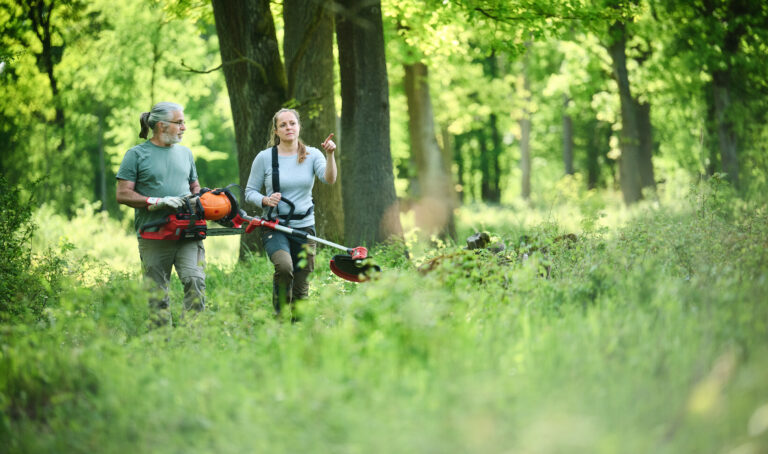
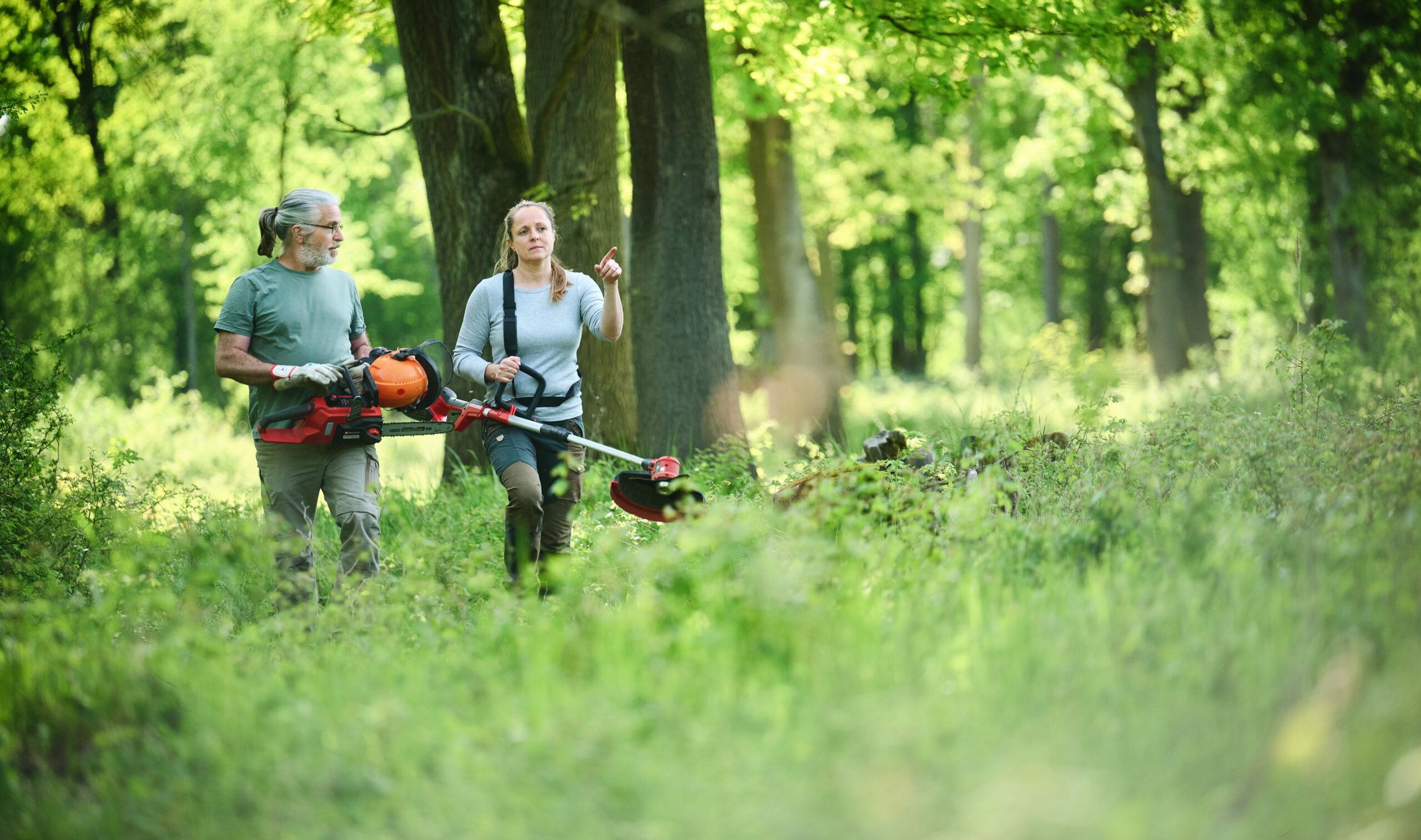
Cutting to restore -
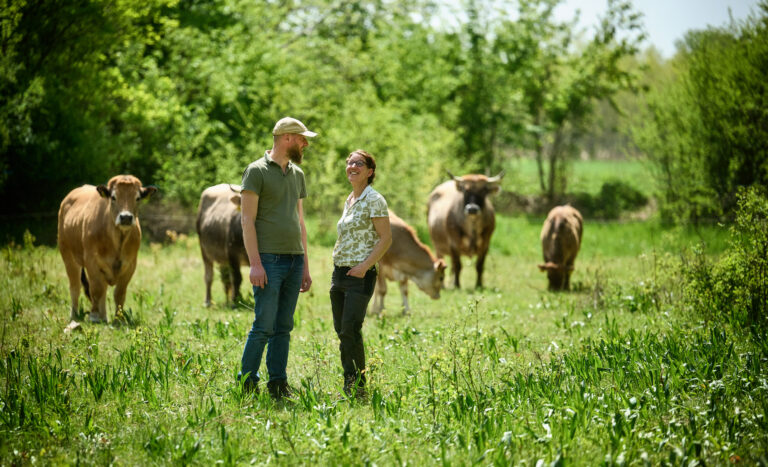
Cattle farmers Julia and Vinzenz Harbich -
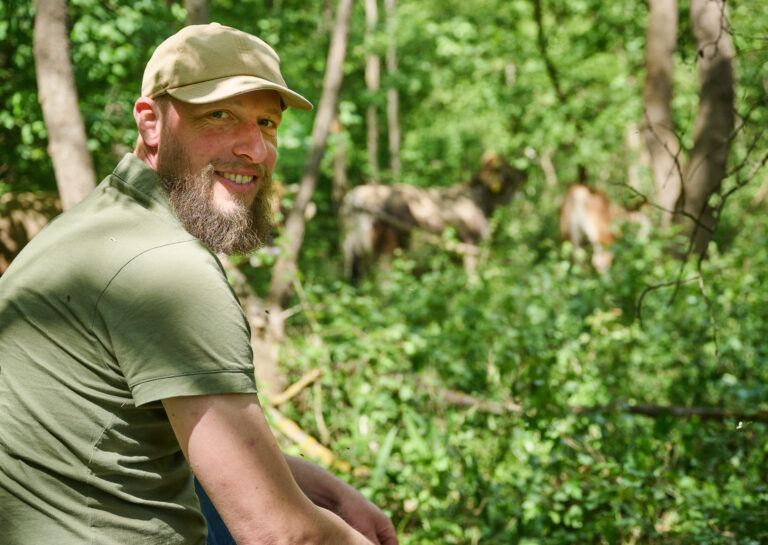
Cattle farmers Julia and Vinzenz Harbich -
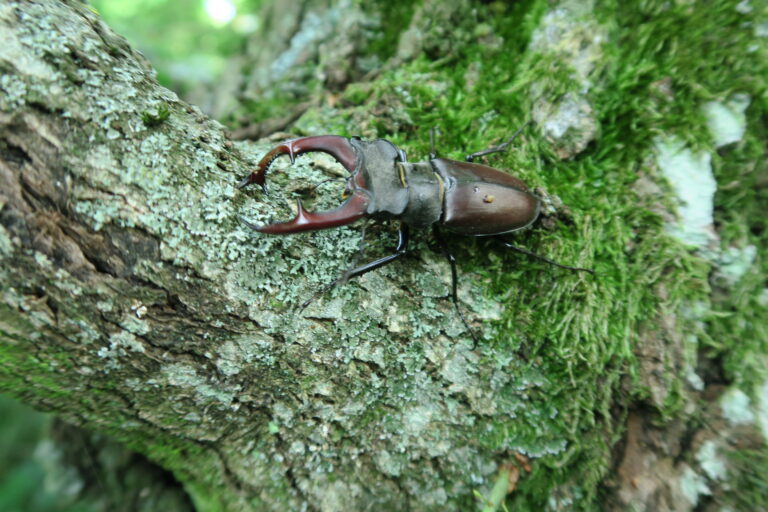
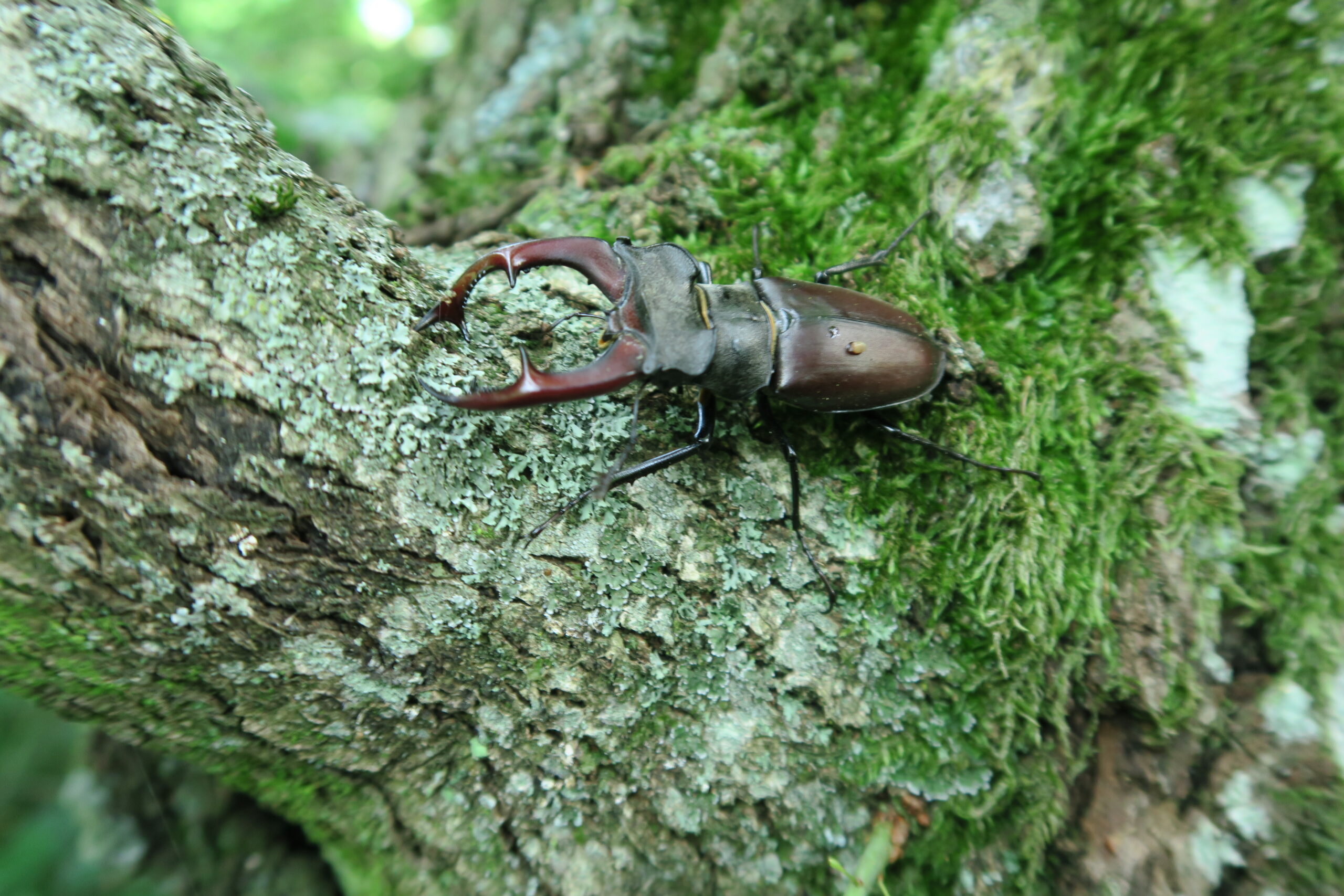
Stag Beetle (c) Karin Enzenhofer -
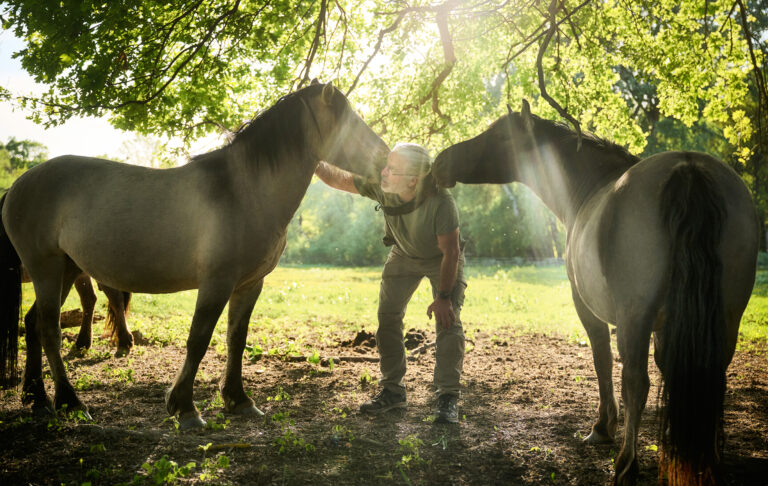
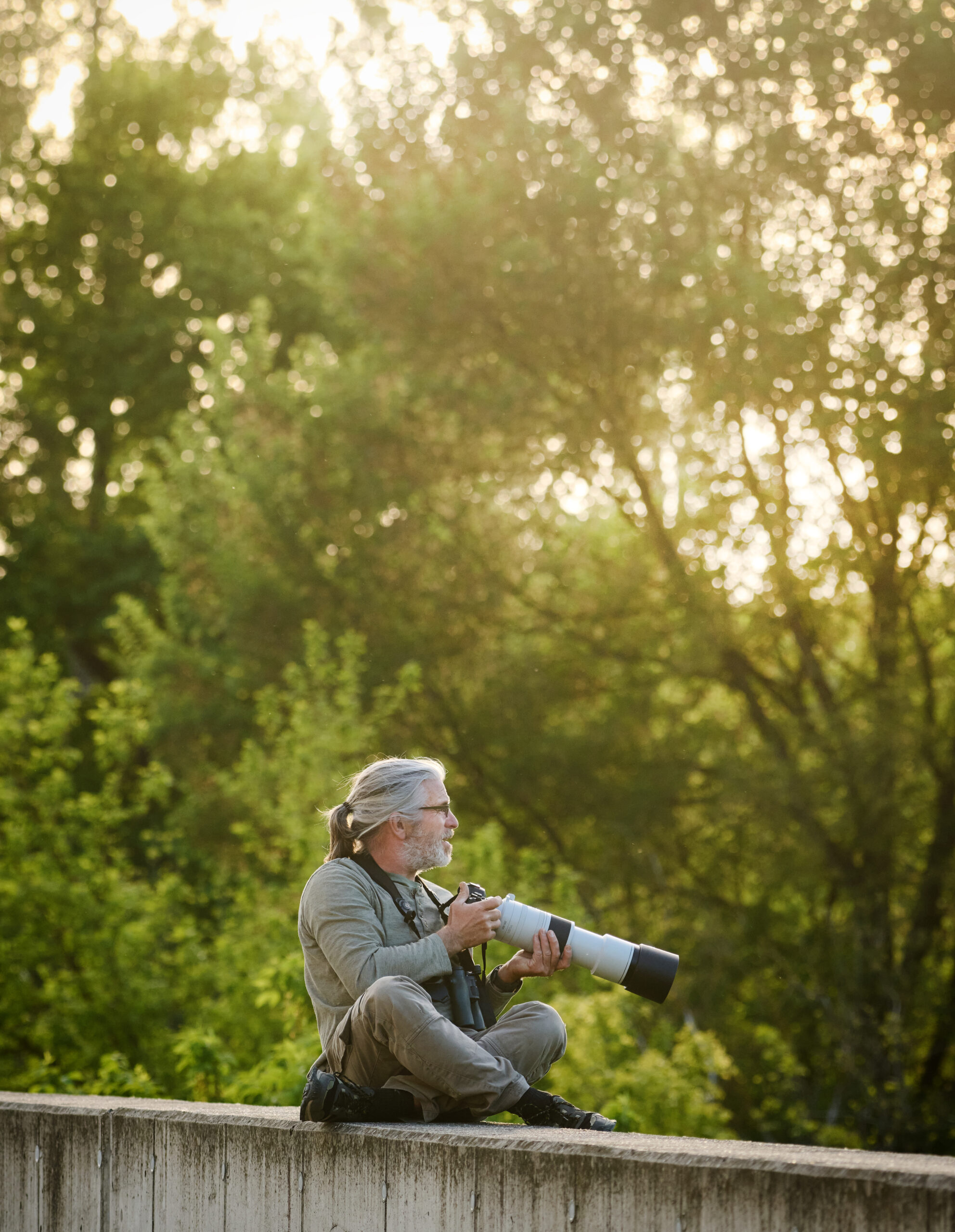
Ornithologist Christoph Roland -
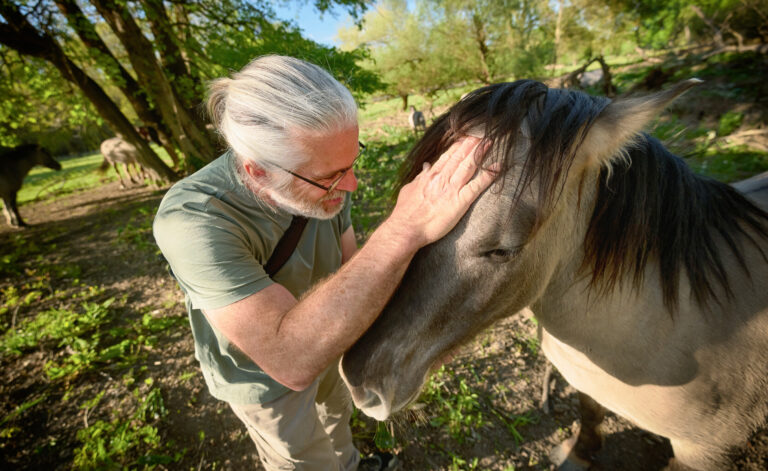
Ornithologist Christoph Roland -
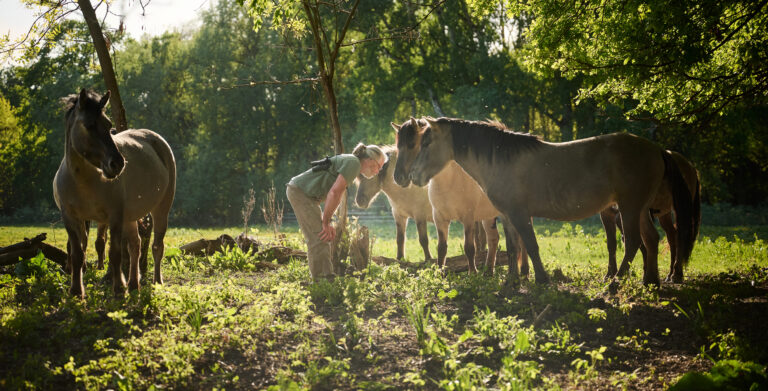
Horses as restorers -
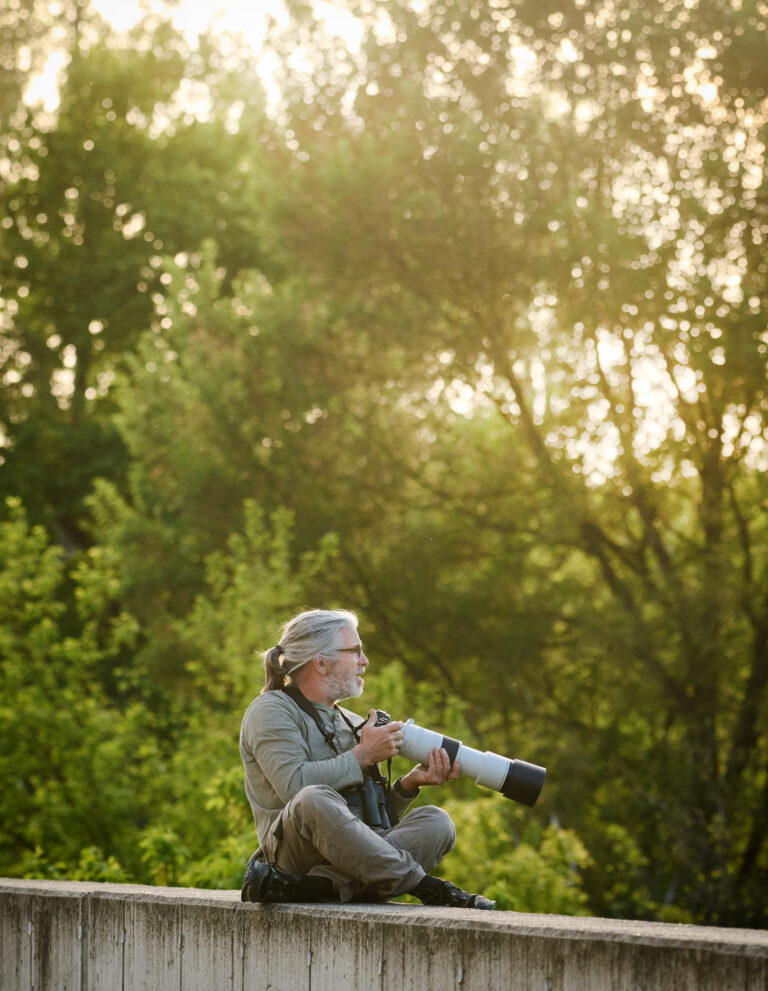
Ornithologist Christoph Roland -
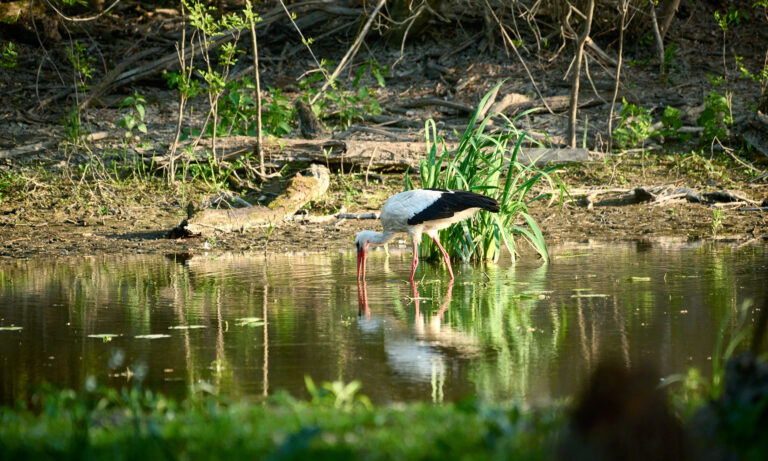
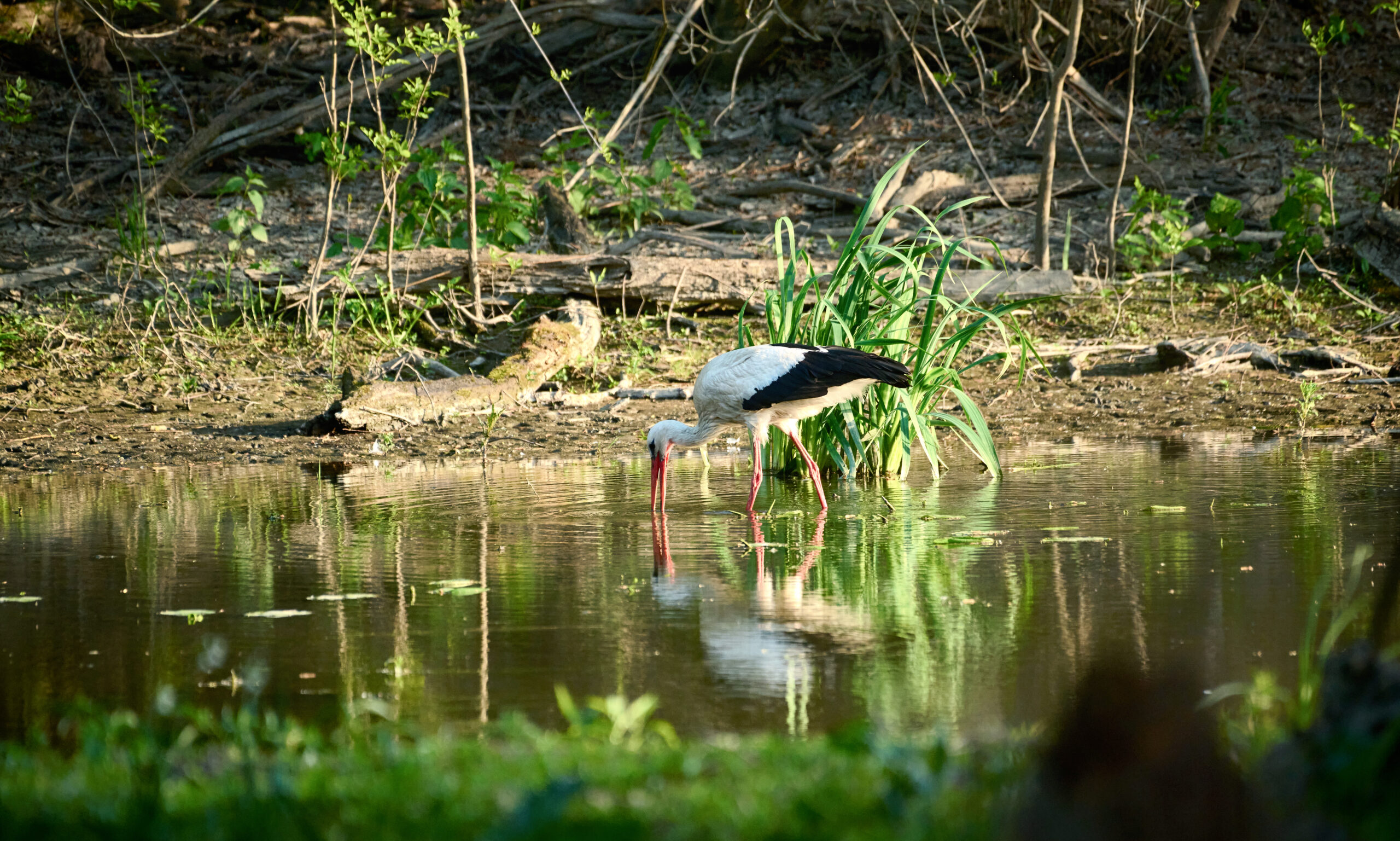
The White Stork -
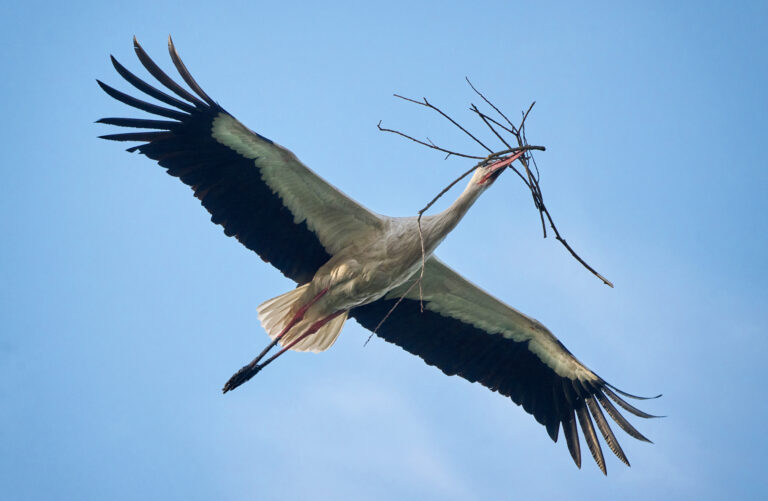
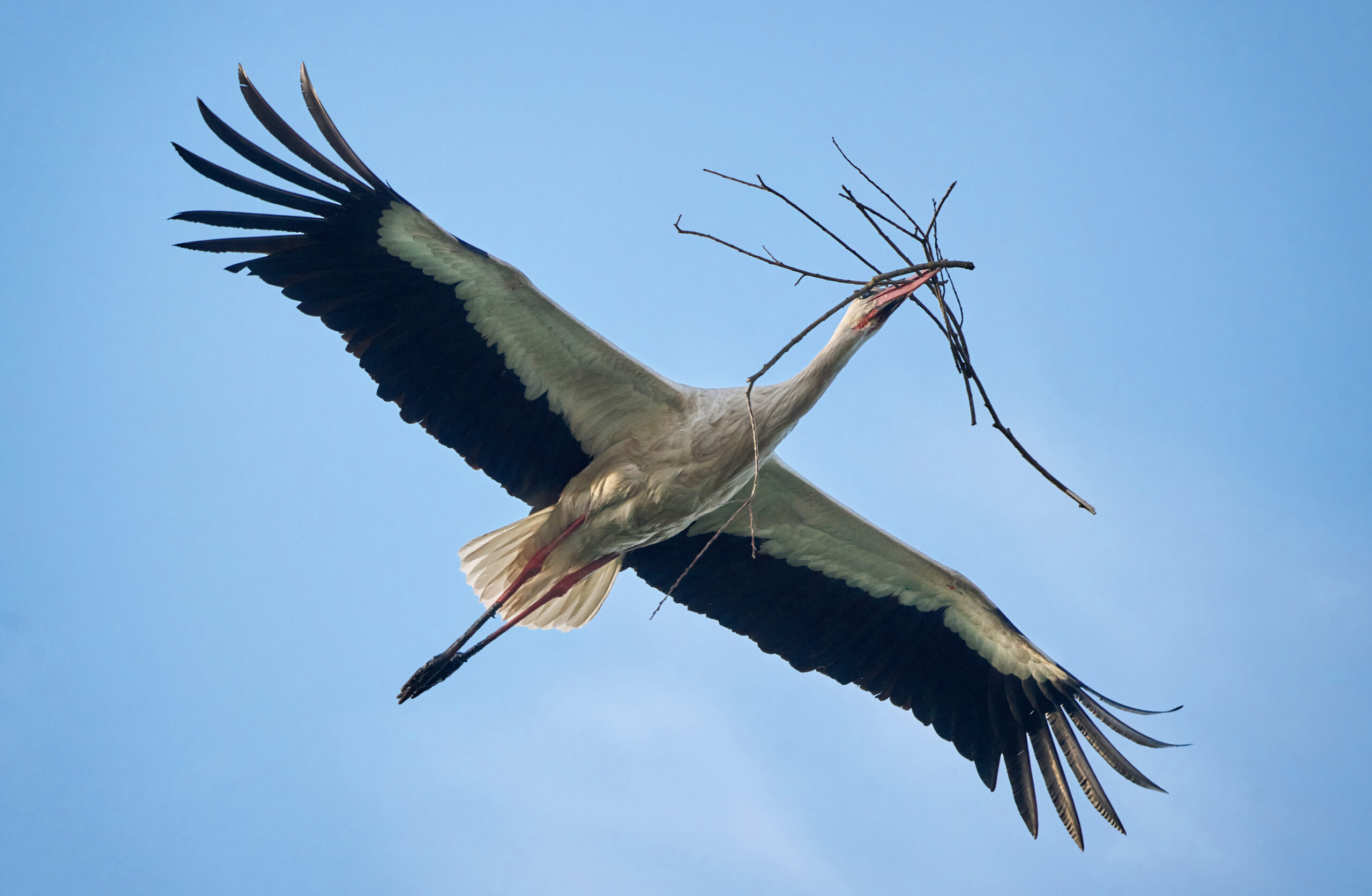
The White Stork -
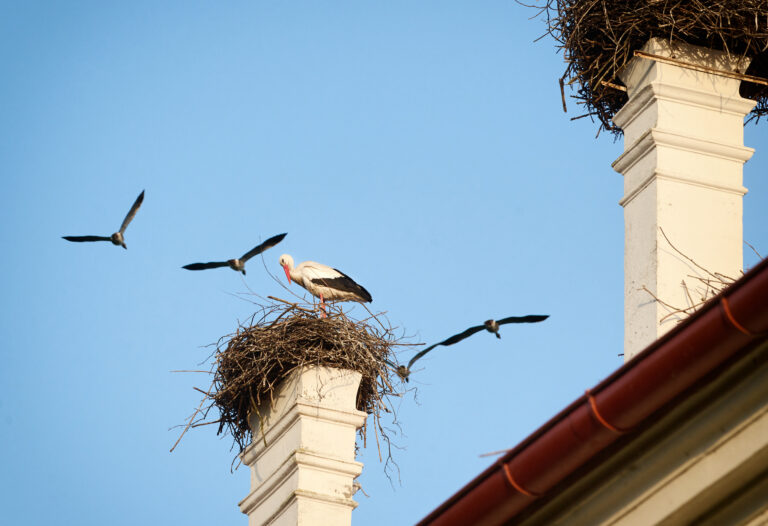
The White Stork