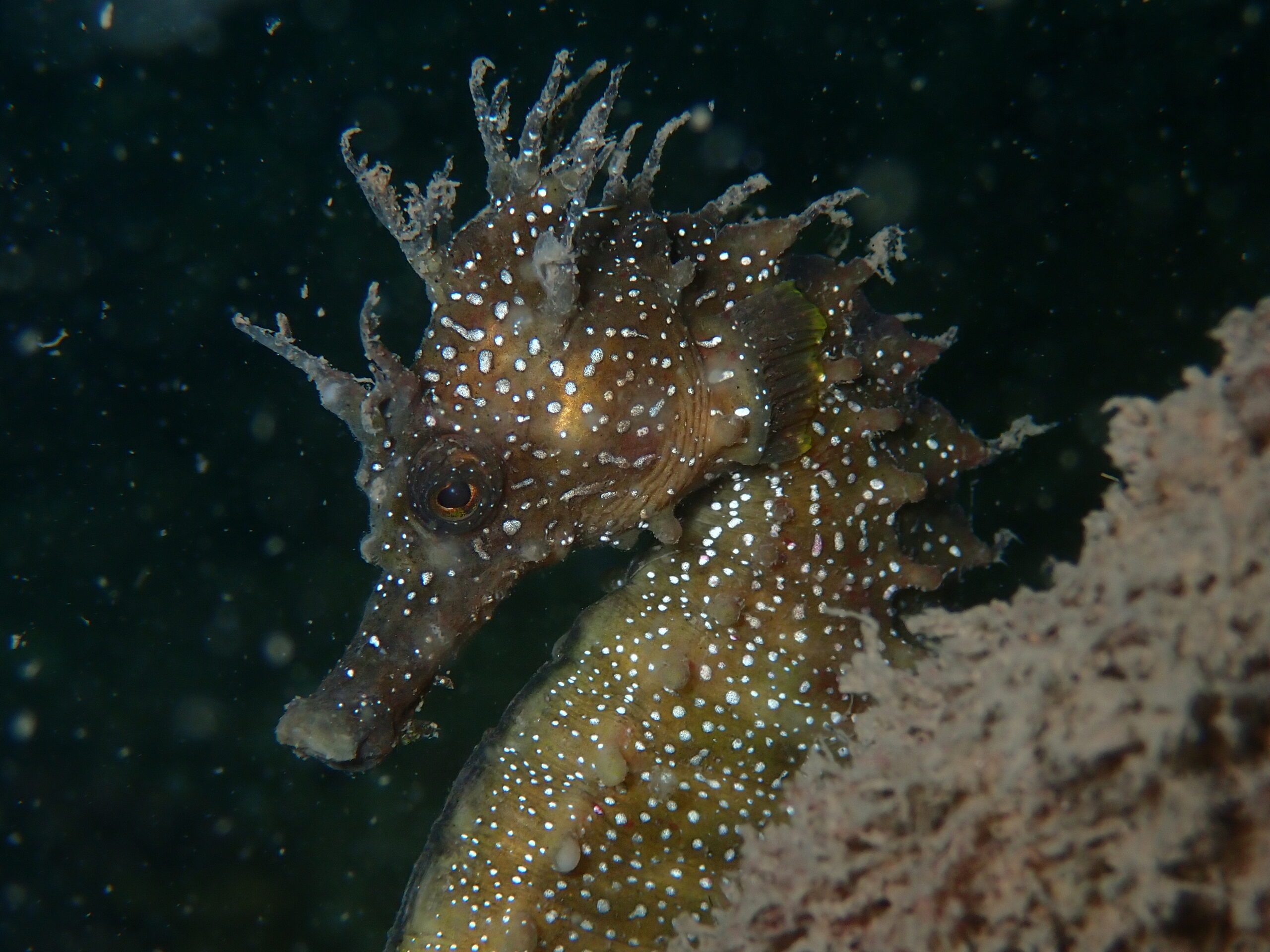
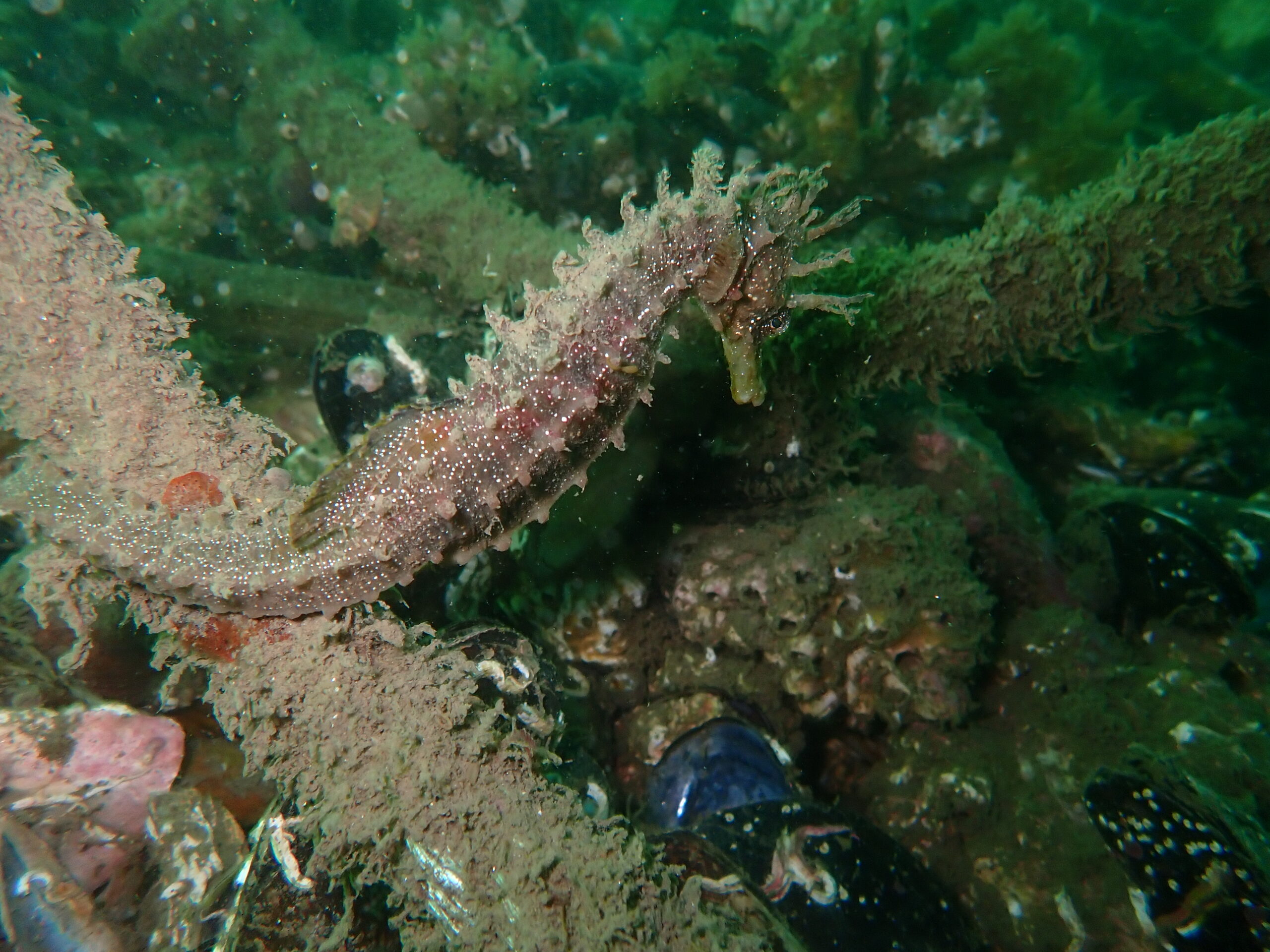
Head resembling that of a horse, a body that looks like natural armour, and a curled tail that serves as an anchor. From this description, one might think of a mythical creature. Yet, it is a fish species: the seahorse.
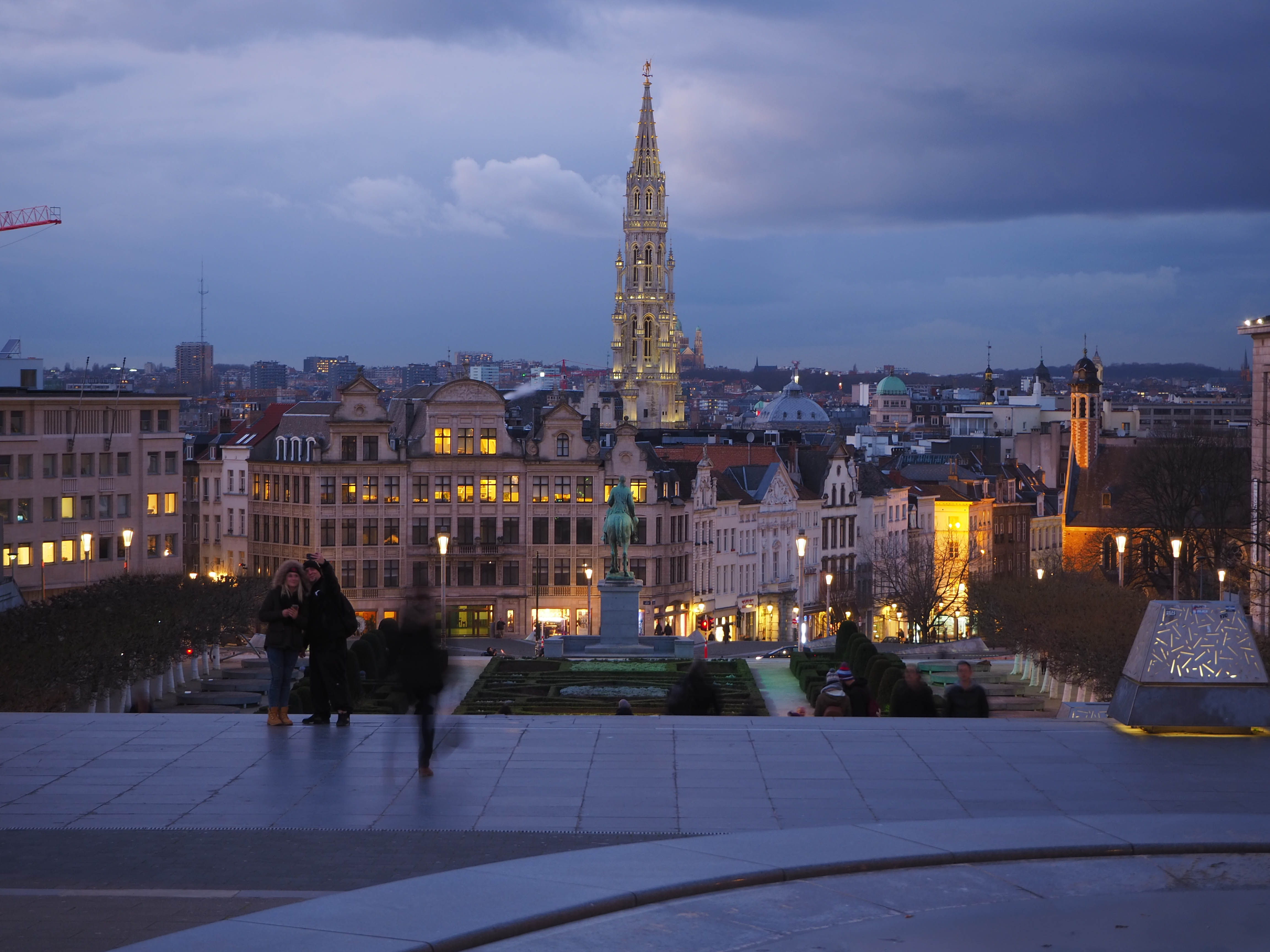
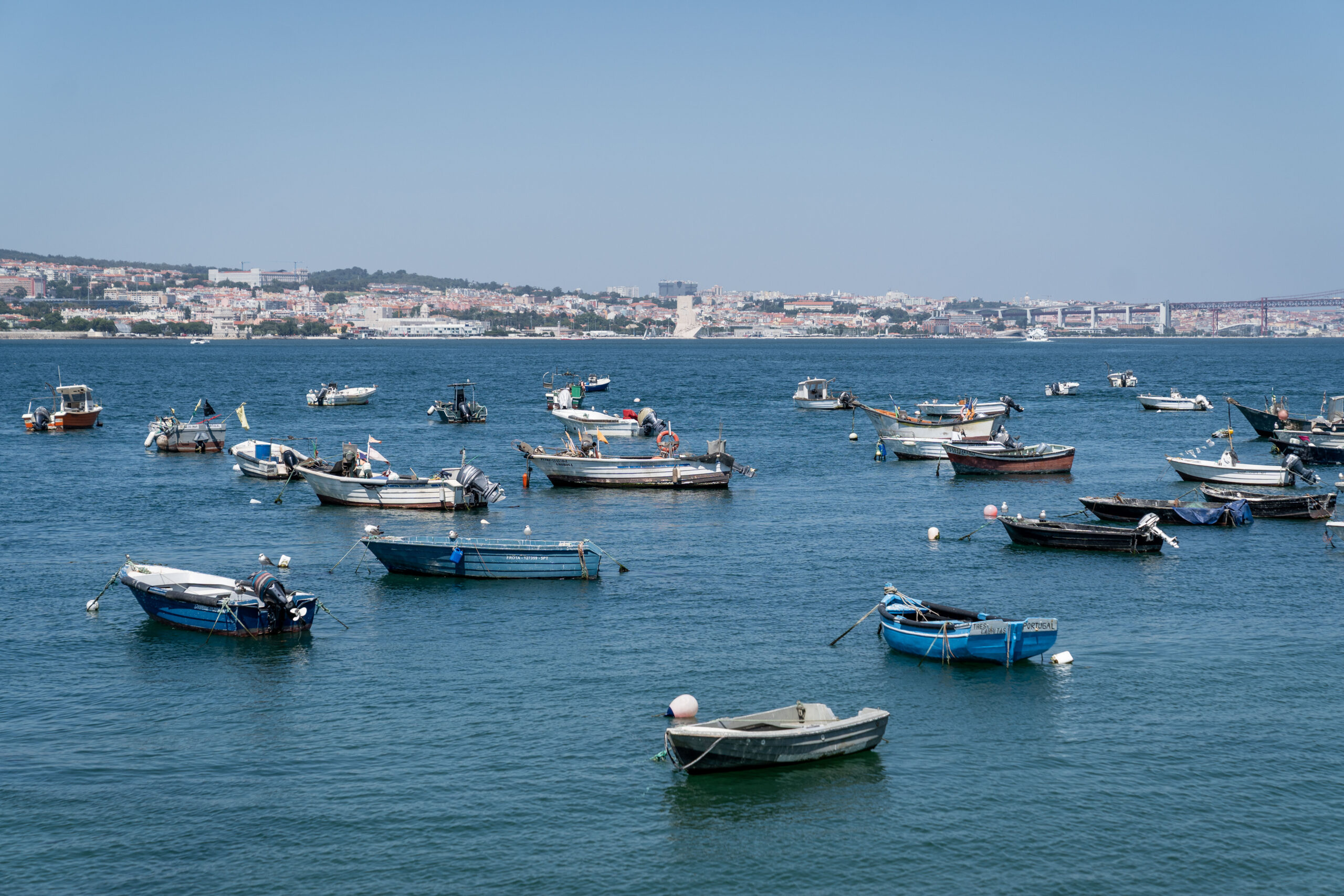
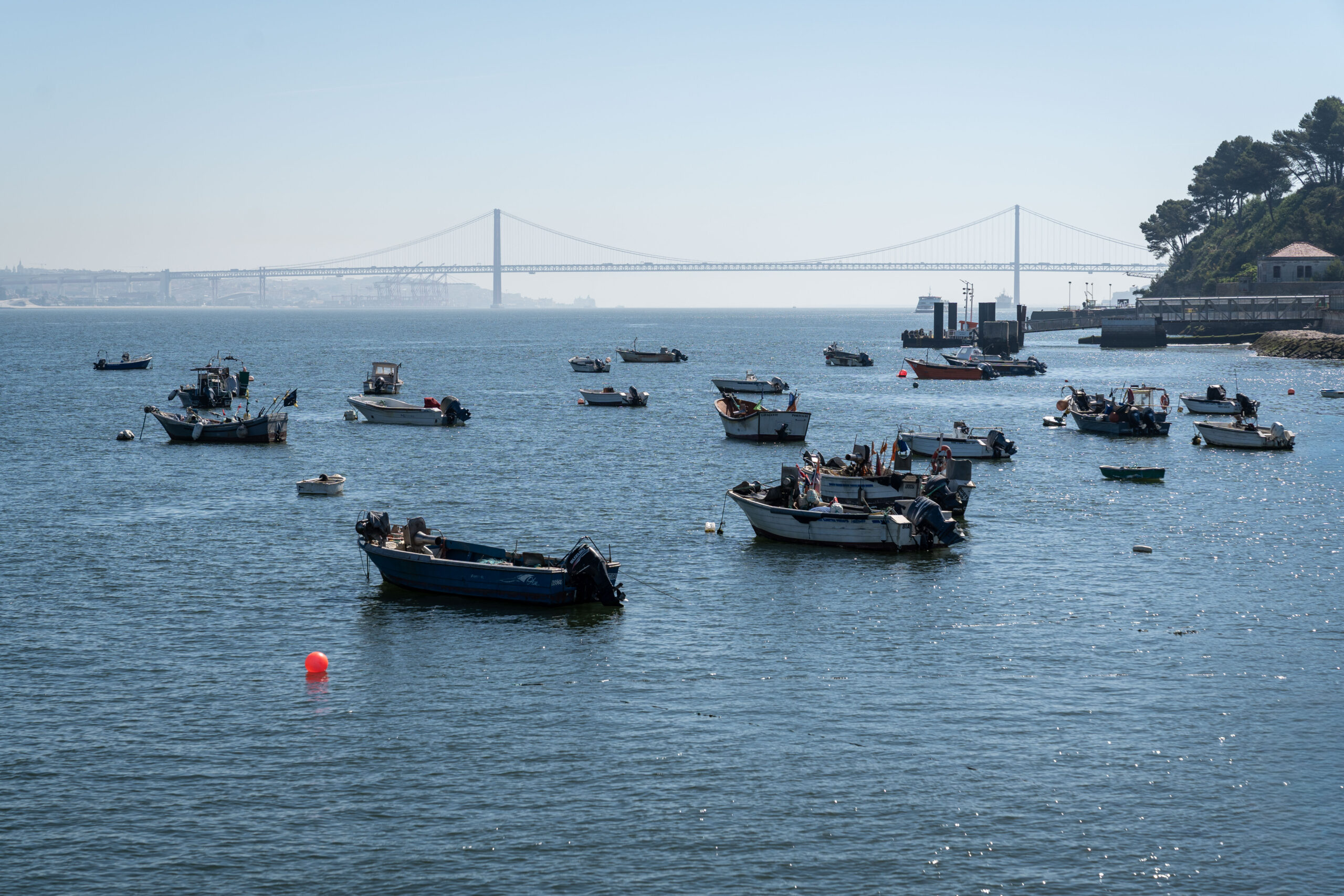
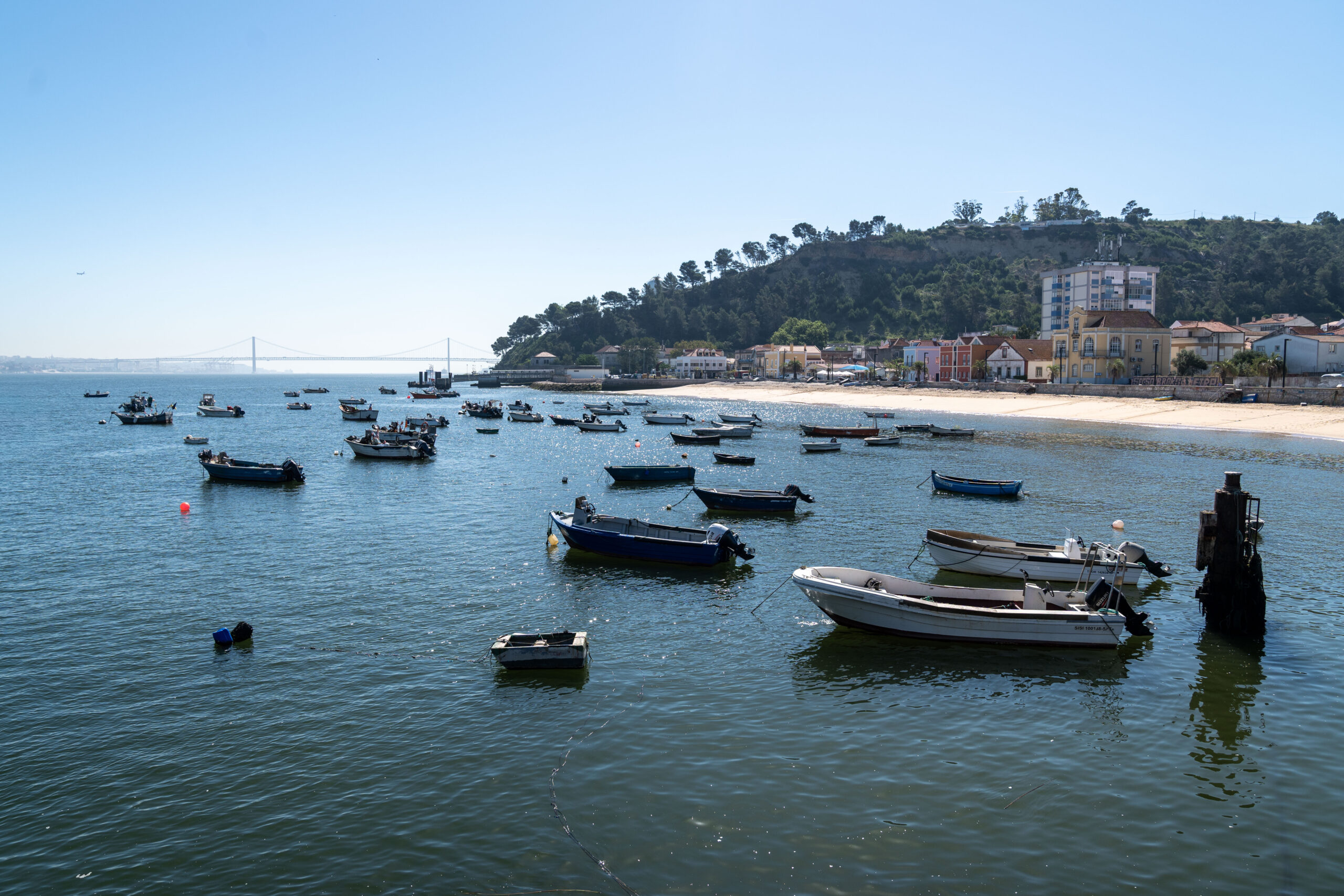
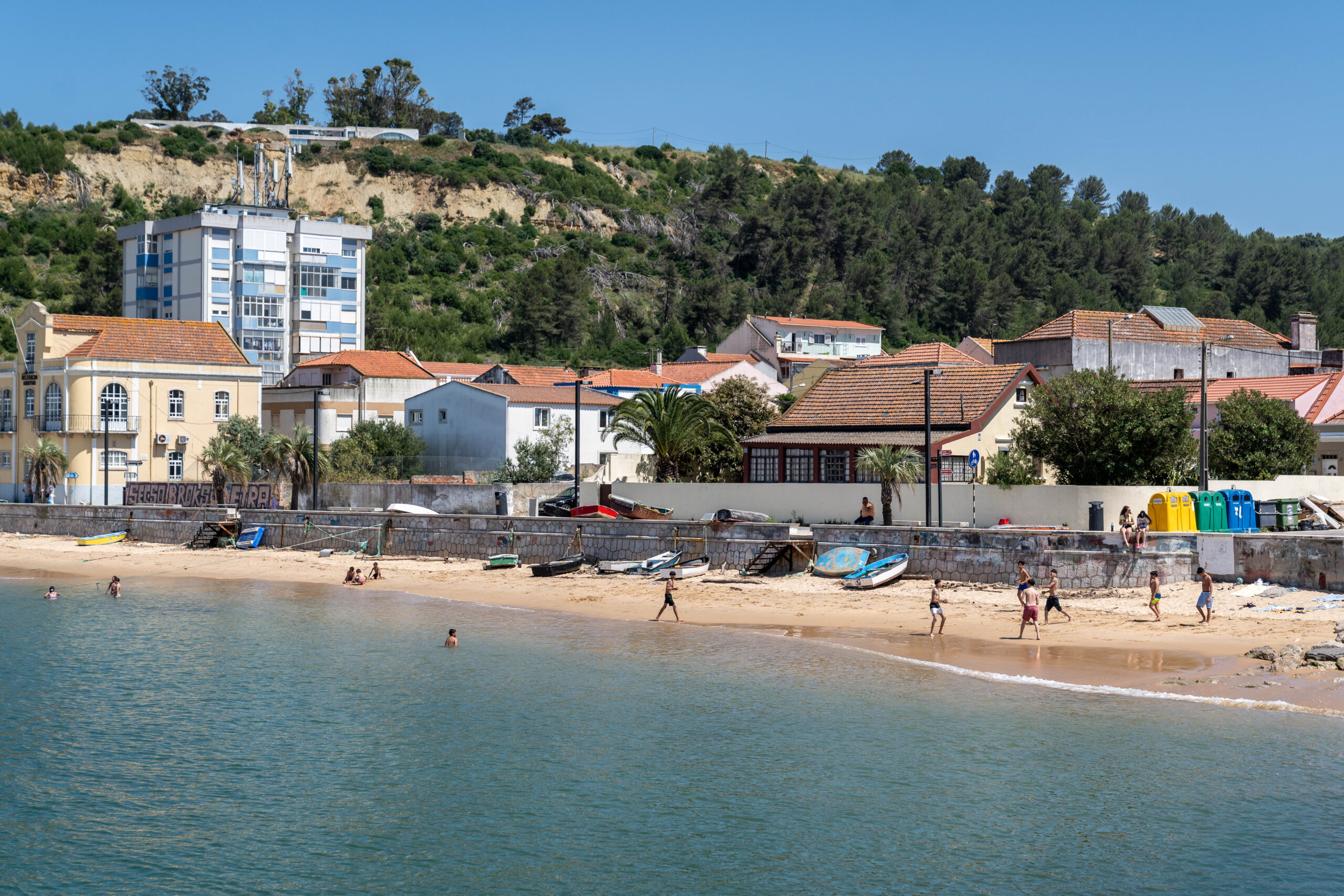
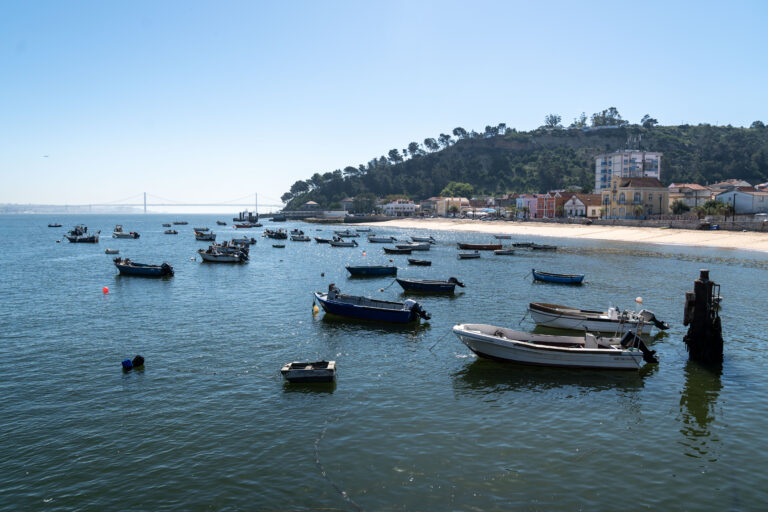
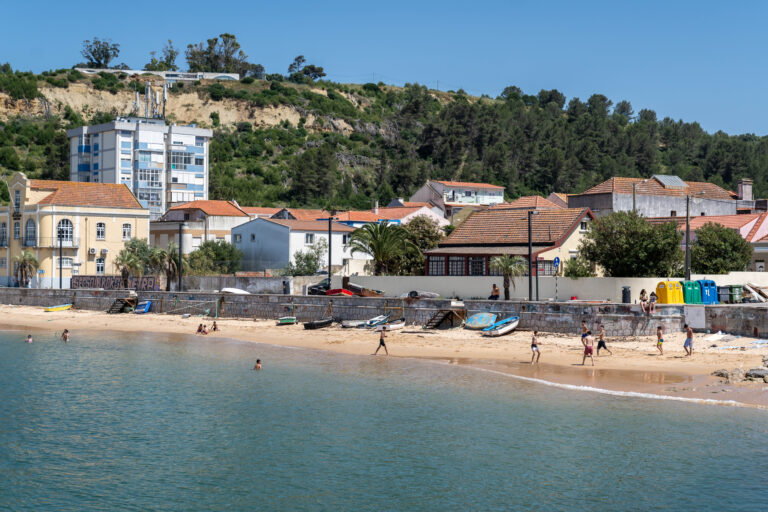
Unexpectedly, Trafaria, a small village located in Almada, is home to a seahorse population in the Tagus Estuary, one of Europe's most important wetlands. And it is the focus of a nature restoration project led by WWF Portugal as part of the D-EVOLUÇÃO initiative.
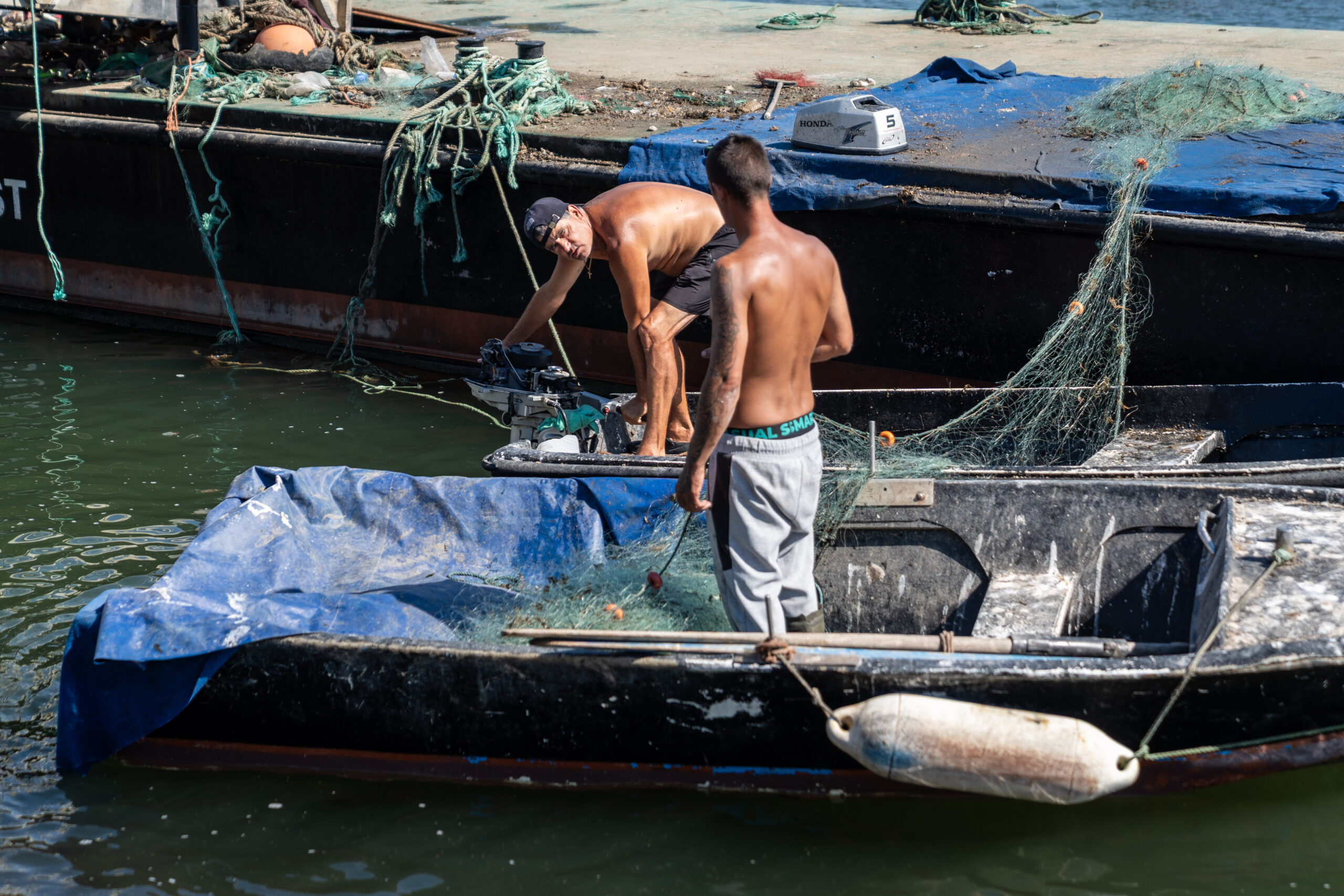
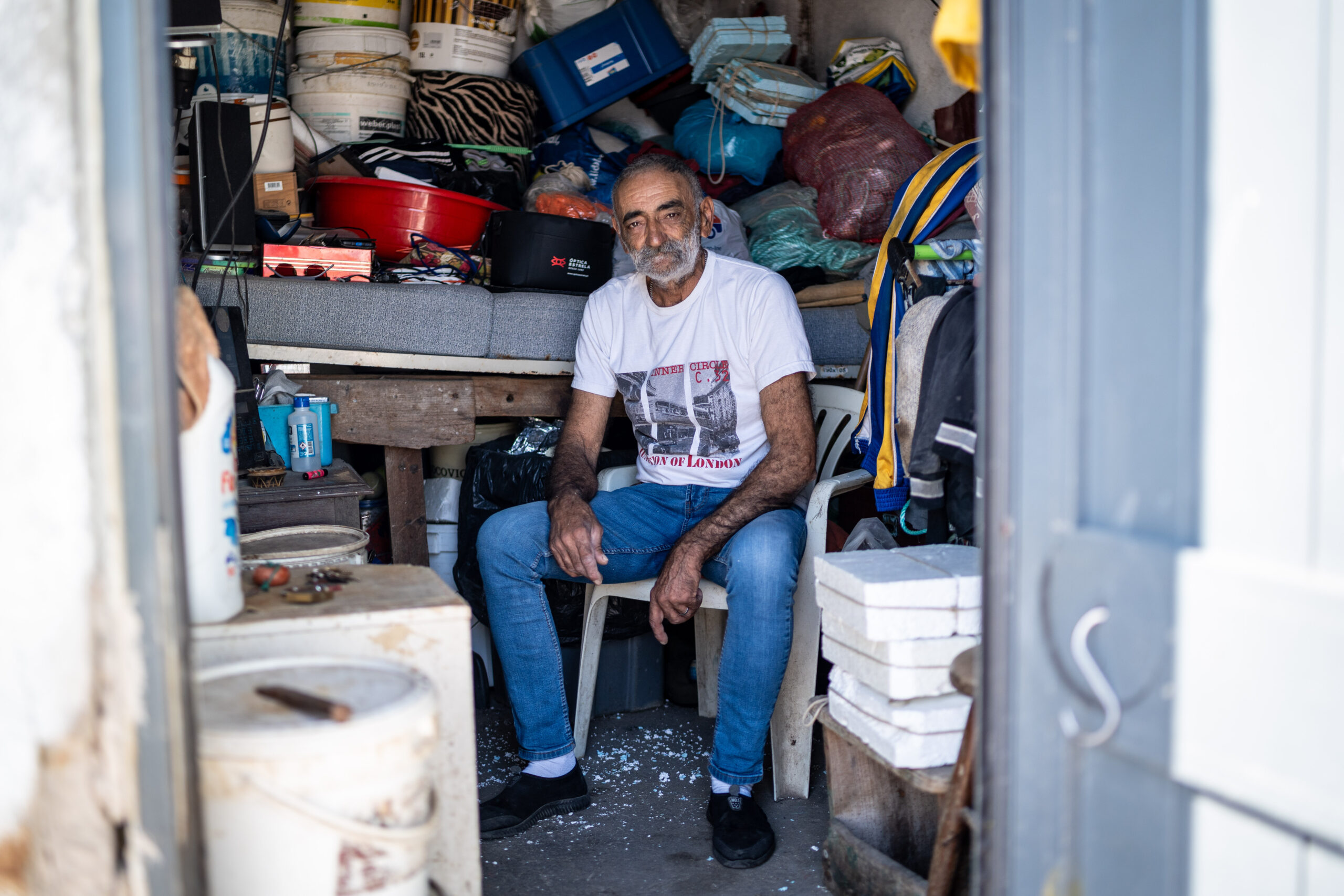
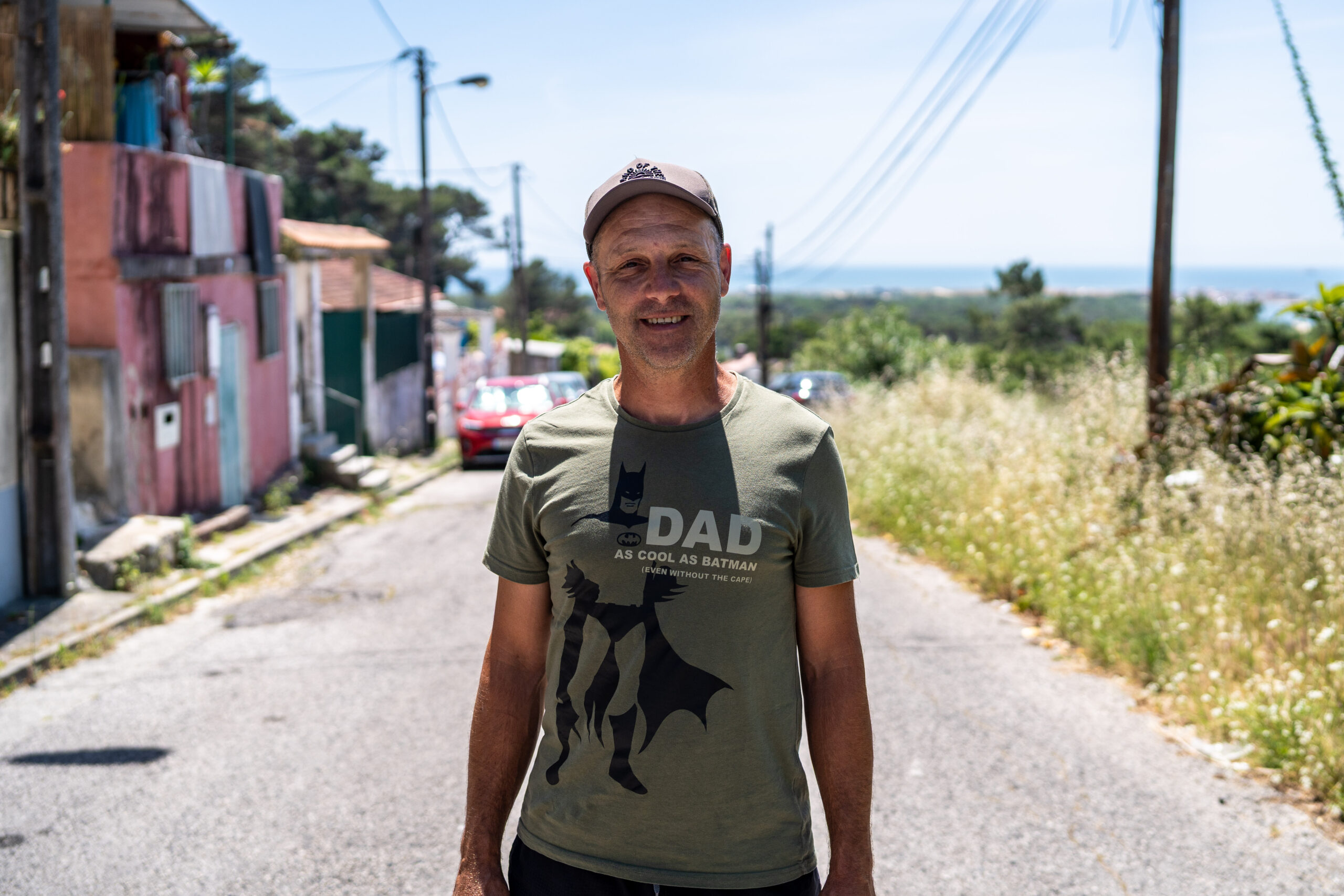
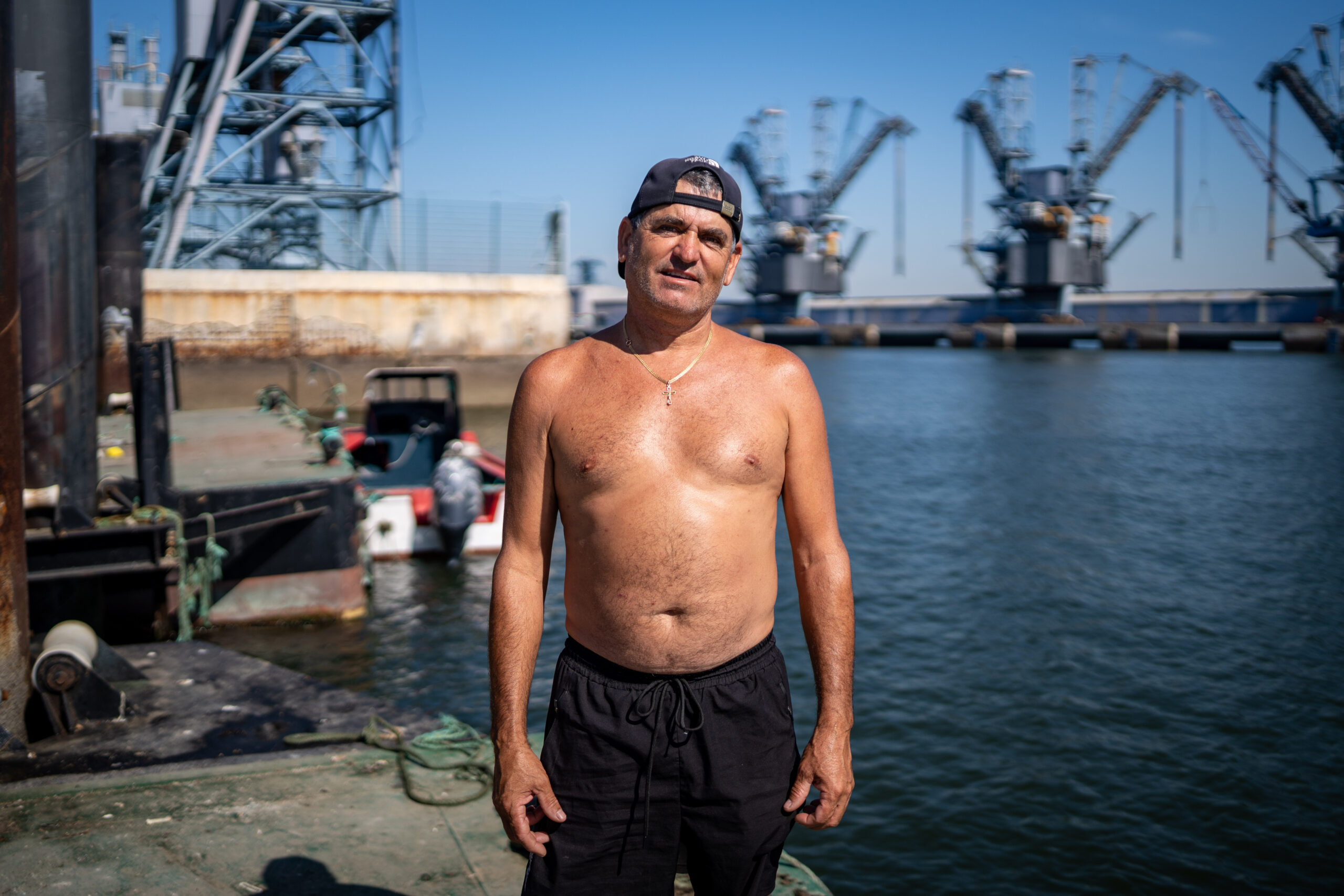
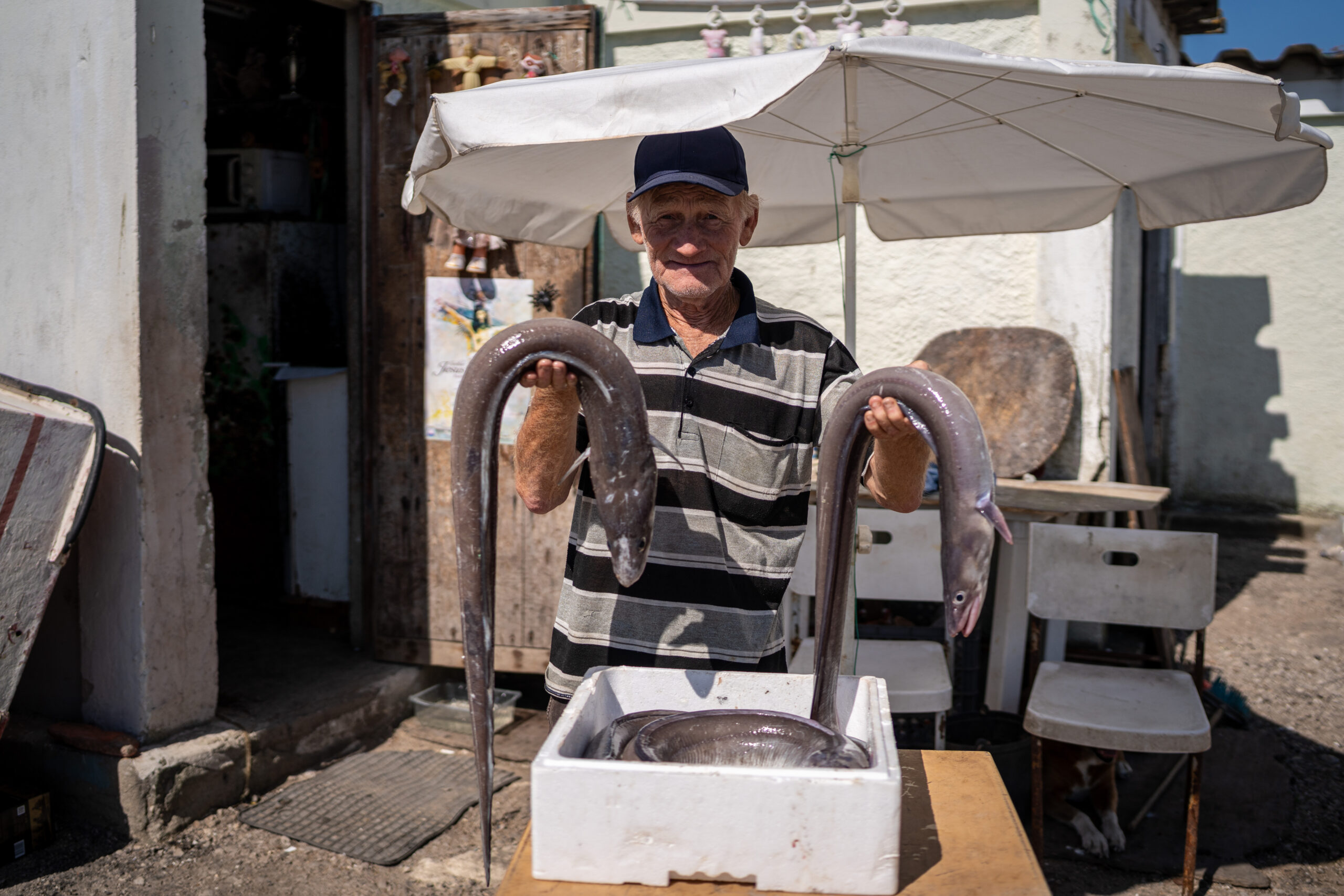
Long neglected by political decision-makers, according to residents interviewed for this story, and socially and economically challenged, Trafaria has relied on fishing for generations. Fishers have long known of the presence of seahorses in these waters – it is perhaps no surprise, then, that the species has become a local symbol. Among older generations, seahorses were even regarded as lucky charms, with some people keeping dried specimens in their wallets. Today, fishers feel a sense of responsibility towards the species: whenever a seahorse is caught in their nets, it is immediately returned to the river.
Recent scientific research has confirmed what the local community had known for decades - the presence of seahorses -, identifying two protected species in the estuary: Hippocampus hippocampus, the short-snouted seahorse, and Hippocampus guttulatus, the long-snouted seahorse.
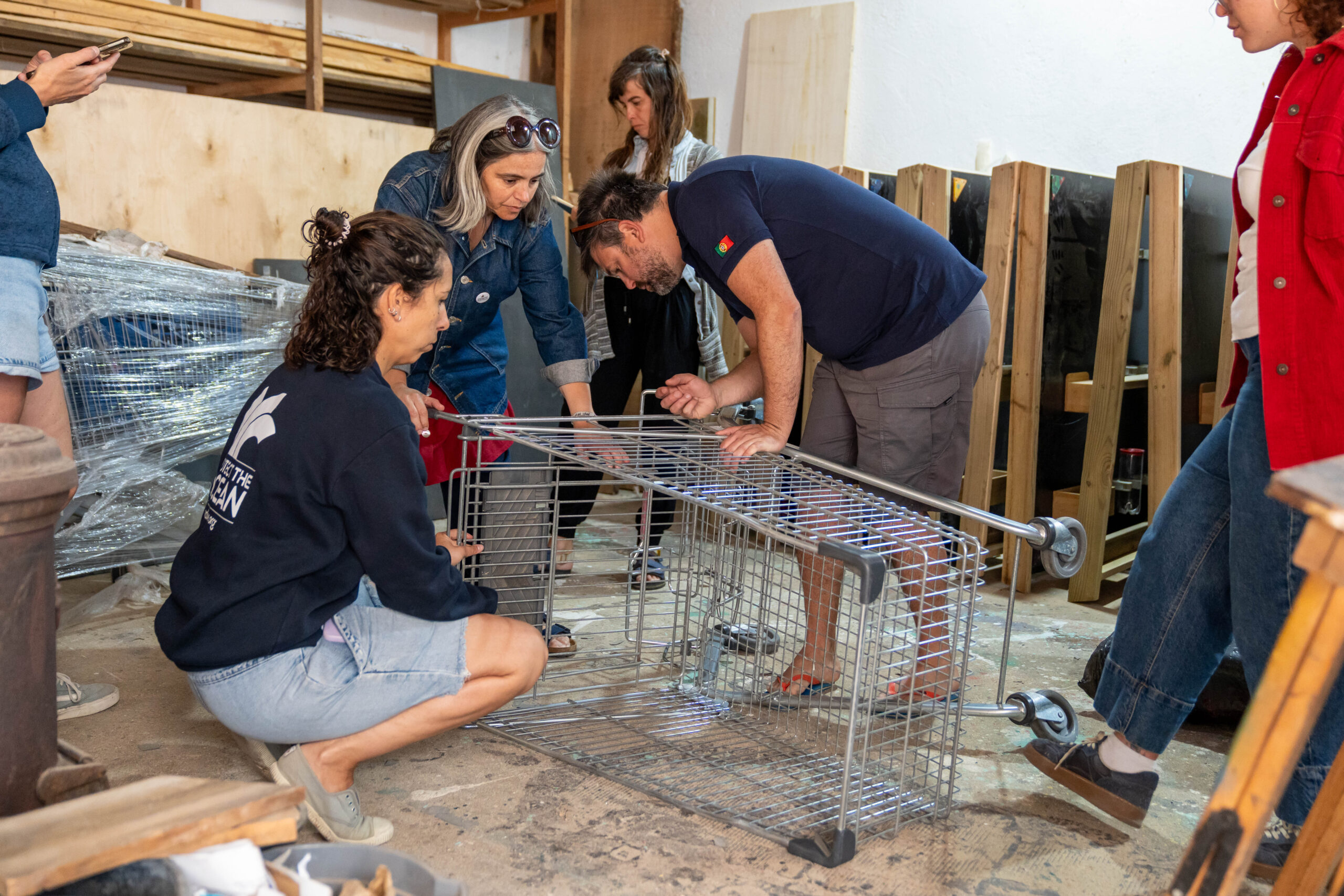
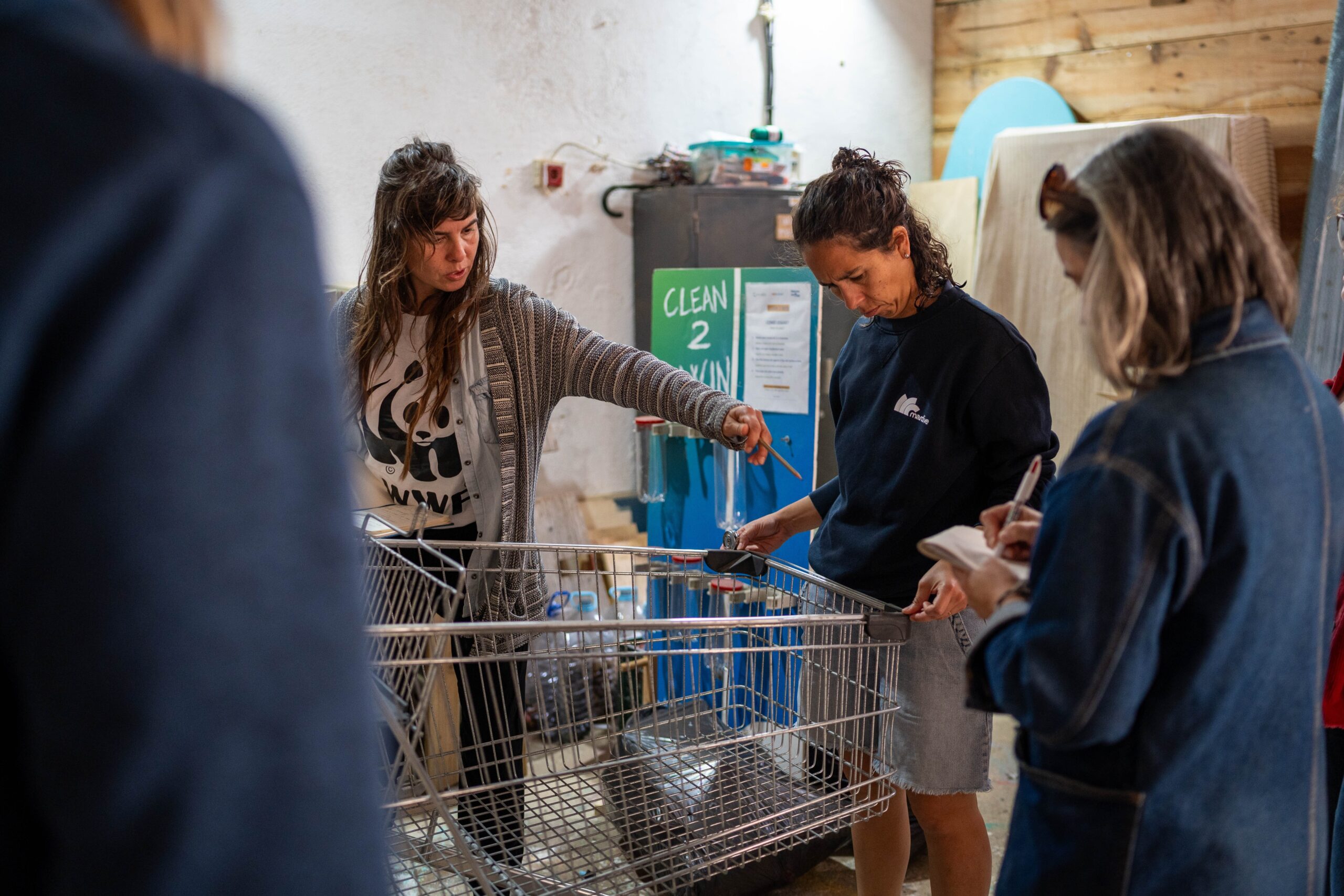
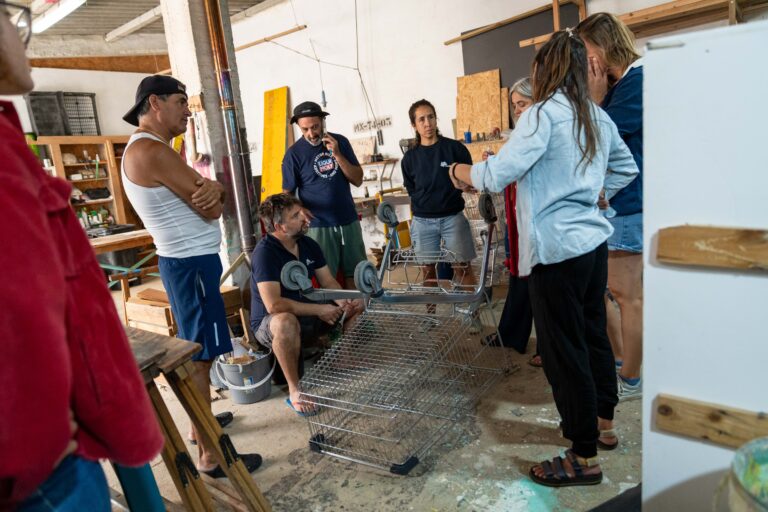
This population is particularly remarkable: its densities are among the highest recorded across the species’ range, and individuals here reach some of the largest average body sizes documented. At the same time, seagrass beds and natural shelter habitats are severely reduced, the area is littered with waste and seahorses use shopping trolleys abandoned on the riverbed as a substitute habitat.
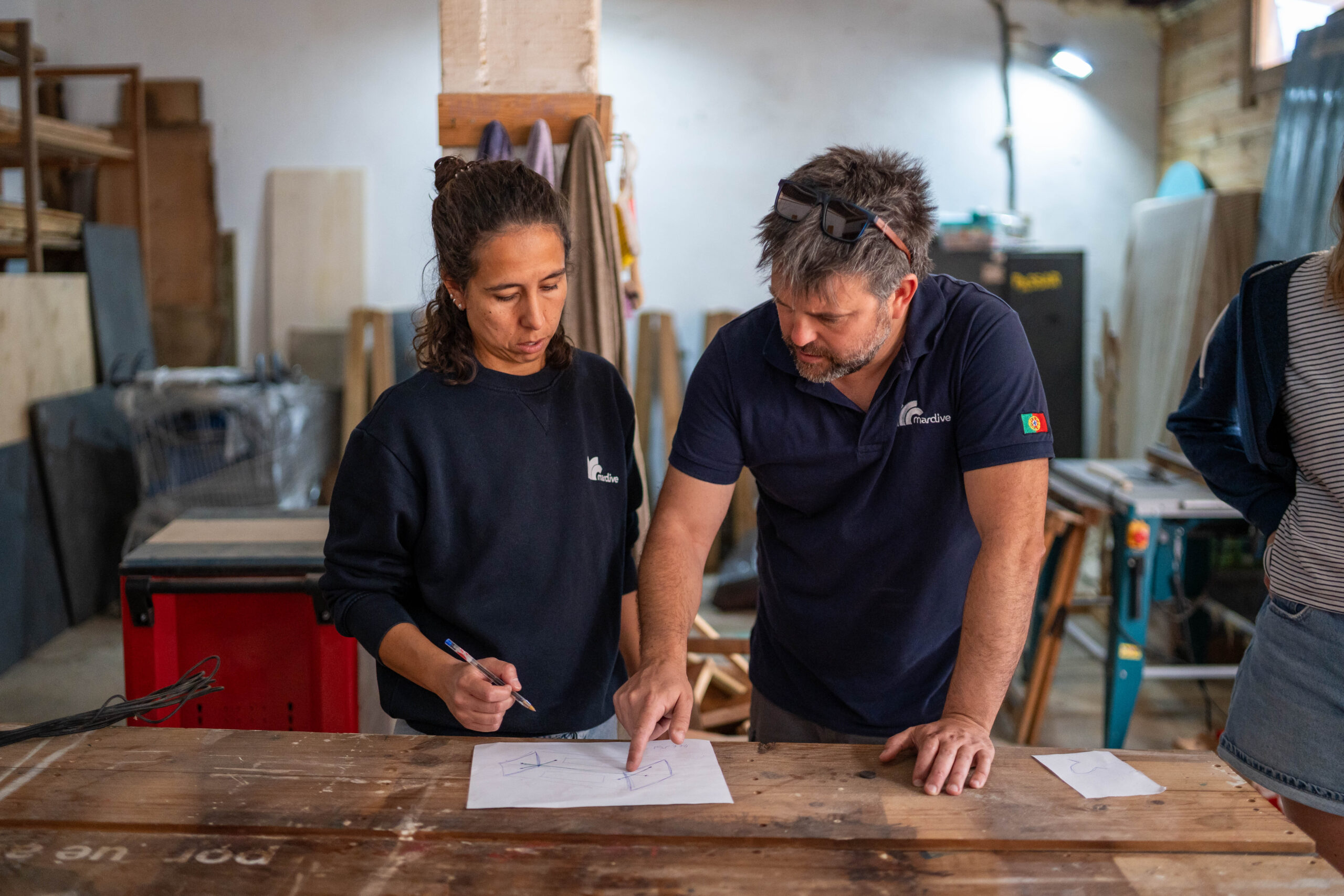
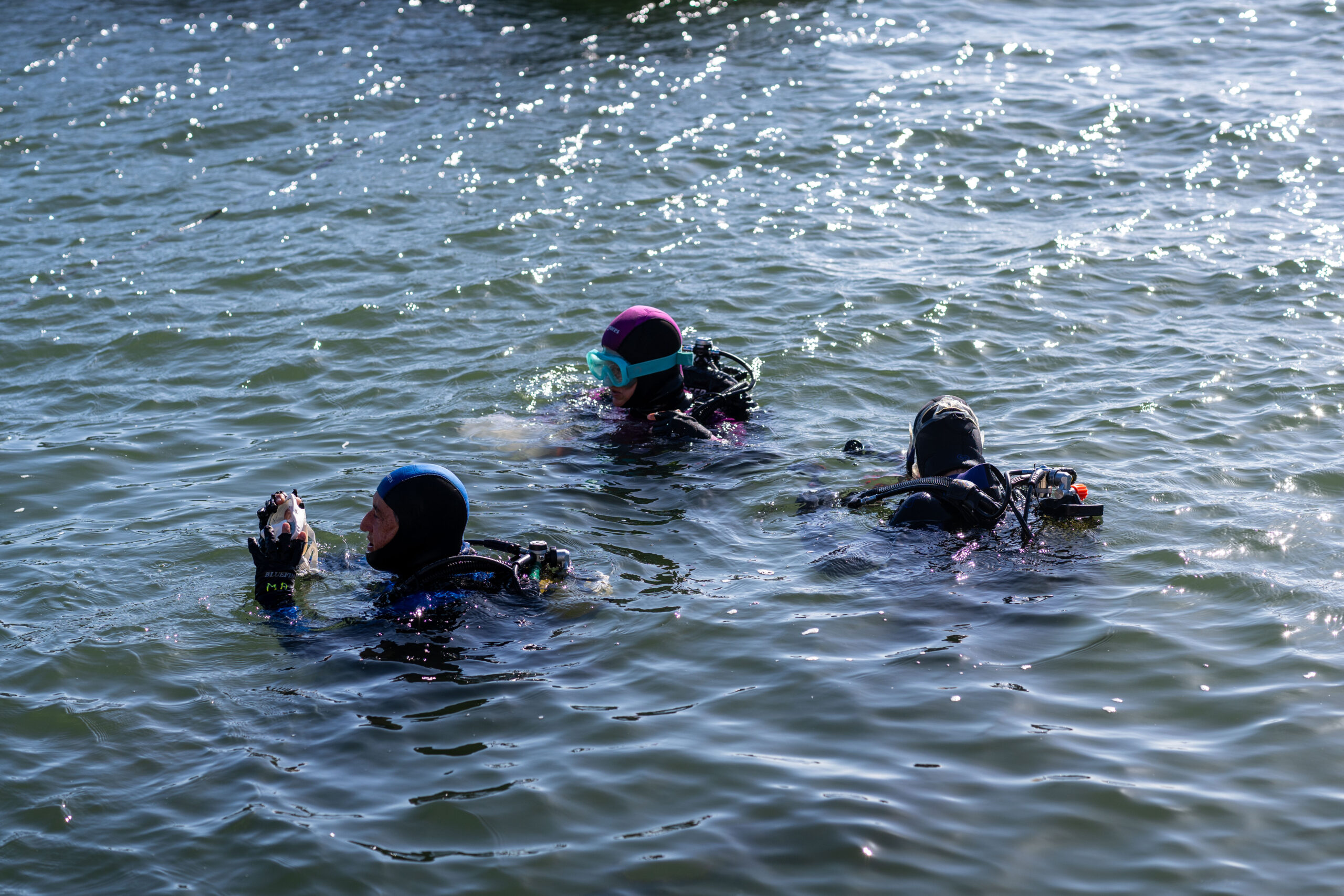
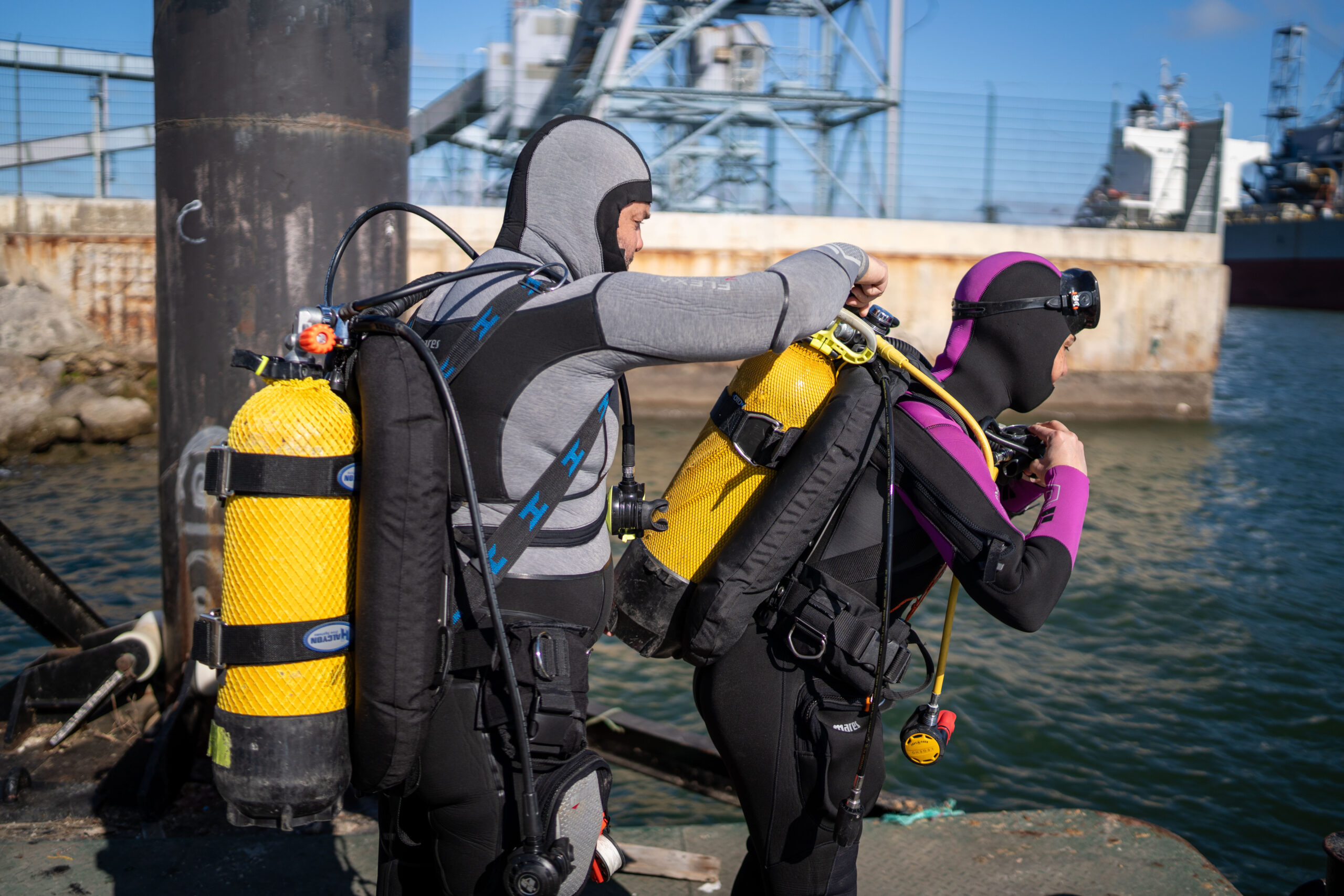
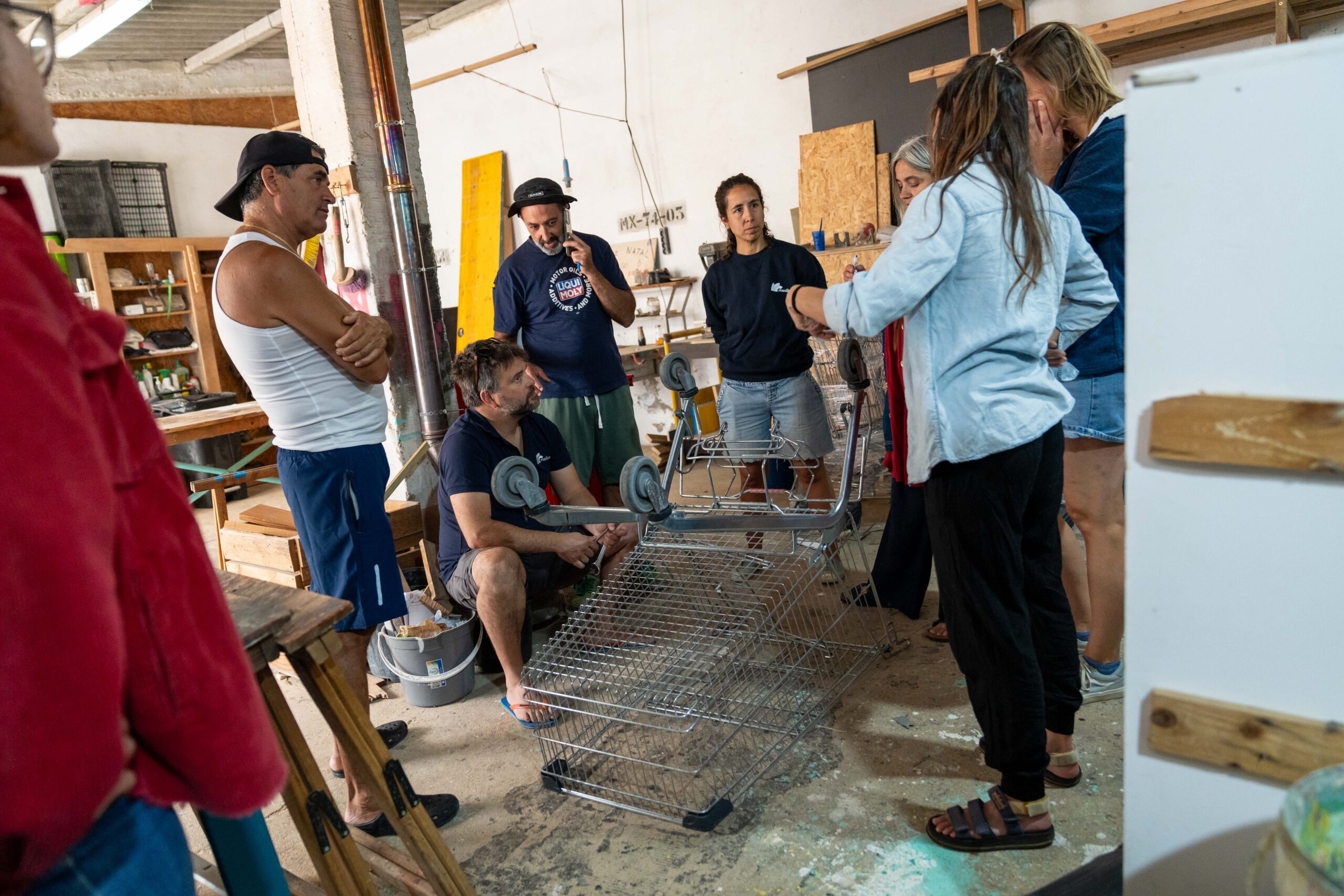
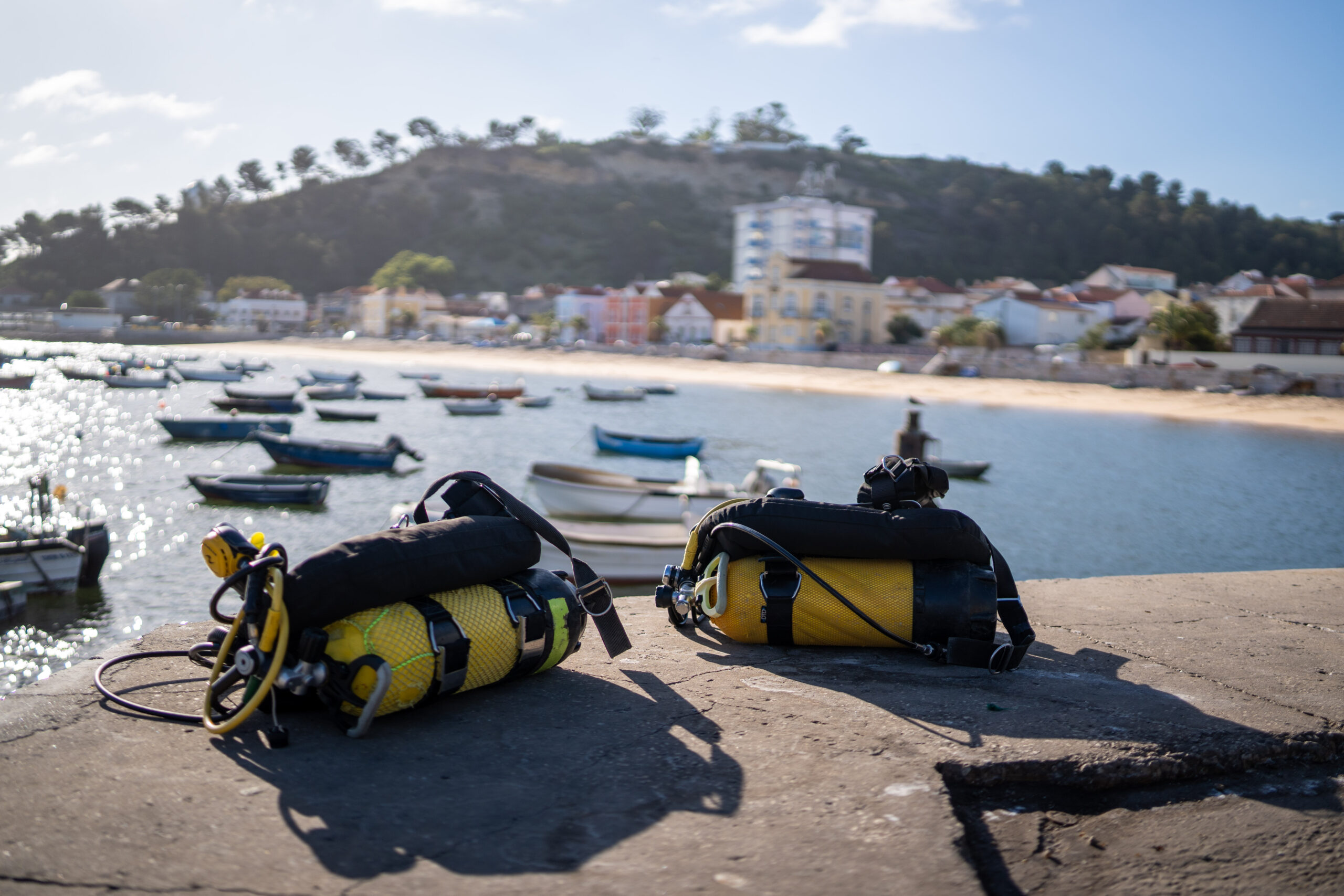
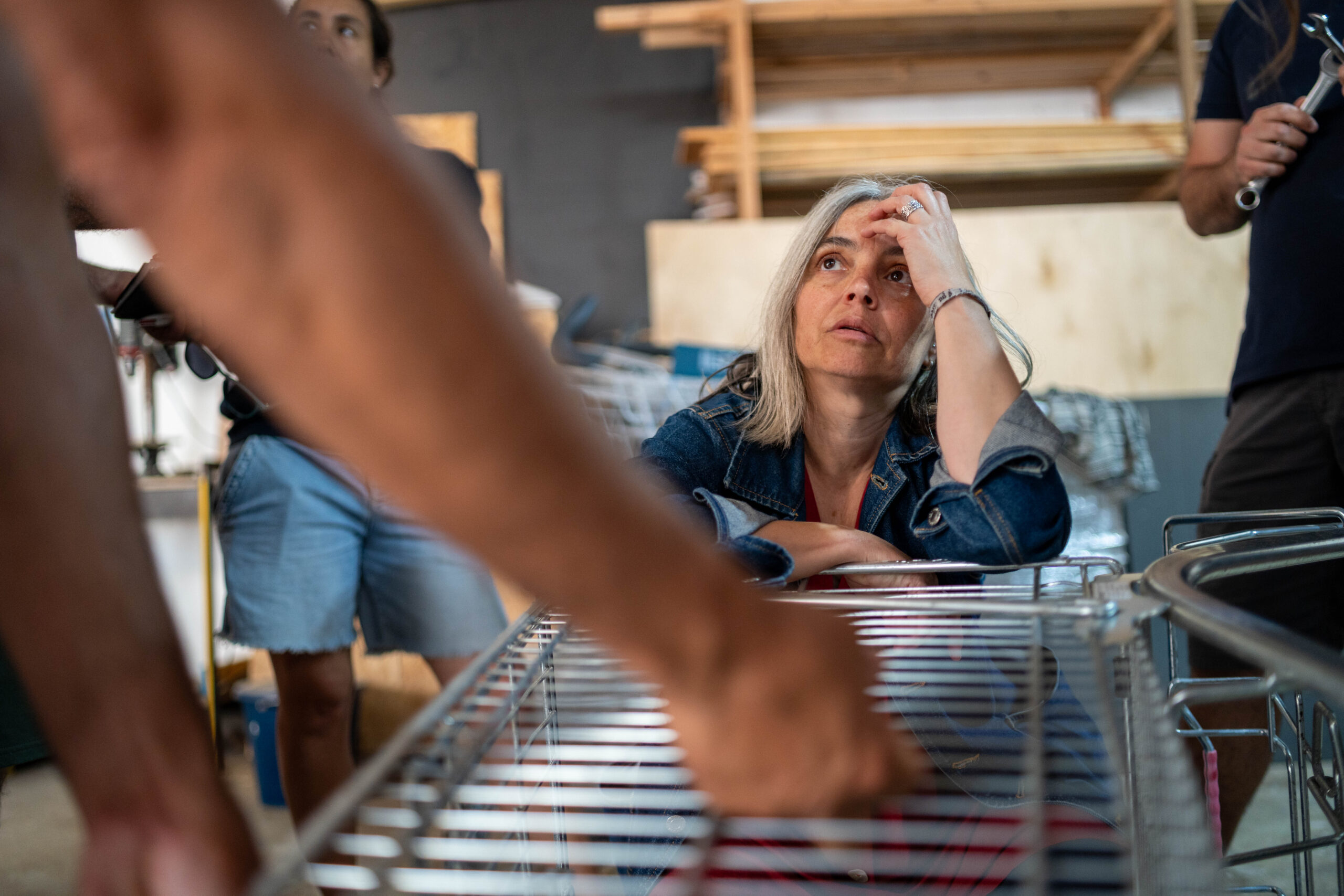
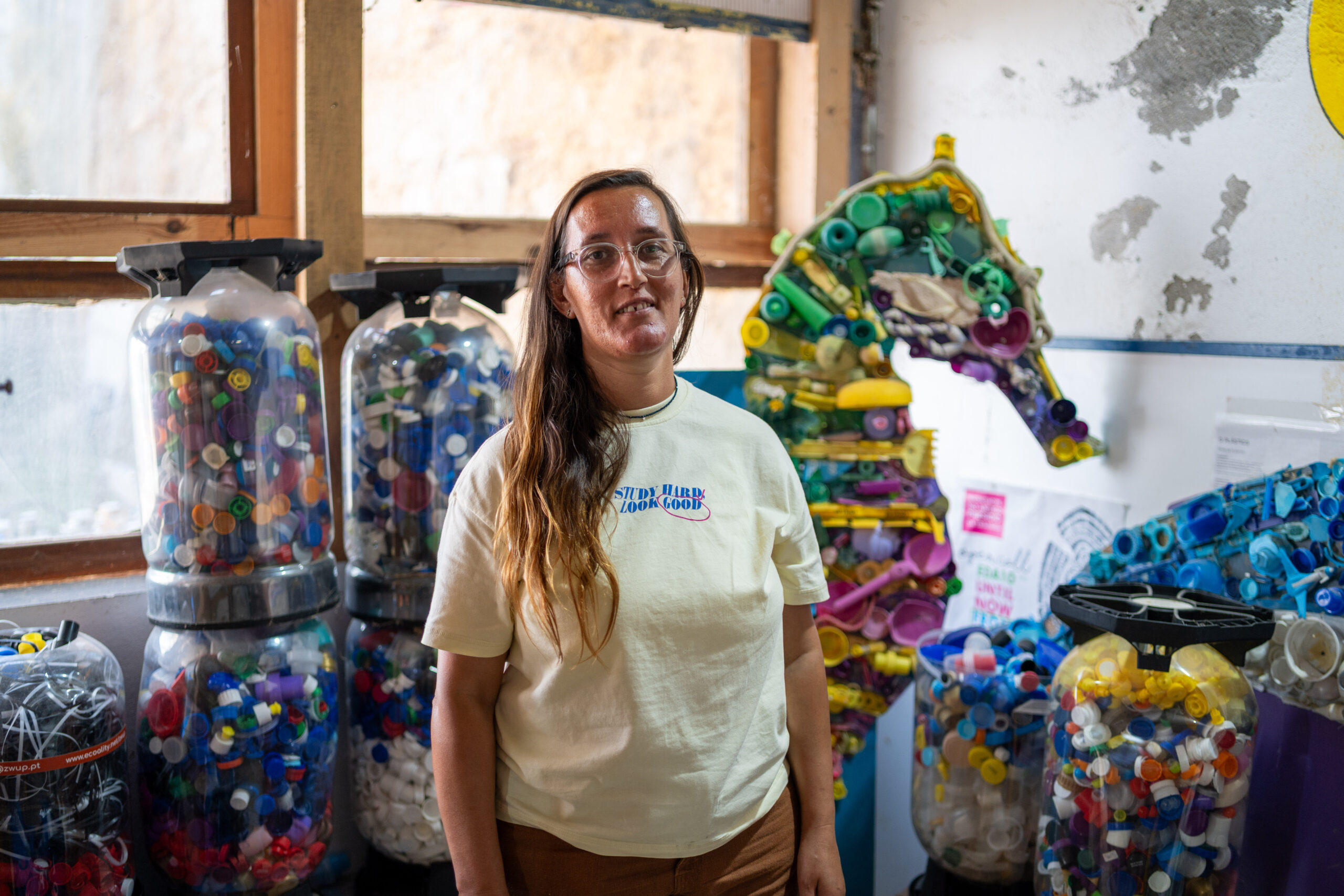
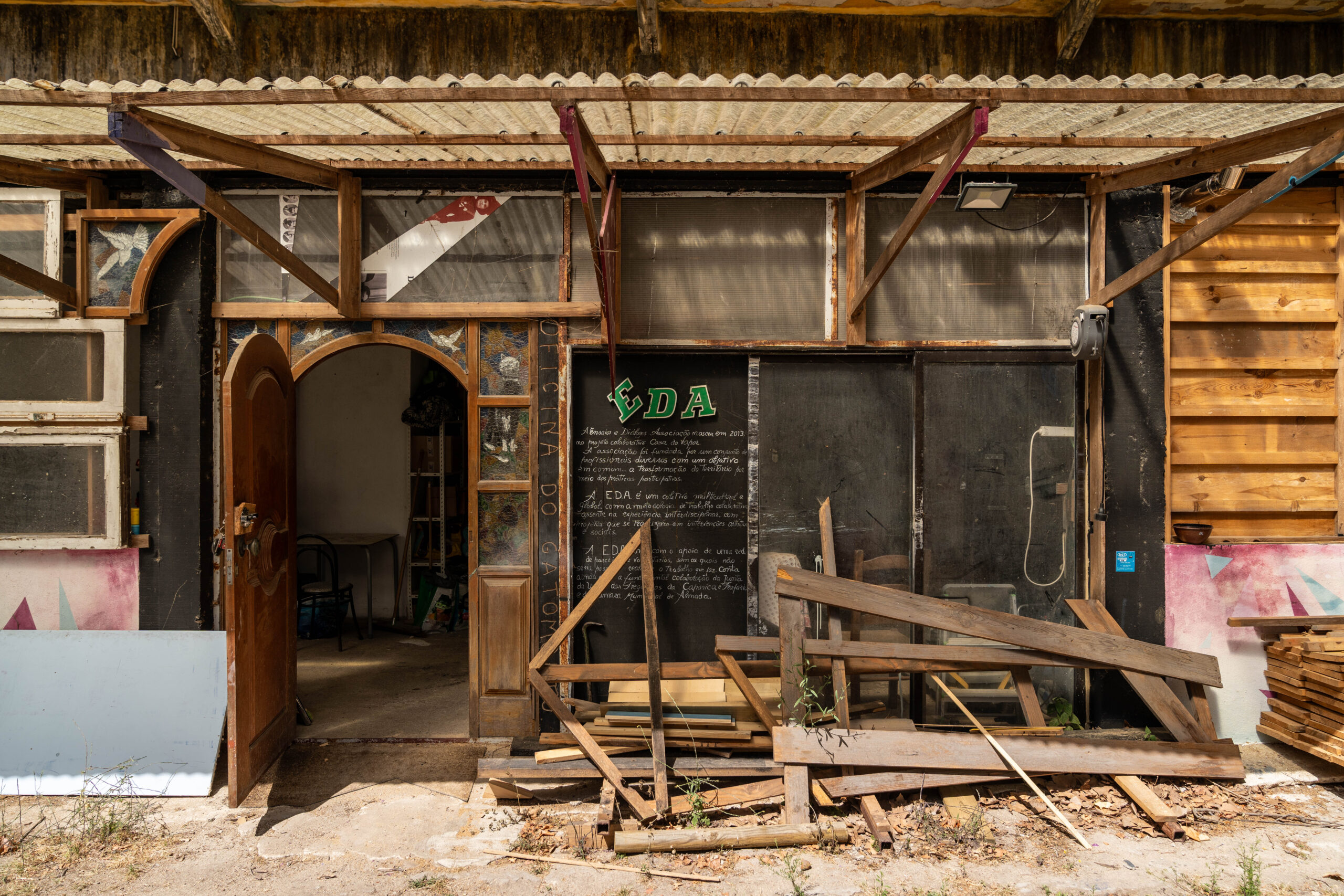
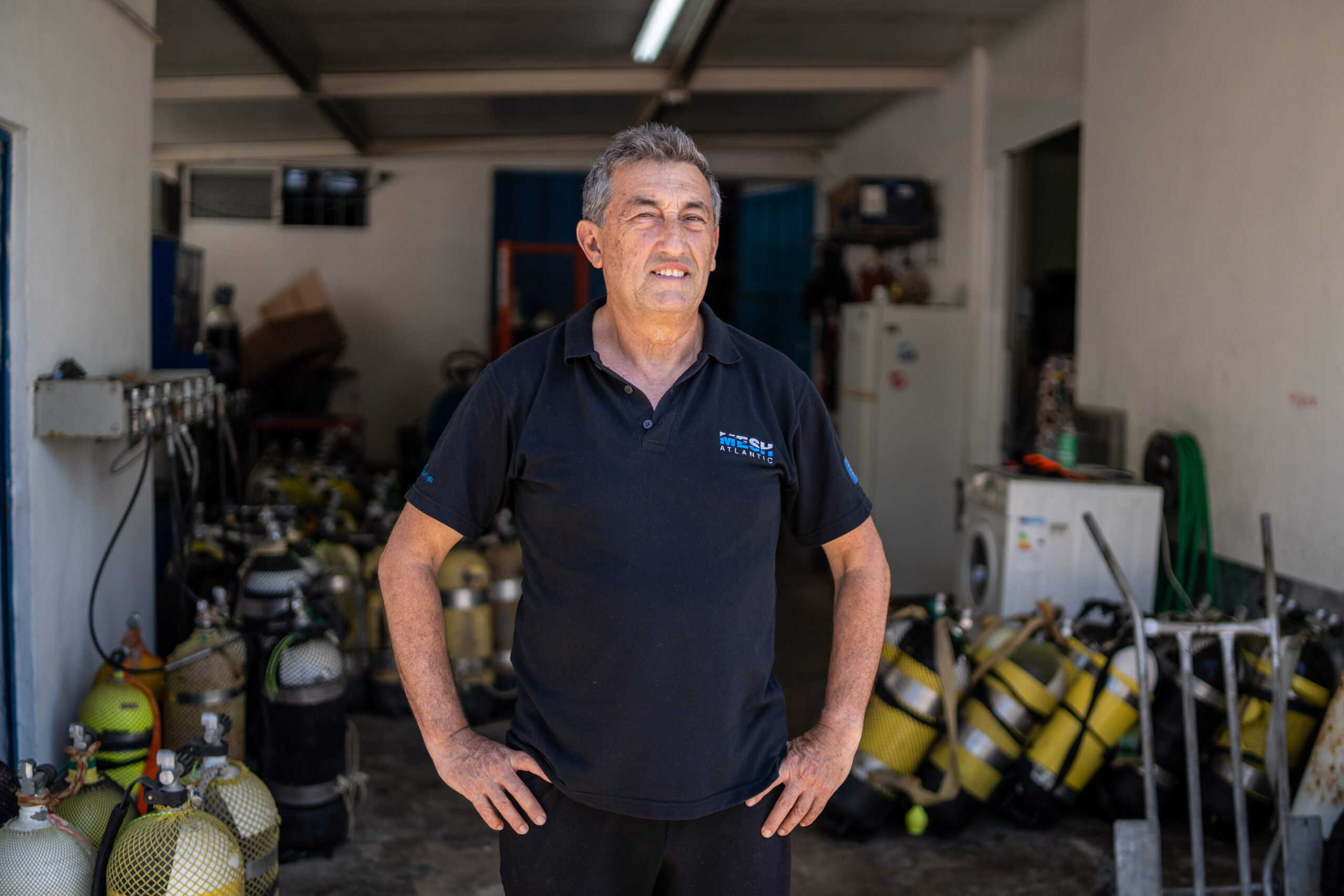
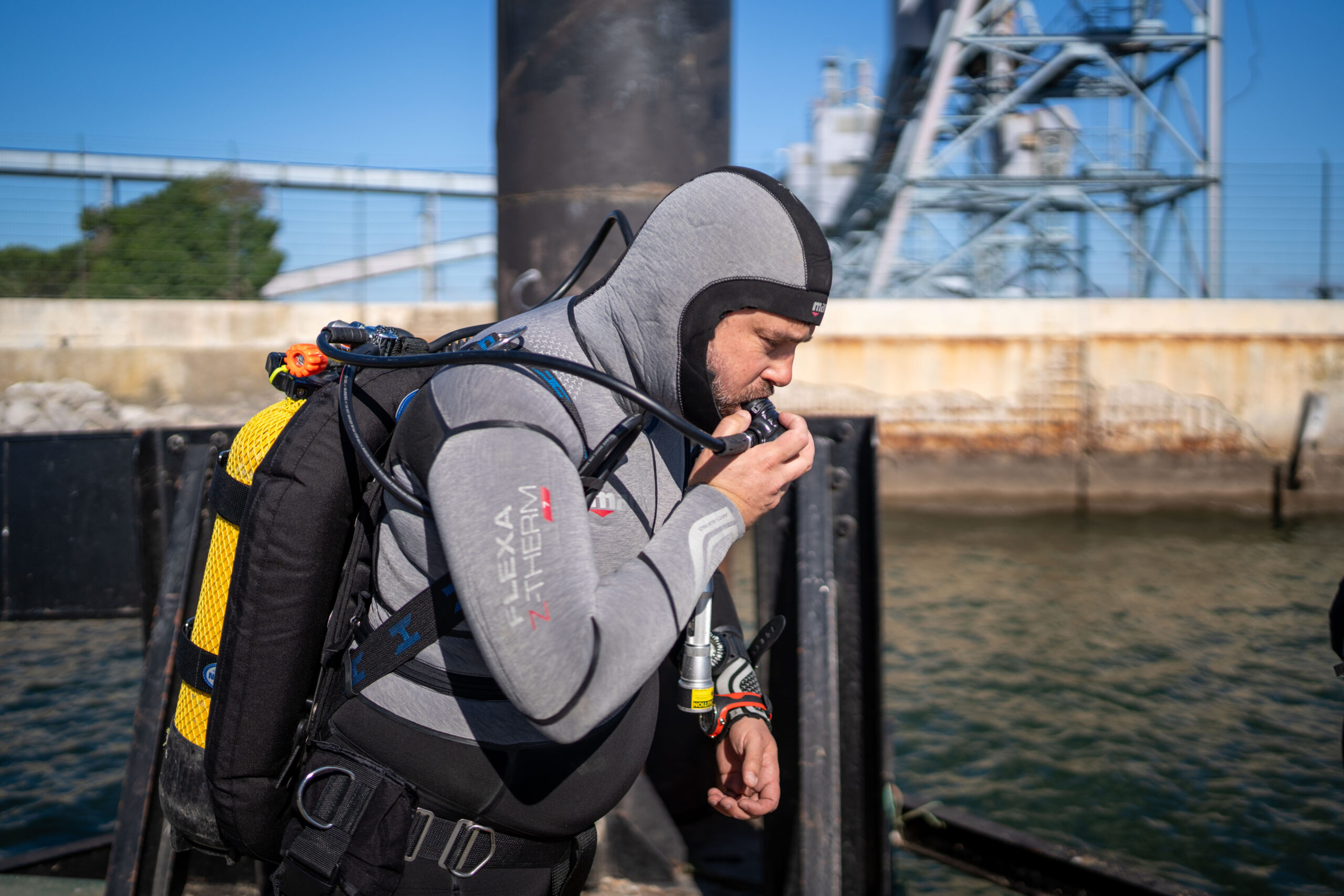
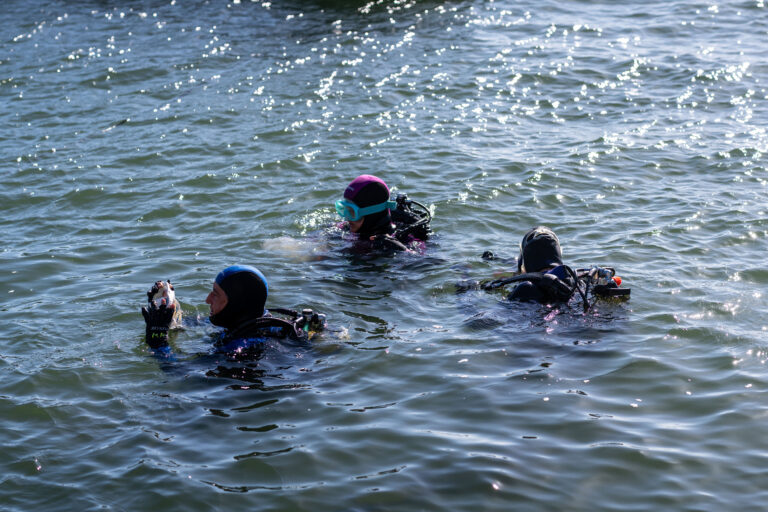
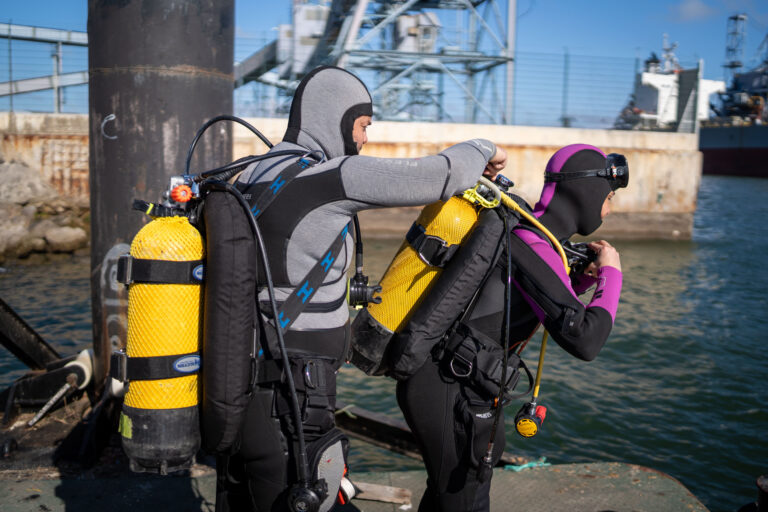
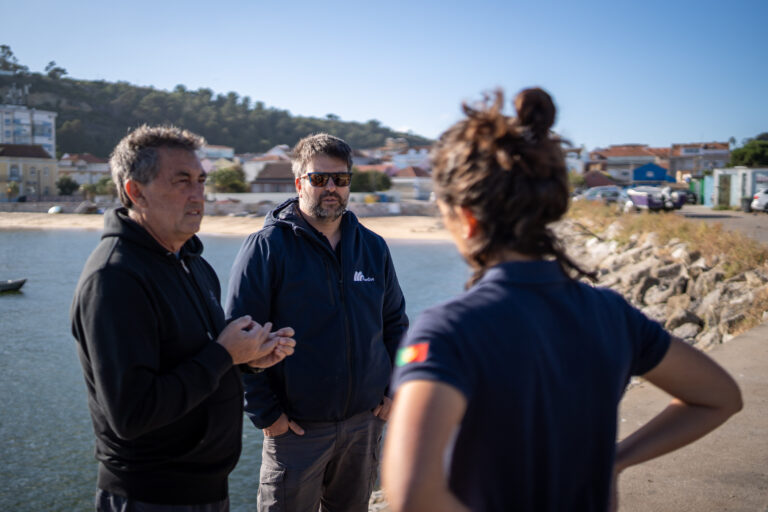
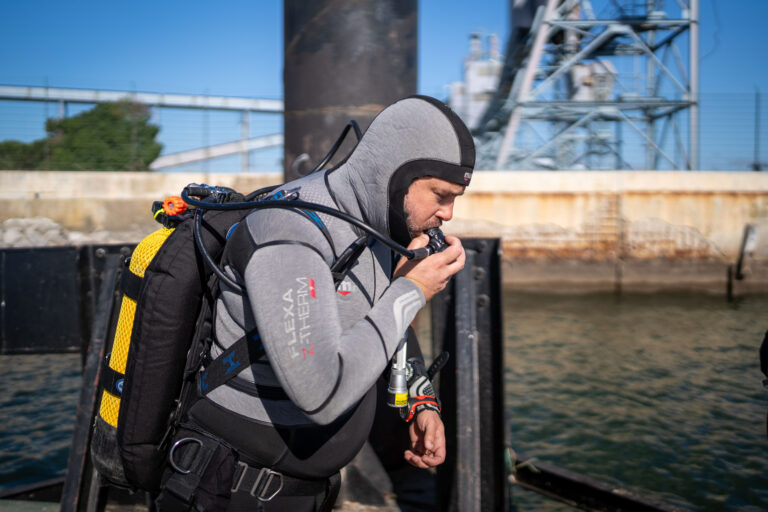
Launched in April 2026, this WWF Portugal project has two main objectives. The first is to recreate habitat through artificial refuge structures placed on the estuary floor. Designed by marine biologists and built in metal by the local community, these structures are being deployed by divers and will be closely monitored by the biologists to study the seahorses’ interaction with them.
Following this priority intervention, the second objective, to be implemented in a later phase of the project, is to remove the waste with minimal disturbance to the seahorse population, helping to restore the ecological conditions needed for this unique group to re-establish on natural substrates in the Tagus Estuary.

Tagus Estuary, Portugal
-
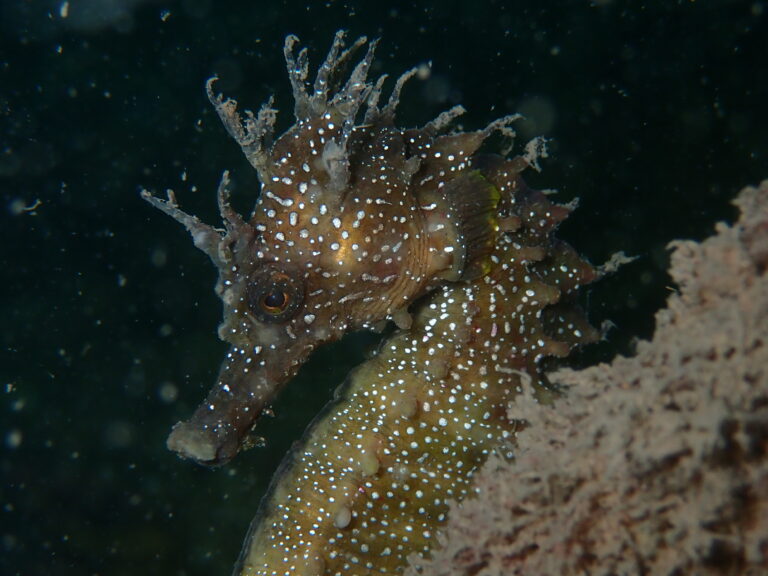
Short-snouted seahorse -
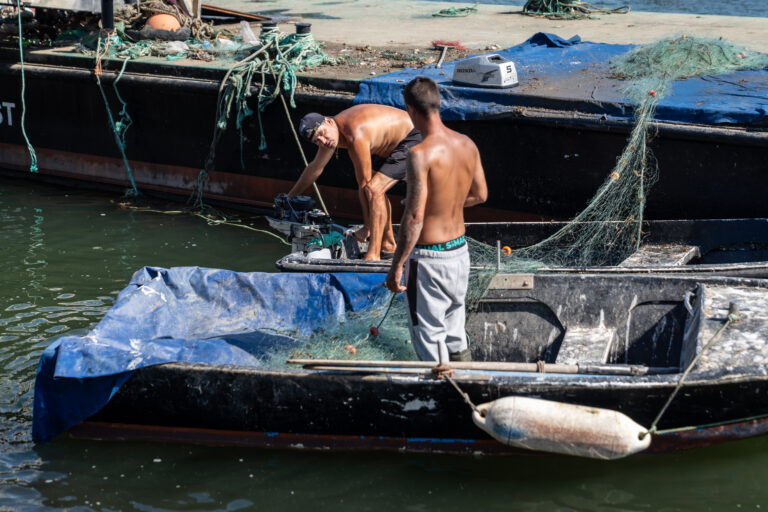
Local fishermen -
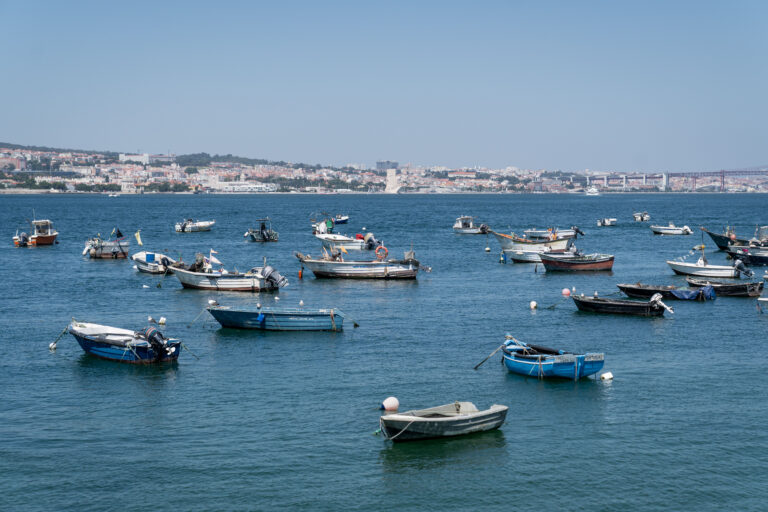
Trafaria -
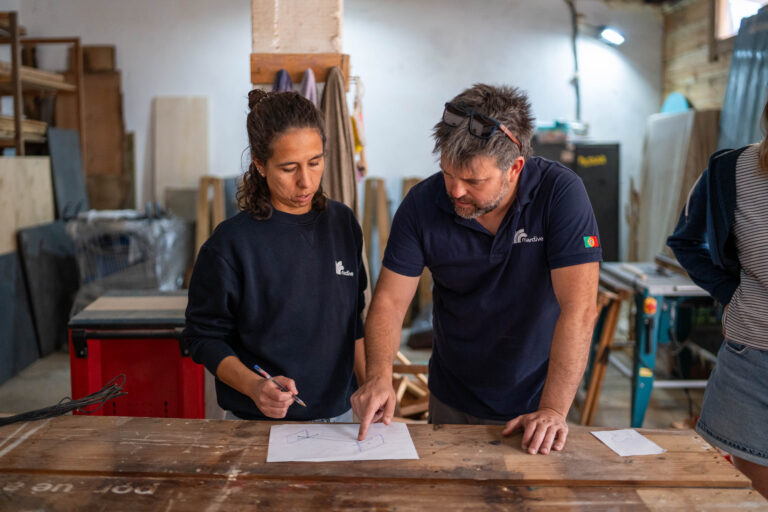
Conservationists -
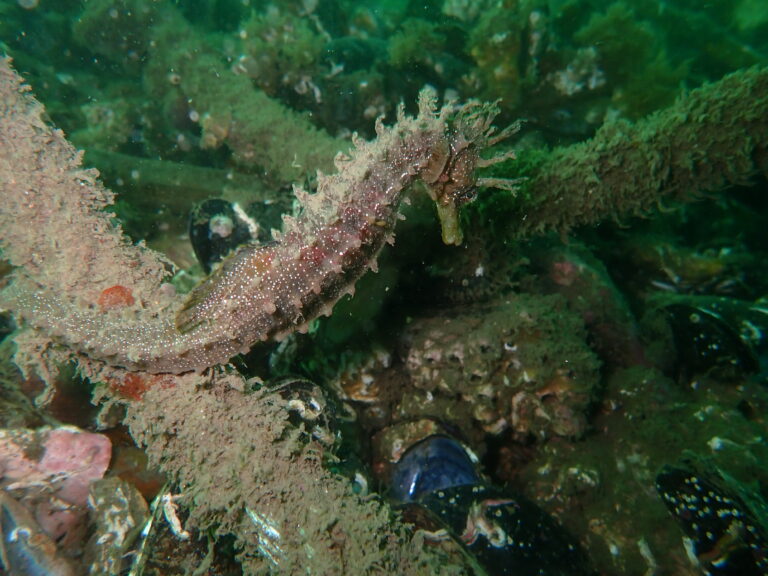
Seahorse -
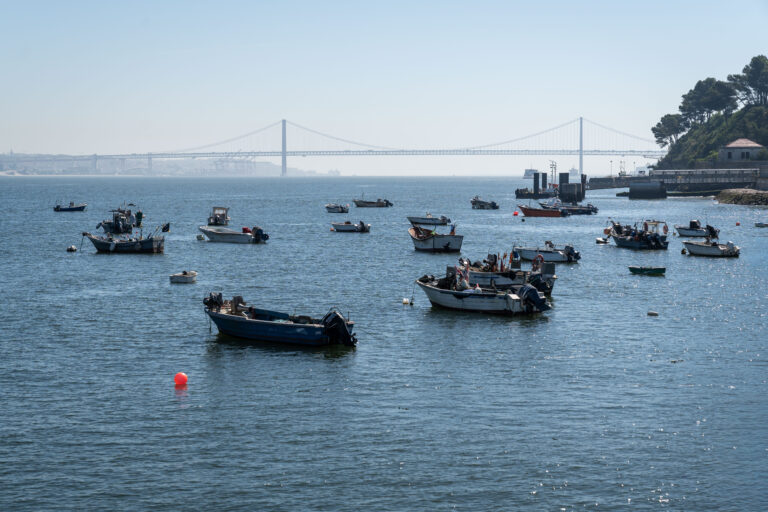
Trafaria -
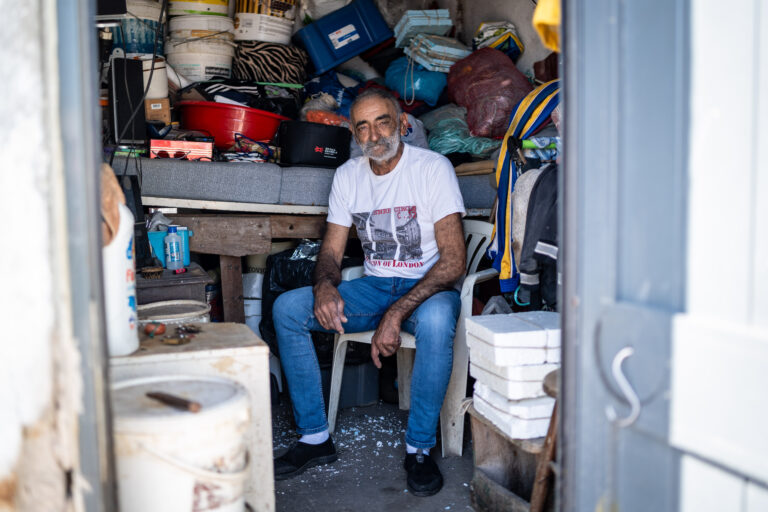
Local fisherman -
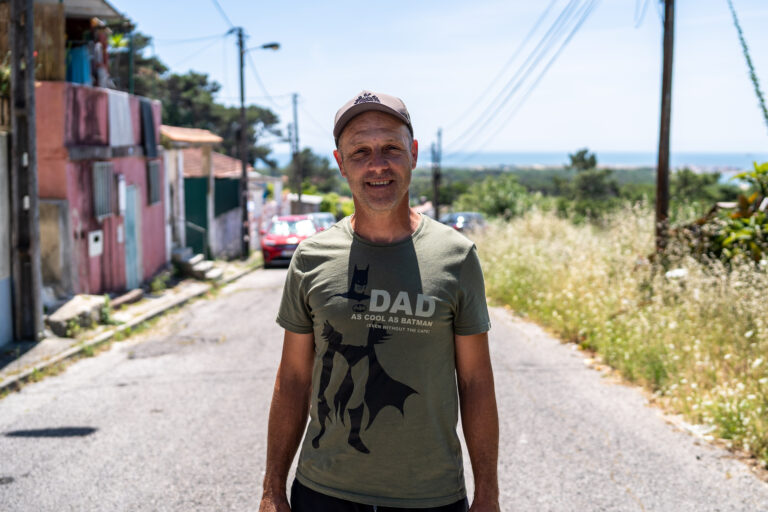
Memory of a different estuary -
A flagship species -
The MARDIVE team -
Seahorse shelter -
Tagus Estuary’s biodiversity -
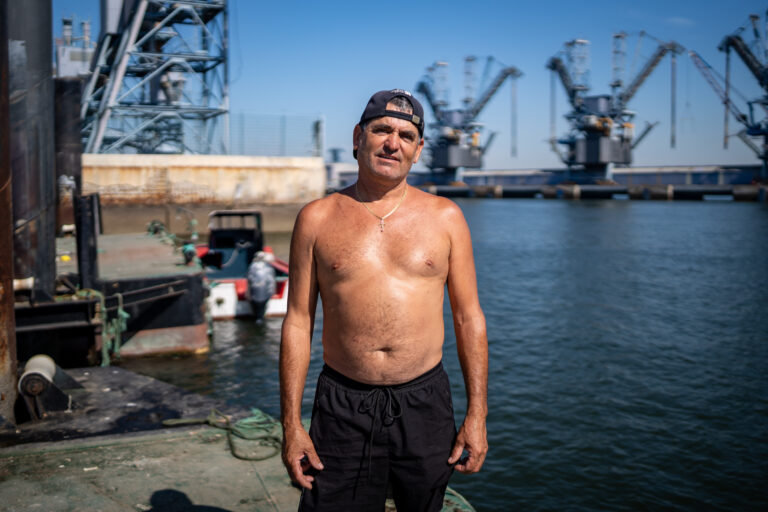
Local to the area -
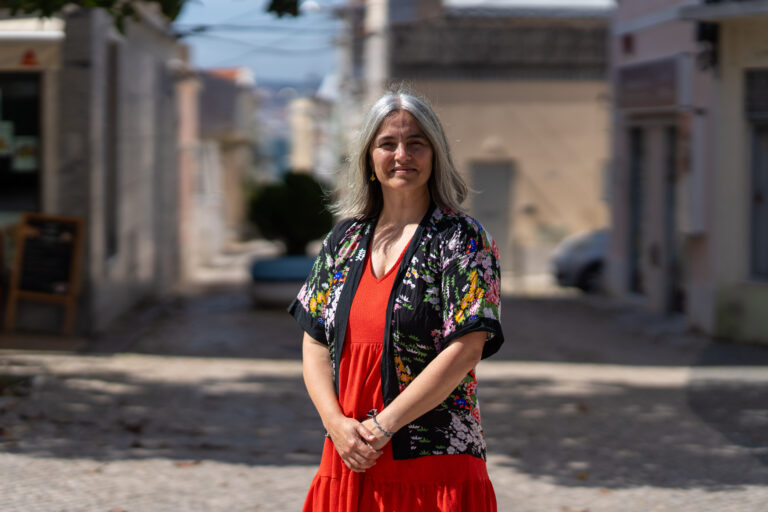
Rita Sá, Head of Oceans at WWF Portugal -
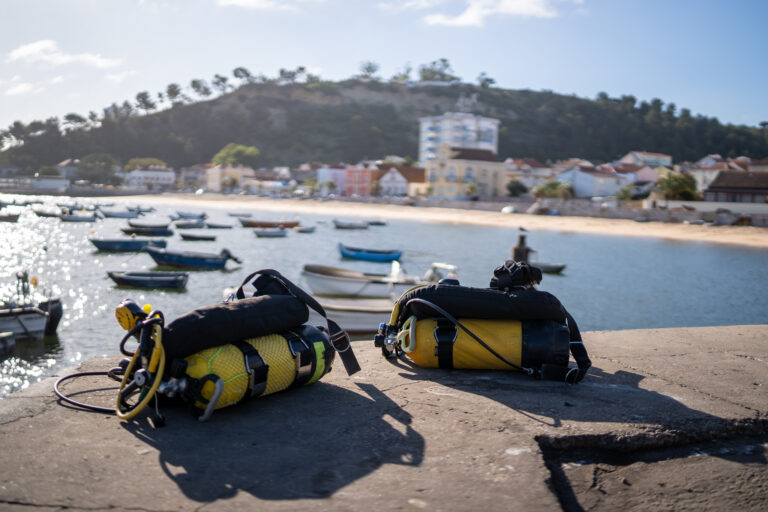
Densest known populations of seashorses -
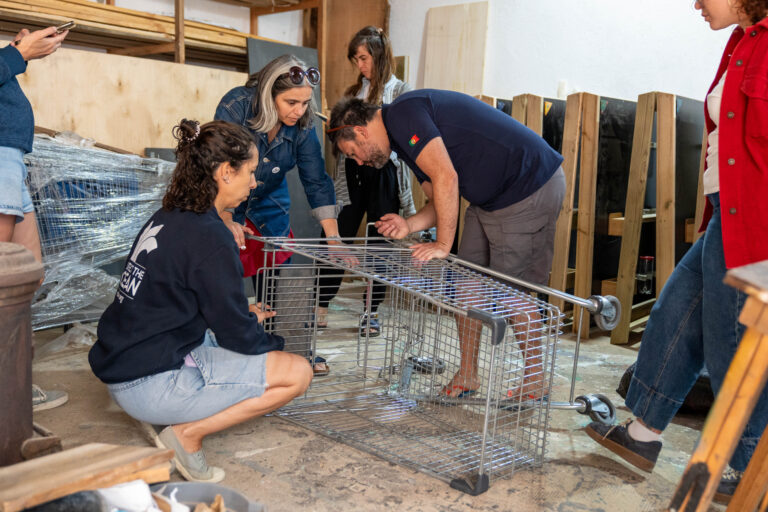
Seahorse shelter -
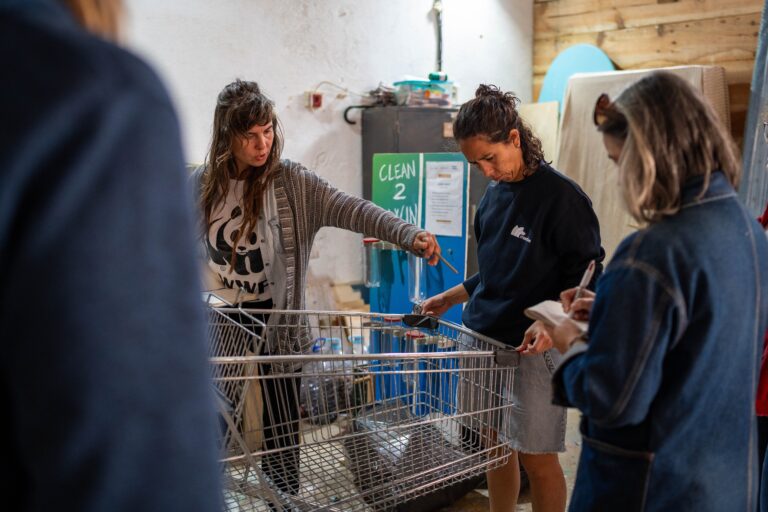
Seahorse shelter -
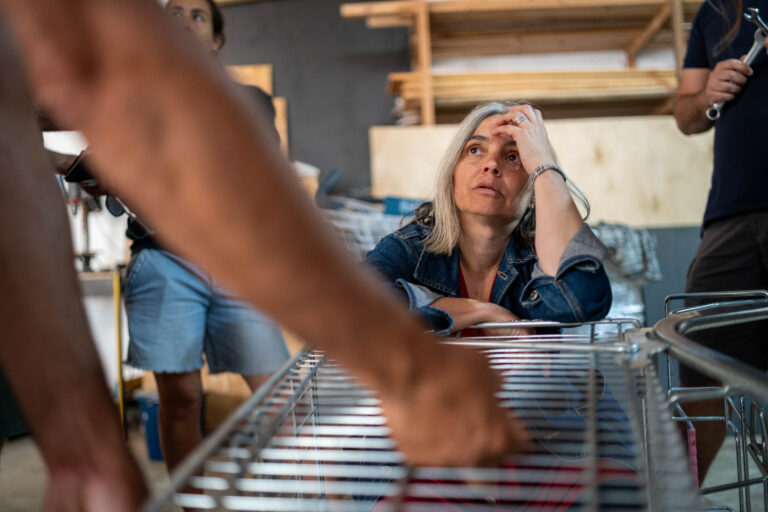
Seahorse shelter -
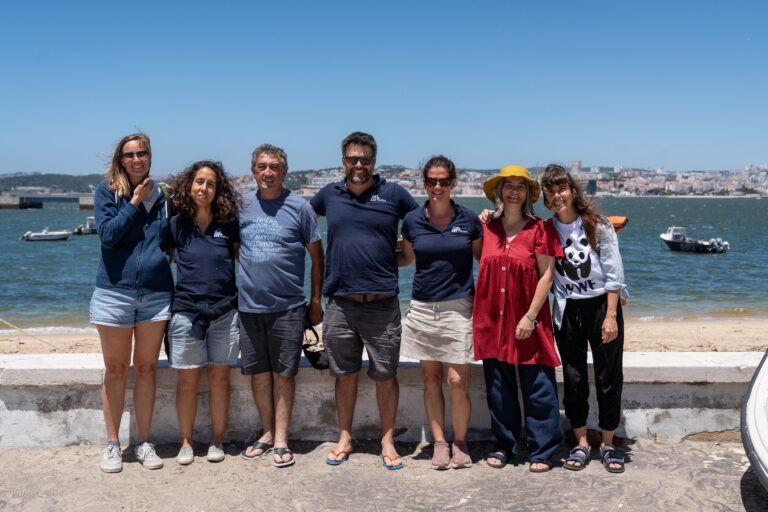
Conservationists -
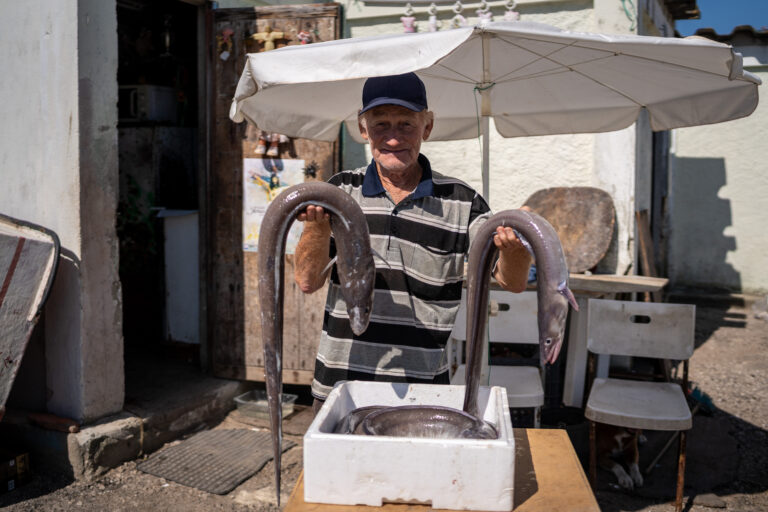
Local fisherman -
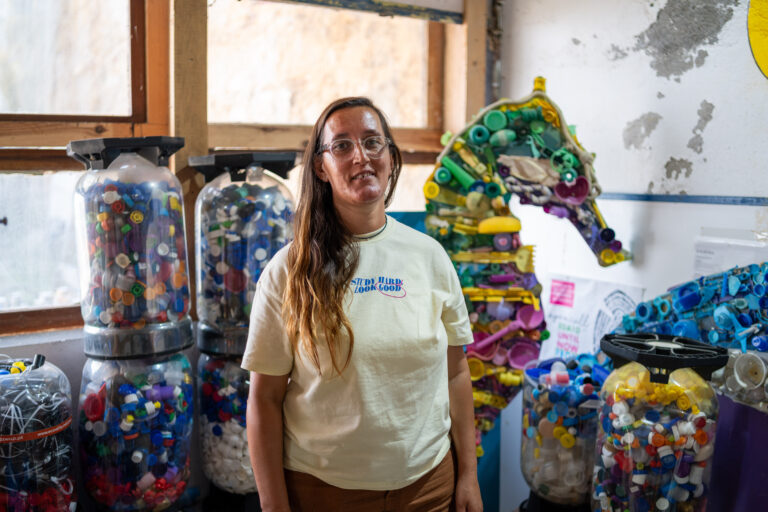
Marta Santos, daughter of a fisher -
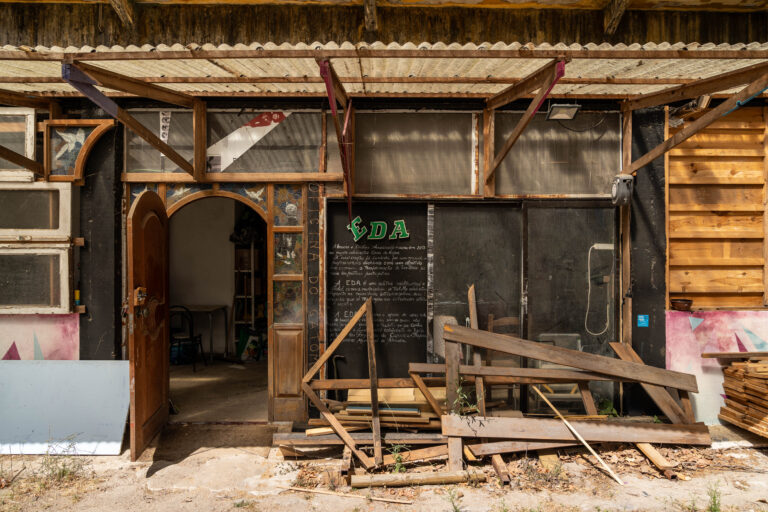
EDA Association -
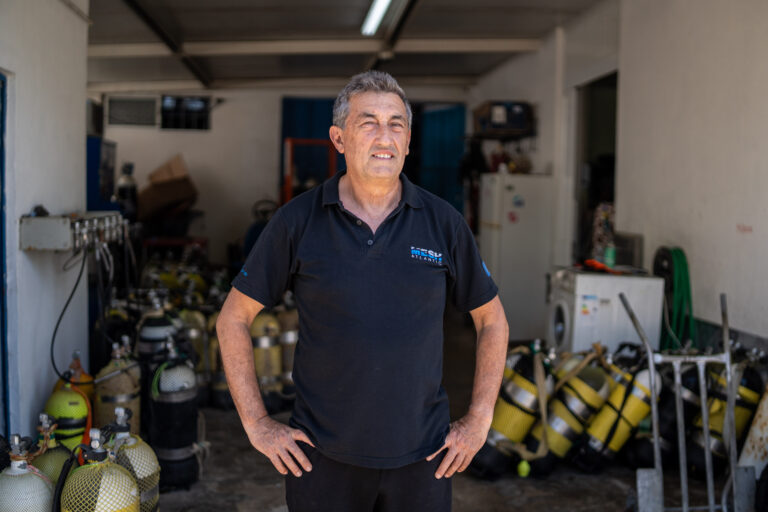
Mário Rolim, a diver -
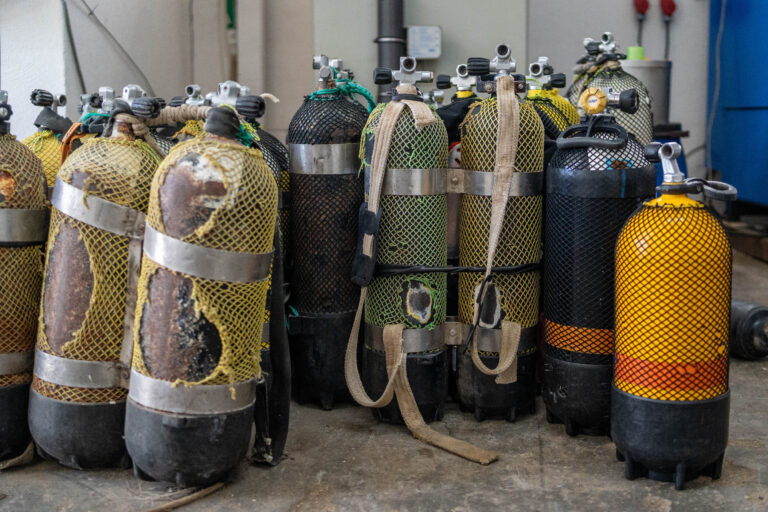
Armazém do Mário in Trafaria -
The community -
Marine biologists -
Divers